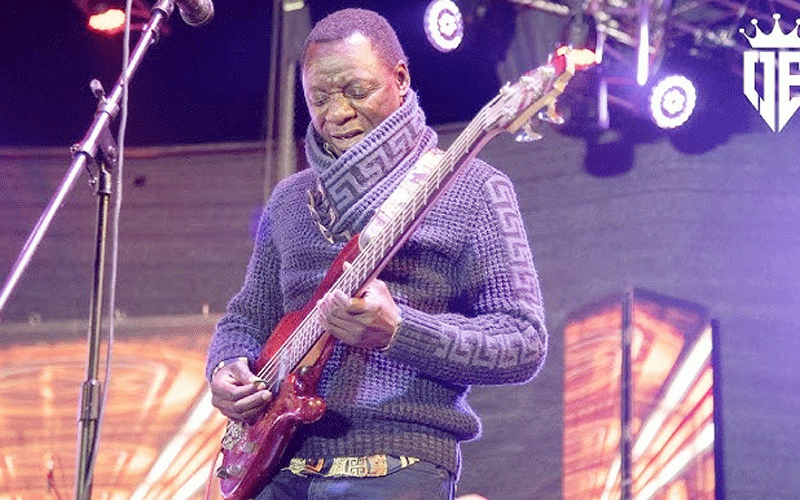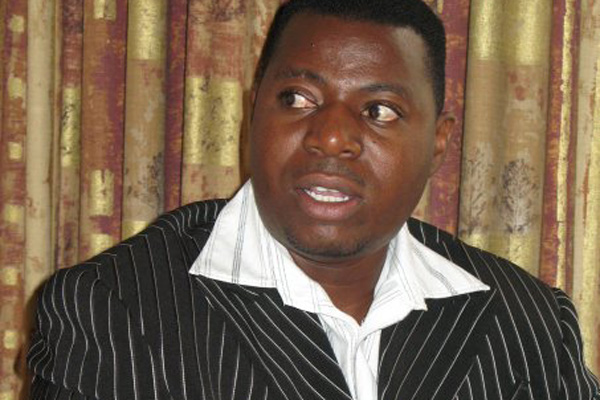
Perhaps if the late Tongai “Dhewa” Moyo was still alive, sungura could today have been richer.
TRIBUTE TO DHEWA BY TAPIWA ZIVIRA
He was too eccentric to ignore.
Here was a musician whose entry into the music scene was met with hostility and disdain.
He was labelled a copycat of the late sungura godfather Leonard Dembo because his vocals and instrumentation pulsated in the same rhythm as that of Dembo.

Dhewa was not alone; Masvingo Stars also sounded like Dembo.
To add to Moyo’s woes, the 1990s was still the golden age of sungura — a period when musicians like Simon Chimbetu and Orchestra Dendera Kings, Leonard Zhakata, John Chibadura’s Tembo Brothers, Tadeous Muchapedza Matsitso’s Ngwenya Brothers, Pengaudzoke, Khiama Boys, and System Tazvida of the Chazezesa Challengers, among many others, were scrambling for their share of the market.
- Chamisa under fire over US$120K donation
- Mavhunga puts DeMbare into Chibuku quarterfinals
- Pension funds bet on Cabora Bassa oilfields
- Councils defy govt fire tender directive
Keep Reading
A few years after Dhewa’s entry, Alick Macheso broke off from the Khiama Boys to start Orchestra Mberikwazvo.
Tongai and Alick both remained overshadowed by the main sungura rivals of the late 1990s — Chimbetu and Zhakata — who were both at the crest of their music careers.
For Zhakata, the end began with Mubikira, a fine 2001 album that was seen as a direct attack on President Robert Mugabe’s repressive government.
Ironically, Chimbetu suffered the same fate a year later when he released Hoko, which was seen in opposition circles as an endorsement of the Mugabe regime.
This was a period when polarisation in the political landscape was becoming more pronounced and, while they remained popular, Chimbetu and Zhakata were no longer the biggest crowd pullers.
This appeared to have spelt good fortunes for Macheso and Moyo.
Macheso’s career peaked in 2001 with the production of the album Zvakanaka Zvakadaro and Dhewa — who over the years had carved his own niche of sungura music — rose a year later with the release of Samanyemba.
A serious rivalry between Cheso Power and Dhewa was born.
They both introduced chanters and elements of rhumba into their sungura.
All was well until Dhewa’s death in 2011. Sungura music appeared to have died too.
Macheso seemed to have failed to maintain his standards after releasing the half-baked and largely ignored Kwatakabva Mitunhu.
Did the Macheso — Dhewa rivalry keep sungura music thriving?
As sungura fans still grapple to identify what hit their favourite music genre, some pointed to the currently popular Zimdancehall as the reason.
But history shows sungura had previously remained formidable against a host of other fringe music genres that came up.
We all remember the Bhundu Boys days, the gospel music revolution of Baba Mechanic Manyeruke, or the pantsula era. At some point, reggae was a hit. Solomon Skuza, Thomas Mapfumo, Assegai Crew, John Chibadura and others played it. Yet, sungura thrived.
On further scrutiny, it must be noted that sungura had always thrived due to its huge fan base in farming communities.
In the 2000s, dynamics changed after the land reform programme led to the displacement and retrenchment of thousands of farm workers.
A solution was needed and as luck had it, Dhewa was one of the musicians to add to what Chimbetu and Zhakata had done to urbanise sungura. Using his concept of smartness, or Vakomana Vemucheno, he did away with deep-seated stereotypes that sungura was for the rural and farm folk and that the musicians wore funny outfits and came to shows dirty and dressed in shabby clothes. While Macheso had a huge appeal to the urban, or “salad” folk, he remained behind Dhewa as he was not very good when it came to branding himself. Perhaps when he died, Dhewa carried with him the brand of sungura he had created, and no one was to match it; not even his son, Peter, or the untalented First Farai.