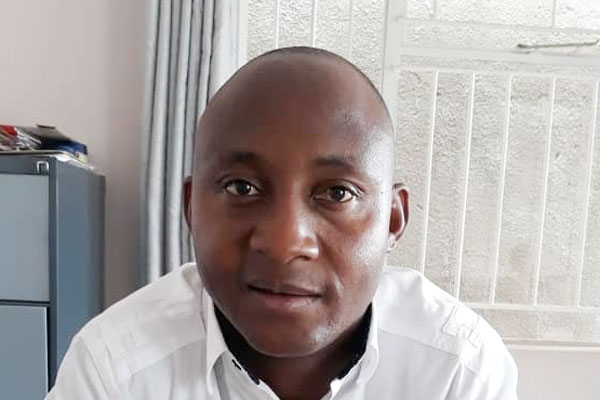
health talk:with Dr Johannes Marisa
Dyspnea, or shortness of breath, is often described as an intense tightening in the chest, air hunger, difficulty breathing, breathlessness or a feeling of exhaustion. Shortness of breath is one of the most feared symptoms today as Covid-19 continues to tear the world apart with close to 400 000 deaths as of Friday. Covid-19 infection has manifested with illness severity that ranges from mild to critical. There are many symptoms which can come with the infection and these can include hot body, muscle aches, sore throat, loss of appetite, abdominal pains, or cramps. The illness is graded as mild to moderate, severe and critical depending on the presentation. Therefore, the following are the average proportions of clinical manifestations:
Mild to moderate: Mild symptoms up to mild pneumonia — 81%.
Severe: Shortness of breath, hypoxia or >50% lung involvement on imaging — 14%.
Critical: Respiratory failure, shock or multi-organ system dysfunction — 5%.
Among patients who develop severe disease, the medium time to dyspnea ranges from five to eight days, the median time to acute respiratory distress syndrome is from eight to 12 days. Because Covid-19 is a respiratory disease, the most feared sign is dyspnea. Cough and fever appear at the onset with shortness of breath appearing a few days later. The presence of laboured breathing has become a defining symptom in Covid-19 infection and this has sent shivers across medical staff, especially in resource-limited clinical settings. So many patients have been turned away from many medical centres merely because of shortness of breath even without an attempt to take thorough medical history. This is threatening to worsen the predicament of patients with conditions that have all along been presenting with shortness of breath.
What other conditions present with shortness of breath?
Most cases of dyspnea are due to heart or lung conditions. Your heart and lungs are involved in transporting oxygen to your tissues and removing carbon dioxide and problems with either of these processes affect your breathing. We therefore should bear in mind that it is not only Covid-19 that causes shortness of breath. A lot more considerations should be made so that we reduce mortality among our people. The following are some of the common causes:
- Chamisa under fire over US$120K donation
- Mavhunga puts DeMbare into Chibuku quarterfinals
- Pension funds bet on Cabora Bassa oilfields
- Councils defy govt fire tender directive
Keep Reading
l Very strenuous exercise lExtreme temperatures.
lObesity.
lHigher altitude.
lAsthma.
lAnaphylaxis: A severe allergic reaction.
lCardiac tamponade: Pressure around the heart from, for example, excess fluid.
lChronic obstructive pulmonary disease (COPD).
lHeart failure.
lPulmonary embolism.
lPneumothorax.
lPulmonary oedema.
lPulmonary hypertension.
lCarbon monoxide poisoning.
lHeart arrhythmias.
When to see your clinician?
See your doctor as soon as possible if your shortness of breath is accompanied by:
lSwelling in your feet and ankles.
lTrouble breathing when you lie flat.
lHigh fever, chills and cough.
lWheezing.
lWorsening of pre-existing shortness of breath.
As shortness of breath may be either acute or chronic, it is prudent to keep chronic shortness of breath from getting worse by observing some of the following: Stop smoking: Quit smoking or do not attempt to start it. Smoking is the leading cause of COPD. If you have COPD, quitting can slow the progression of the disease.
Avoid exposure to pollutants: Avoid breathing in allergens and environmental toxins such as chemical fumes and second-hand smoke Avoid extremes of temperatures: Activity in very hot and humid conditions or very cold conditions may magnify the dyspnea caused by chronic lung diseases.
Exercise regularly: Exercise may help improve physical fitness and the ability to tolerate activity. Exercise, along with weight loss, may decrease any contribution to shortness of breath from deconditioning.
Take your medications religiously: Skipping medications for chronic lung and cardiac conditions can lead to poorer control of dyspnea.
Investigations There are some basic tests which can be done in order to find the cause of the shortness of breath. Below are some of them:
Blood tests: Full blood count can be done to check for anaemia, urea and electrolytes can be done to see if there is no renal failure.
Pulse oximetry: It measures the concentration of oxygen in the blood.
Lung function tests: Measures how well your lungs function including the capability of the lungs to transport and use oxygen.
Chest X-ray: Can show signs of infections like pneumonia, effusions, lung collapse or other heart and lung problems.
Echocardiography: The performance of the heart can be shown and artificial defects can be noted on such tests as echocardiography.
It is thus incumbent upon us as clinicians to investigate the other causes of shortness of breath so that patients do not develop complications from conditions that could have been sorted. I agree there is the deadly Covid-19, but it should never be an excuse for failure to assist our fellow countrymen.
Remember to practice good hygiene and social distancing and remember to put on your mask. Do not wait for law enforcement agents to arrest you first. My health is your health!
lDr Johannes Marisa is a medical practitioner who can be accessed on: [email protected].