ZIMBABWE’s insurance sector has externalised US$292 000 worth of insurance business this year, covering risks valued at nearly US$2 billion, as local insurers are increasingly becoming unable to cover risks, Standardbusiness has learnt.
Insurance risk externalisation is the process of a domestic insurer transferring local risk to a foreign market, often to a reinsurer.
This happens when an insurer is seeking to reduce its exposure by placing insurance and reinsurance premiums with companies outside of its home country.
Over the years, insurance risks have increasingly been externalised due to several factors, including limited local capacity to underwrite large or complex risks, broader insurance wordings and coverage offered by foreign markets compared to domestic offerings.
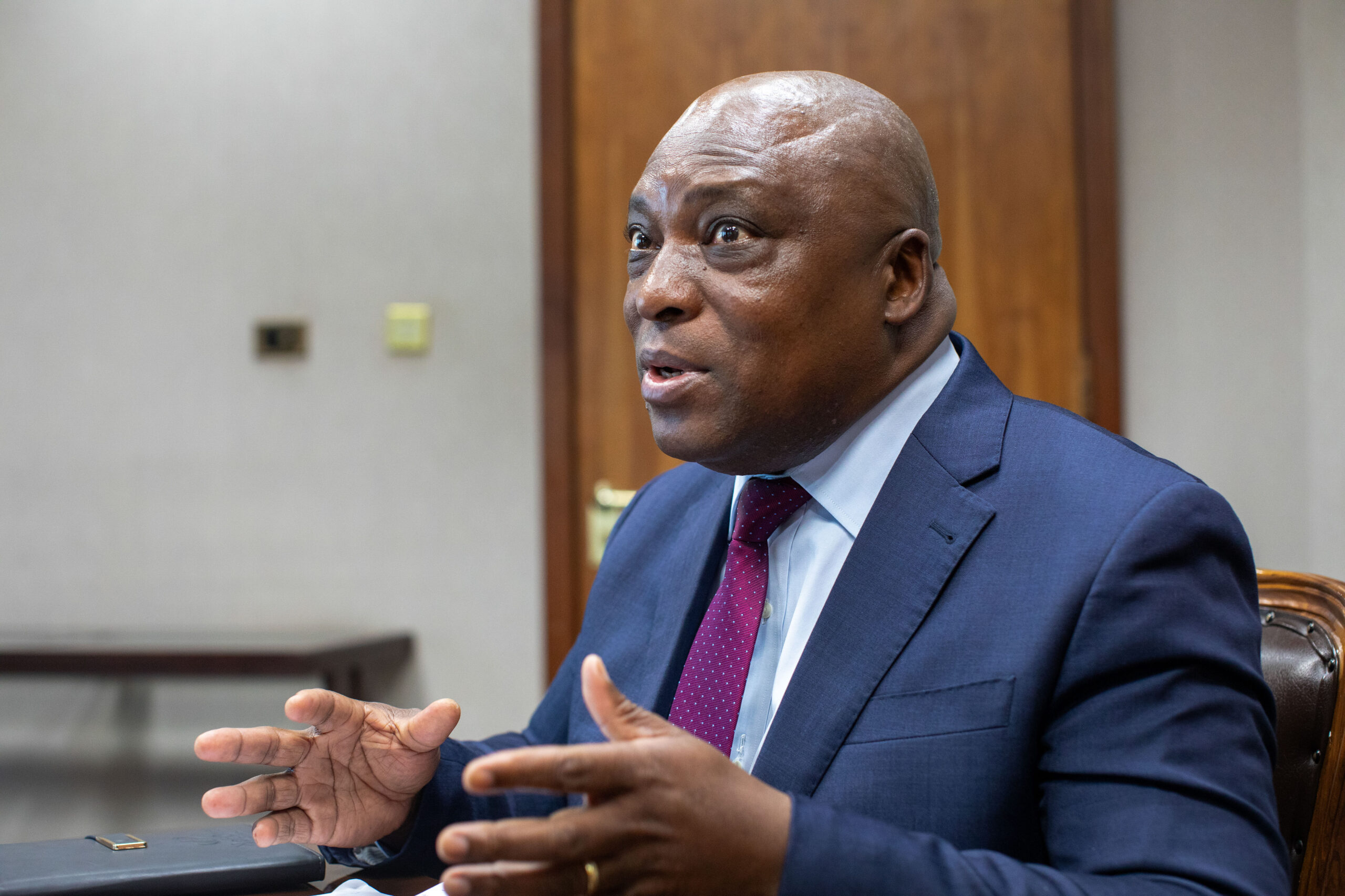
Insurance and Pensions Commission (Ipec) insurance and micro-insurance director Sibongile Siwela told Standardbusiness in an interview that the situation reflected a structural problem.
Siwela said Zimbabwean insurers remained too small and too thinly capitalised to absorb major risks resulting in low retention.
“So, when I talk about low retention, there are risks that are so big that one central company cannot insure.
“ I’ll give you an example of maybe mining companies. Insurance is so big,” she said.
- UK based Zimbabwean divorces wife of 33 years over conjugal rights
- New perspectives: Role of private sector in resource mobilisation
- New perspectives: Money laundering red flags in insurance sector
- 3 000 non-resident pensioners owed US$1.5 million, says Ipec
Keep Reading
“So, what happens is that if one insurance, let’s say one mining giant, wants to place insurance with one of them and the risk is so big that if something happens this company will go under, they will pay something and go under still.
“So, what tends to happen is that insurance companies amongst themselves, or the reinsurers, will share the risk.”
This, she added, is especially true in capital-intensive sectors such as mining, energy, and infrastructure.
Siwela said the low retention was leading to high levels of externalisation.
The total sum insured for 2025 was US$1 909 512 567,90 with a premium of US$291 691,68.
She said these were risks so big that one insurance company cannot insure them alone.
“If a mining giant places a policy with a single insurer and a loss happens, that company would go under,” Siwela said.
“So, insurers share the risk—10%, 5%, even 2%—and whatever they can’t take is placed offshore.”
She said due to low capacity, even when all local insurers combined, they typically only retain small portions, ranging from 10% to 15% of large risks, leaving about 85% to be ceded to foreign reinsurers.
Responding to claims that some insurers were claiming to have no capacity to externalise business for their own gain, Siwela rejected this notion.
“We have heard those claims, but no one has brought evidence. Before approving any external placement, we check each insurer’s capacity declarations for the year,” she said.
“They must draw down on that capacity until it is exhausted. Only then can they externalise.”
She added that Ipec reviewed every externalisation request and insists on proof that local capacity has been fully utilised before approval is granted.
Challenges about the capacity of the insurance sector to cover risks were confirmed in the recent 2024 Annual Financial Stability Report, which found that several insurers were beginning to pay claims in instalments due to limited capacity.
The report was prepared by the Reserve Bank of Zimbabwe, Deposit Protection Corporation, Ipec, and Securities and Exchange Commission of Zimbabwe.
Market watchers have in the past flagged that the high externalisation figures, which they said pointed to deeper challenges around capital adequacy in the sector.
They have also argued that without stronger balance sheets, local insurers cannot meaningfully increase risk retention, resulting in millions of dollars in potential revenue continuing to be externalised.
The asset base for the short-term insurance sector was ZWG12,76 billion, equivalent to US$473,4 million, as of June.