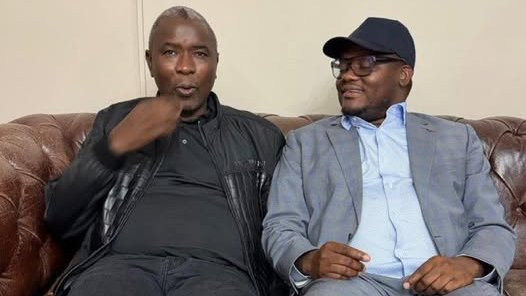
Zanu PF-linked moneybags and tenderpreneurs are likely to use their financial muscle to change the party’s internal party dynamics over President Emmerson Mnangagwa's succession this year, analysts said.
The party’s benefactors such as businessman Kudakwashe Tagwirei and Paul Tungwarara last year entered Zanu PF’s mainstream politics in dramatic fashion last year.
Tagwirei was first to be co-opted into the cntral committee following a recommendation from Harare province despite claims from critics and senior party officials that he was ineligible.
Tungwarara was also recommended for co-option into the central committee by Manicaland late last, but he has been facing resistance from party bigwigs in the province.
Mnangagwa’s deputy Constantino Chiwenga is seen as a front-runner to succeed Mnangagwa, but reports indicate that Tagwirei is emerging as a dark-horse.
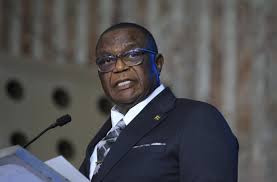
Political analyst Reuben Mbofana said money will emerge as a major factor shaping Zanu PF politics in 2026.
“Those with resources can buy visibility, consolidate influence, and create networks of loyalty that are hard to challenge,” Mbofana noted.
“The result is a political environment where allegiances can be shaped as much by money and patronage as by ideology or public support.”
- Corruption Watch: Get scared, 2023 is coming
- Corruption Watch: Get scared, 2023 is coming
- Letters: Ensuring Africa’s food security through availability of quality seeds
- Is military's involvement in politics compatible with democracy?
Keep Reading
Mbofana, however, warned that the politics of money will fuel infighting and factionalism.
“At the same time, rapid accumulation of wealth within Mnangagwa’s inner circle is creating ambitions and rivalries, as individuals begin to see opportunities to advance their own positions, sometimes at the expense of others,” he argued.
“This may intensify competition for influence, fuel factionalism, and shift the political discourse toward personal gain rather than national interest.”
Last year, Local Government minister Daniel Garwe held a rally in his Murehwa North constituency complaining that an unnamed moneybag was making inroads in his area through various donations.
Ibbo Mandaza who is the executive chairman of the Southern African Political Economy Series (Sapes) Trust, a regional think tank, however, said moneybags will not rescue Zimbabwe from its deep crises.
“I believe there’s a tomorrow in Zimbabwe: 2026 promises to be part of the dawn that will express itself in a struggle that will put paid to the “politics of money “ and see the establishment of the National Transitional Authority(NTA), the only avenue through which Zimbabwe can recover from the current crisis and become a truly developmental state,” Mandaza argued.
“It’s work in progress.”
Political analyst Vivid Gwede said the politics of money will tear Zanu PF apart.
“Politics will likely fall in the hands of moneybags as the succession drama develops but this will likely have repercussions and increase political tensions,” Gwede argued.
“Clearly, in the ruling party, loyalties are being bought and sold, but some will seek to resist this.
“The ordinary people might feel frustrated and distanced from this kind of politics.
“Given that the next Zanu PF congress is in 2027, political brinkmanship will likely increase as factions seek ultimate advantage.”
Another political analyst Rejoice Ngwenya said the era of 'poor politics' is over.
“The game will be played by the big boys with deep pockets,”Ngwenya argued.
“Villagers are already 'poisoned' by benevolent dictatorship.”
Politician Linda Masaria said 2026 will be a decisive year for Zimbabwe’s politics, but not in a positive direction if current trends continue.
“What we are witnessing is the deepening entrenchment of money as the primary determinant of political power, influence, and survival,” Masarira said.
“Politics is increasingly being captured by financial muscle rather than ideas, ideology, or public service.”