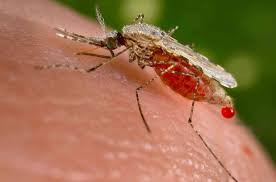
MASHONALAND West province has recorded 237 new malaria cases and three deaths, raising concern among health authorities as the rainy season continues to fuel transmission in several districts.
According to the latest Malaria Outbreak Situation Report compiled by the Ministry of Health and Child Care, the cases were reported across all seven districts in the province during Epidemiological Week 02 of 2026.
Hurungwe accounted for the highest number at 86 cases, followed by Makonde with 72, Zvimba 41, Sanyati 16, Mhondoro Ngezi 14, Kariba seven and Chegutu one.
Health officials confirmed that 20 of the new cases, representing 8.4%, involved children under the age of five, while four pregnant women were also affected, highlighting the continued vulnerability of high-risk groups.
The province also recorded three malaria-related deaths, with two fatalities reported in Zvimba district and one in Makonde district.
Mashonaland West province is currently classified into two malaria transmission categories.
Kariba, Hurungwe, Makonde, and Sanyati are designated as malaria control districts, while Mhondoro Ngezi, Chegutu, and Zvimba are under the malaria elimination phase.
In response to the outbreak, health authorities have intensified malaria case management across all districts.
- Malaria fight disrupted by COVID pandemic: WHO
- Malaria fight disrupted by COVID pandemic: WHO
- Zanu PF 'threatens' terror attacks
- Former Zanu PF bigwigs eye return
Keep Reading
On-the-job orientation for health workers is ongoing, and both facility-based and community health workers have been placed on high alert.
Community sensitisation programmes encouraging early testing and treatment have also been rolled out.
Community Working Group on Health director Itai Rusike said malaria remains a significant, persistent public health challenge in the country.
Rusike added that the situation is made worse by a funding shortfall after the funding withdrawal by the United States government.
“Extreme weather events, increasing drug and insecticide resistance, and funding shortfalls especially after the funding withdrawal by the United States government are jeopardising the significant gains that the country has made against malaria over the last 20 years,” he said.
Sustained domestic health funding is critical to keep prevention and treatment efforts on track.
“Investing in the fight against malaria not only saves lives but it also boosts productivity, creates economic opportunities, strengthens national health security and makes the country safer for everyone,” Rusike said.
Former Health ninister Henry Madzorera weighed in saying there was a need for sustainable community health education and awareness campaigns.
“The country need sustained community health education and awareness campaigns, provision of treated mosquito nets in malaria hot spot areas, household malaria prevention services including residual spraying and making sure that there is active community participation in malaria prevention programmes,” Madzorera said
Health authorities urged residents, especially those in malaria-prone areas, to sleep under treated nets, eliminate stagnant water around homes, and seek immediate medical attention if they develop symptoms such as fever, chills, and body weakness.