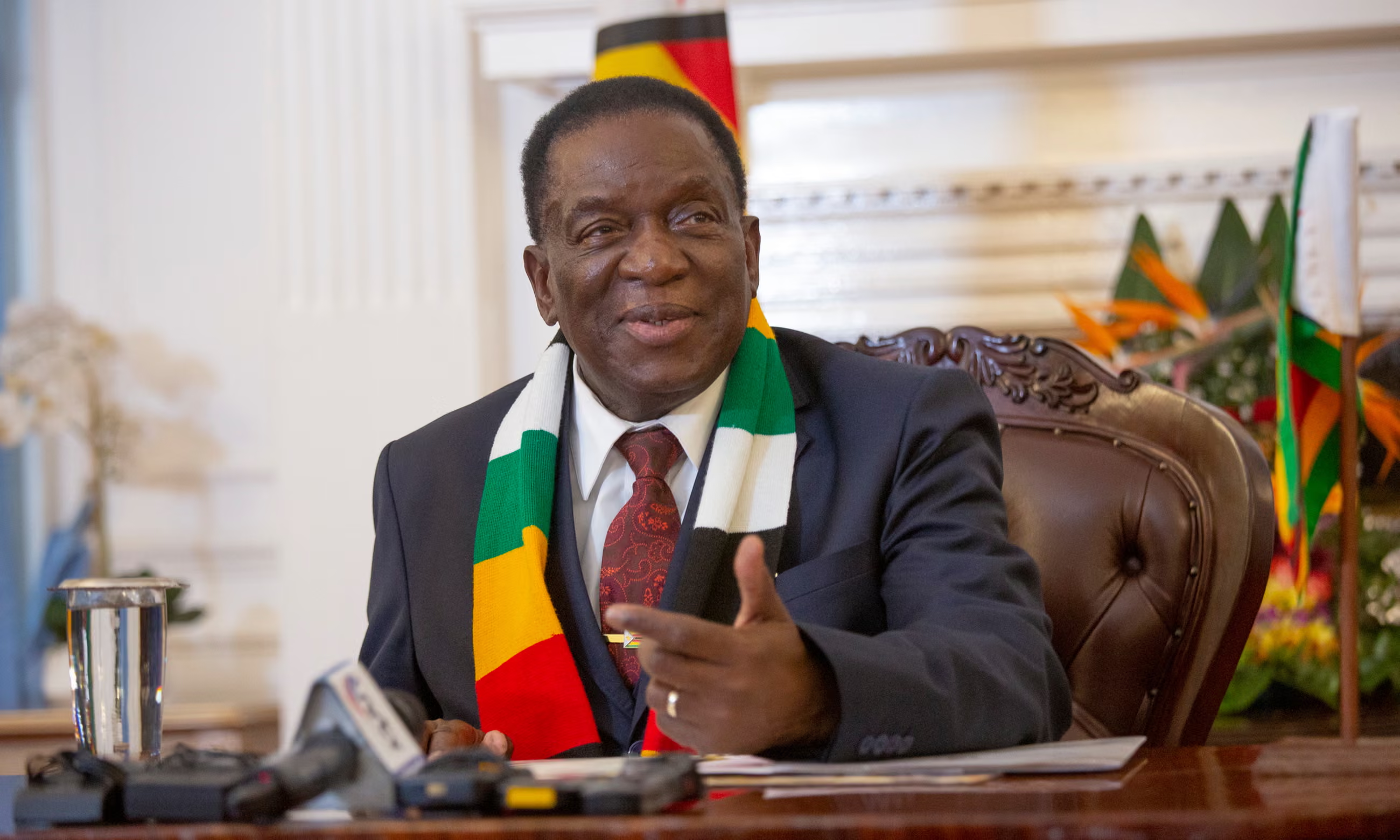
THE High Court has ordered President Emmerson Mnangagwa to release the Tendai Uchena Land Commission report, ruling that withholding it violates the constitutional right to access information and breaches the founding values of transparency, accountability, justice, and responsiveness.
The court ruled that withholding the Uchena Commission Report undermines public accountability and erodes confidence in institutions of governance.
It stated that the respondents, as custodians of state power, are constitutionally obliged to act with openness and transparency in matters of public interest.
The ruling was made on an application filed by former opposition legislator Allan Norman Markham, who sought a constitutional order for the report's release.

Markham, represented by lawyer Alec Muchadehama, cited Mnangagwa and the Attorney General as respondents.
Markham had requested an order declaring that the failure to publish the Commission of Inquiry report into the sale of state land in and around urban areas since 2005 violates the public's right to access information held by the state, as stipulated in Section 62 of the constitution.
He further argued that the president’s failure to publish the report is inconsistent with national values enshrined in Section 3(2)(g) of the constitution.
He sought a court order directing the report to be published and made accessible to the public within 90 days of the judgment.
- Fresh land invasions hit Whitecliff
- Pomona cash row escalates
- Border Timbers targets European markets
- SA name strong A side for Zim tour
Keep Reading
After hearing arguments, Justice Maxwell Takuva said he was satisfied this was a proper case to grant the declaratory and mandatory relief sought to vindicate constitutional rights and promote good governance principles.
In February 2018, Mnangagwa appointed the Uchena Commission, chaired by Justice Tendai Uchena, to investigate the sale and allocation of state land in and around urban areas since 2005.
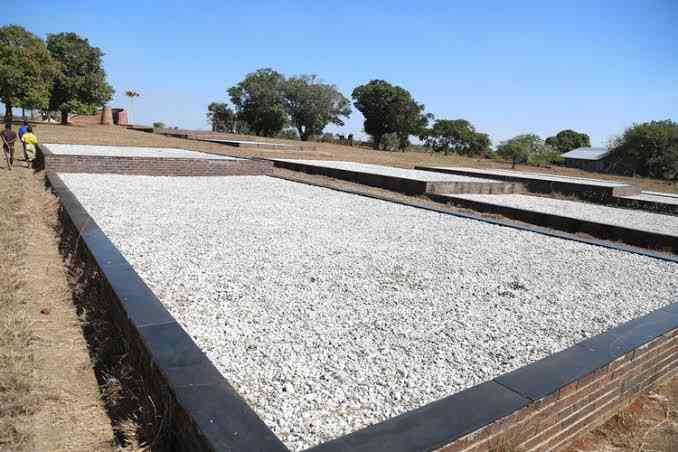
The commission was established following an upsurge in illegal land transactions and unregulated urban settlements by developers and cooperatives, often called land barons, accused of selling state land without authority.
This led to double sales, financial loss for home seekers, and the destruction of illegal structures.
The commission's terms of reference included identifying all state land allocated for urban development since 2005, determining its ownership and use, investigating acquisition methods, identifying involved actors, and making recommendations to the President.
After conducting hearings and field visits in all 10 provinces, the commission submitted its final report to the President on 9 December 2019.
Despite this, the report has never been made public.
Markham argued that the report contains damning findings on the large-scale illegal sale of state land, financial prejudice to the state amounting to approximately US$2.97 billion, and the role of specific individuals and institutions.
He contended that withholding the report undermined public accountability and prevents citizens from understanding the extent of corruption, maladministration, and loss of public resources.
Markham stated that since 2019, he has persistently sought the report's publication through parliamentary questions, petitions, and formal correspondence to the President and relevant ministers without success.
He argued that the non-disclosure violated the constitutional right to access information (Section 62) and the founding principles of transparency, justice, accountability, and responsiveness (Section 3).
Mnangagwa and the Attorney General opposed the application, arguing that Markham wrongly assumed Section 62 created a duty to publish such reports.
They contended Markham failed to show how his rights were violated and that he is an unsuitable applicant.
They argued that access to information does not necessitate publication, as citizens and media can request access without full public release. They cited Section 62(4), which contains limitations, and noted Markham never formally requested access to the report itself.
They further submitted that the report is investigative and may contain unproven allegations of a serious nature.
Premature publication, they argued, could expose the President and authors to legal suits and violate other individuals' rights to privacy, the presumption of innocence, dignity, and administrative justice.
They also argued that the commission of Inquiries Act does not compel the commission to present its report to the public or Parliament, and therefore, the failure to publish is not unlawful.
Takuva, however, ruled that the evidence showed the report was completed and submitted in December 2019 but remains withheld.
He stated that the report concerns the sale of public land and findings on potential corruption, abuse of office, and massive loss of state revenue, falling squarely within information "required in the interests of public accountability."
"The court is satisfied that the continued withholding of this report constitutes a violation of the constitutional right to access information,” the Judge ruled.
“The right under section 62 is not discretionary; it is a direct and enforceable entitlement that binds all state institutions," Justice Takuva said.
He stated that failing to release a report of such national importance "conveys opacity rather than transparency and secrecy rather than accountability, and silence rather than responsiveness."
The court found the non-disclosure inconsistent with Section 3(2)(g) of the constitution and offensive to the principles of good governance.
“I therefore have to agree with the applicant," Justice Takuva said.
“One of the primary functions of public inquiries is fact-finding.
“They are often convened, in the wake of public shock, horror, disillusionment, or scepticism, in order to uncover the truth.”
The judge subsequently granted the application.