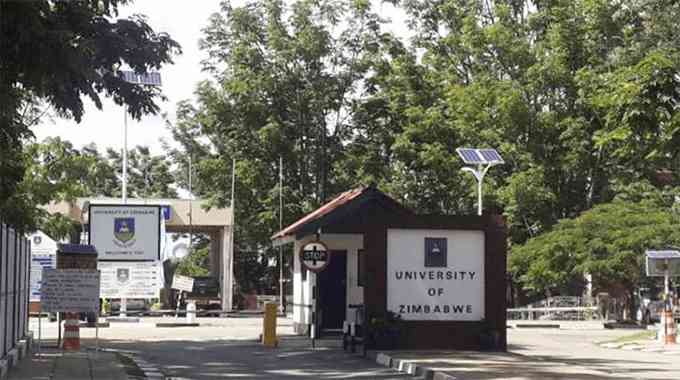
An African academic rights watchdog has raised serious concerns over what it describes as a “systematic and alarming erosion” of academic freedom and trade union rights in Zimbabwe, with the University of Zimbabwe (UZ) at the centre of the controversy.
In a letter addressed to Higher and Tertiary Education, Science, Technology and Innovation Development minister Frederick Shava, the Africa Coalition for Academic Freedom (ACAF) urged the government to urgently intervene to stop alleged violations targeting university lecturers and union leaders.
ACAF, a Ghana-registered civil society organisation that monitors academic freedom across the continent, said its concerns stemmed from multiple reports verified through its monitoring desk and confirmed by sources within Zimbabwe, including the Association of University Teachers (AUT).
Academics at UZ have allegedly been subjected to surveillance by university security personnel operating in civilian clothes, alongside officers from the Central Intelligence Organisation (CIO), during lectures, workshops, conferences and seminars.
The organisation alleged that university authorities have denied venues for union meetings, reported union leaders to the Zimbabwe Republic Police (ZRP) for arrest, and used the judiciary to persecute lecturer representatives.
Other alleged violations include the dismissal of union leaders on what ACAF termed “unfounded charges,” such as using university facilities without written authorisation, and the non-renewal of fixed-term contracts for academics who participated in a prolonged strike between April 16 and October 31, 2025.
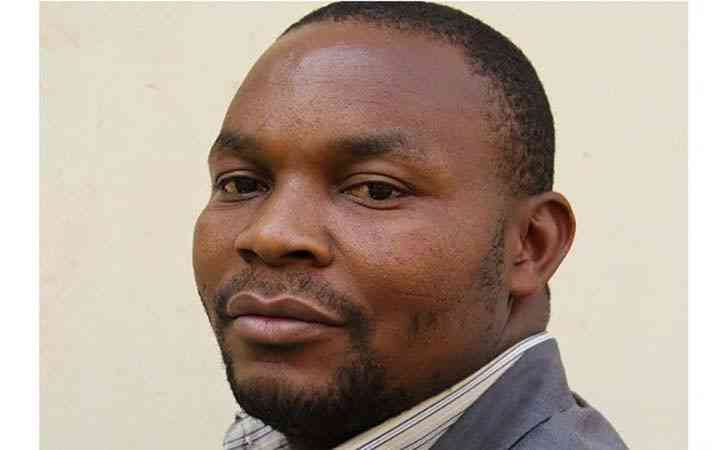
Association of University Teachers (AUT) spokesperson Obvious Vengai told Standard People on Friday that academic freedoms at the UZ were under siege.
"It is heartening to know that there are continental bodies that are observing and are concerned about the violations of academic freedom at our university," Vengai said.
- Byo author eyes SA award
- Gay pride billboard pulled down in Ghana’s capital
- Africans may soon start importing indigenous fruits, vegetables
- COVID-19 scare in schools
Keep Reading
"We appreciate their solidarity and wish there would be other bodies to voice their concern.
"Because what is happening at the University of Zimbabwe is not normal.
"The institution has since stopped being a reputable university."
He added: "Can you imagine that as we speak lecturers are being ordered by security guards to set exams, mark and submit to security control room.
"The security department at the University of Zimbabwe oversees academic affairs."
The ACAF cited cases where academics were denied sabbatical, contact and ordinary leave for expressing critical views of the university administration or government, as well as incidents where security guards allegedly compelled lecturers to mark examination scripts.
The coalition warned that the reported actions amounted to violations of Zimbabwe’s obligations under several international and regional human rights instruments, including the Universal Declaration of Human Rights (UDHR), the International Covenant on Civil and Political Rights (ICCPR), the International Covenant on Economic, Social and Cultural Rights (ICESCR), and the African Charter on Human and Peoples’ Rights.
The ACAF emphasised that no African intellectual should be persecuted or intimidated solely on account of their intellectual work or opinions, and that academics are entitled to job security and fair disciplinary processes conducted by democratically elected academic bodies.
ACAF echoed AUT’s position that joining a trade union and participating in strike action are lawful activities protected under both national and international law.
The organisation warned against what it described as the politicisation of trade union activities within universities.
The coalition called on the minister to engage in constructive dialogue with AUT, reverse all decisions deemed to violate academic and trade union freedoms, and ensure that university authorities respect the rights of academic staff.