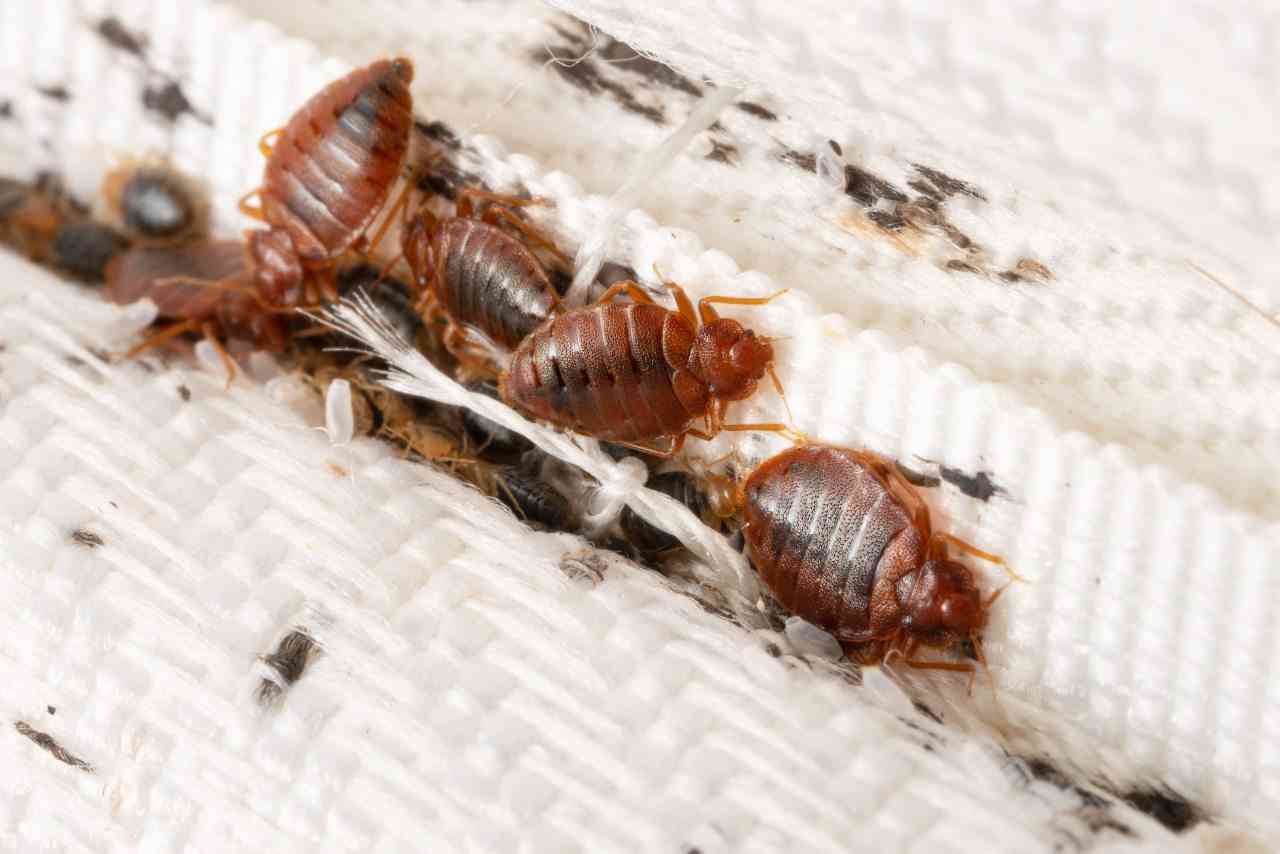
Harare has been hit by another bed bug outbreak attributed to the storage of second-hand clothing bales and unhygienic living conditions in the densely populated Mbare neighbourhood.
The re-infestation comes months after the city council, in conjunction with the government, fumigated the flats in a bid to end the spread of the pests.
Despite that successful control programme implemented last year, recent assessments have confirmed the presence of bed bugs in several Matapi and Matererini apartment blocks.
“A bed bug re-infestation has been detected in Mbare,” read a statement from the city health department.
“Recent assessments have confirmed the presence of bed bugs in several apartments including Nenyere, Matererini, Matapi, Shawasha, and Mbare flats, and in the surrounding areas.
“This re-emergence has been attributed to imported second-hand clothes (mabhero).”
Mbare, Harare's oldest and most populous high-density suburb, has long grappled with overcrowding and sanitation challenges that create ideal conditions for pest infestations.
The bed bug menace first gained widespread attention in mid-2024 when residents of the historic flats began reporting sleepless nights and painful bites.
- Wha Wha books Chibuku date with Dembare
- Dynamos back to winning ways
- Acid test for struggling Dynamos
- TIME RUNNING OUT FOR NDIRAYA
Keep Reading
The colonial-era hostels and flats, originally designed to house single male migrants, now accommodate entire families in cramped conditions, with some rooms measuring just 12 square metres housing up to six people.
Shared ablution facilities and inadequate waste management systems have compounded the problem.
In August 2024, the government launched an emergency fumigation programme targeting over 2,000 rooms across Mbare's old flats.
Health officials at the time declared the operation a success, but warned that without behavioural change and improved hygiene, re-infestation was likely.
The current outbreak has been linked to the popular Mbare Musika second-hand clothes market, where bales of imported used clothing, known as mabhero, are stored in residential areas before distribution.
According to the council, health teams are now in full force, moving door-to-door with industrial sprayers in a bid to halt the fast-spreading pest problem.
“The city health department is urgently responding through a targeted chemical application programme in all affected blocks and nearby areas from February 19, 2026. The operation aims to protect public health and prevent further spread,” the statement added.
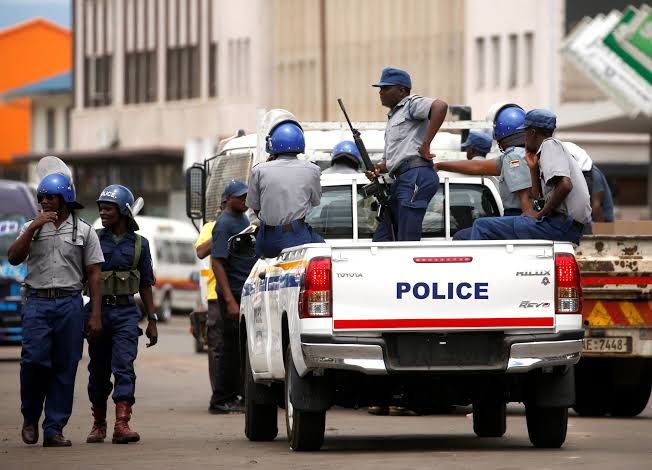
The local authority warned that residents who obstruct spraying teams will face consequences "without any further warning."
"Failure to grant access to spraying teams increases the risk of continued infestation and re-infestation of neighbouring rooms and blocks,” the statement added.
“As such, appropriate action will be taken on non-compliant residents, without any further warning, to ensure successful control of bed bugs," the council said.
Meanwhile, the Ministry of Local Government and Public Works has approved Harare's 2026 budget of US$690,8 million, aimed at restoring infrastructure and improving service delivery.
The budget, which was presented on October 30, 2025 as a financial plan for the City of Harare, was built on two strategic pillars of revenue mobilisation and accelerated capital investment.
“This approval, granted in terms of Section 47(1) of the Public Finance Management Act [Chapter 22:19], marks a critical step forward in our commitment to service delivery and financial responsibility,” acting town clerk Phakamile Mabhena Moyo said in a statement.
“The City of Harare hereby notifies all residents, ratepayers and stakeholders of the implementation of the new tariff schedule, effective immediately.”