The Harare City Council is struggling to recover more than ZiG10 billion, approximately US$735 million, in unpaid debts, a financial shortfall that has paralysed essential service delivery across the capital.
Internal documents revealed that the debt is spread across the private sector, government, and residential areas, with residents identified as the primary debtors.
According to the council records, residents owe the local authority ZiG5.8 billion, accounting for 58% of the total outstanding revenue.
The industrial and commercial sectors owe an additional ZiG4 billion, or 40% of the total, while government entities account for the remaining two percent, estimated at ZiG200 million.
In an effort to bridge the gap, the council has introduced various digital payment platforms to streamline collections.
However, the local authority is also taking a harder line against "chronic legacy debtors," pursuing litigation to attach property and blacklisting individuals with credit bureaus.
“We remain committed to collaborative solutions,” the council said in its internal report, adding that it is open to flexible payment plans for residents and is seeking tax set-off agreements with the government.
The claims have been met with fierce resistance from the Harare Residents Trust (HRT).
- Harare residents threaten mass protests against Pomona deal
- Harare residents threaten mass protests against Pomona deal
- Awards target married couples
- Plastic recyclers clamour for government funding
Keep Reading
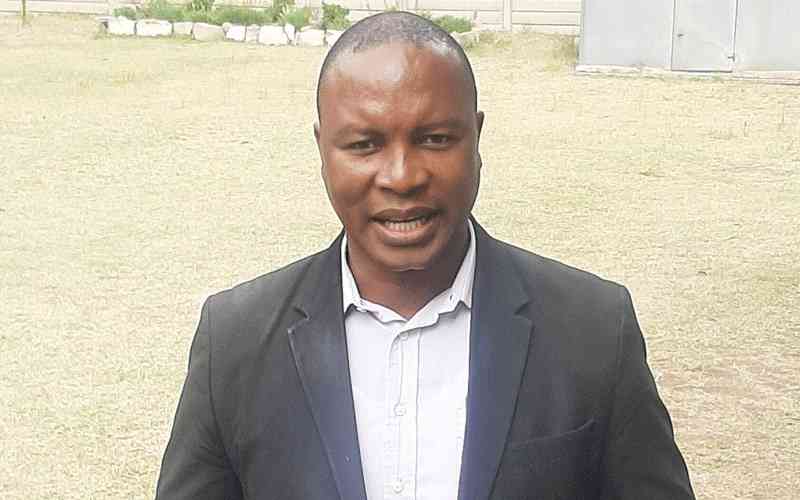
HRT director Precious Shumba argued that the council has no right to demand these sums, alleging that the city has failed to maintain a functional or transparent billing system since March 201934.
Shumba accused city management of prioritising administrative perks over public needs.
He alleged that while service delivery collapses, the city has provided vehicle loans of up to US85 000 per manager for cars valued at less than US20 000.
“It is the duty of the City of Harare to put in place transparent and accountable governance systems to enhance ratepayers’ trust,” Shumba said, questioning why vehicle loans are prioritised while the city's infrastructure crumbles
The council’s financial crisis is the latest chapter in the long-term decline of a capital once celebrated as Africa’s “Sunshine City.”.
In the decades following Zimbabwe’s independence, Harare was known for its well-maintained roads, reliable water treatment, and efficient refuse collection.
However, the last 20 years have seen a dramatic reversal of fortunes.
The collapse is attributed to a combination of aging colonial-era infrastructure, systemic corruption, and constant political friction between the opposition-led council and the central government.
These internal issues are exacerbated by a national economic crisis characterised by high inflation and currency instability, which has decimated the purchasing power of both the council and its residents
The city’s inability to maintain its billing system since 2019 has led to "estimated" billing, where residents are charged flat fees regardless of actual consumption.
This has fuelled a "refusal to pay" culture among residents who feel they are being charged for services, such as running water and trash pickup, that they rarely receive.
Without a resolution to the billing dispute and a crackdown on alleged management corruption, the "Sunshine City" remains trapped in a cycle of debt and decay.