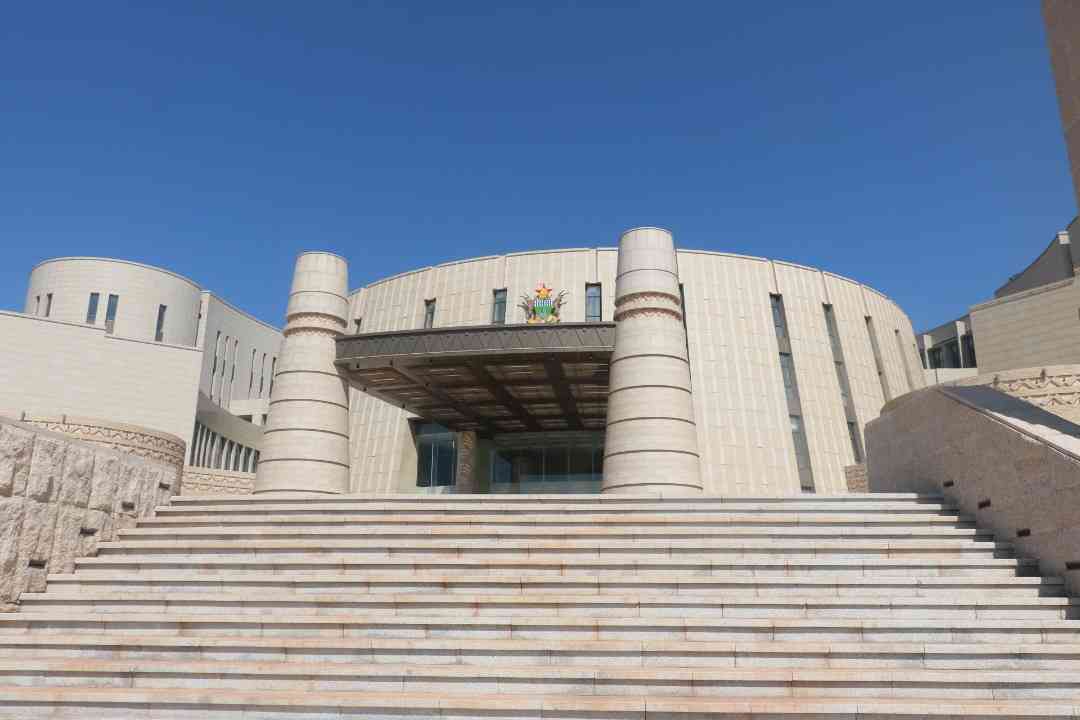
Inside the high-ceilinged chambers of the National Assembly in Mt Hampden this June, the air has been thick with more than just the winter chill.
A historic struggle for the soul of Zimbabwe’s 2013 constitution is unfolding.
As the ruling Zanu PF party moves to consolidate power through the Constitution of Zimbabwe Amendment (No. 3) Bill (CAB3), a courageous cohort of opposition MPs has emerged as the final line of defence against what they describe as a "monumental democratic regression."
These lawmakers have faced an environment that can only be described as a political pressure cooker.
Debates have been characterised by relentless interjections, accusations of being "possessed by evil spirits," and the constant threat of being ejected from the House by the sergeant-at-arms.
Yet, they have stood firm, withstanding both veiled threats and the implicit inducements of extended tenures, cash and cars, choosing instead to honour their mandate as "custodians of the constitution."
The arguments against CAB3 are as multifaceted as they are urgent.
Leading the charge, Dzivarasekwa MP Edwin Mushoriwa stripped away the government’s administrative veneer, declaring that the bill is about "one thing and one thing alone, which is the accumulation and the preservation of political power."
- Chamisa gets Hichilema invite
- Chamisa gets Hichilema invite
- Pac postpones Parly laptops probe
- 2% tax to stay: Mthuli
Keep Reading
He argued that while the 2013 constitution was designed to limit politicians, CAB3 seeks to "reverse every democratic gain," transferring sovereignty from the people back to the political elite.
Similarly, Hatcliffe MP Agency Gumbo, a respected legal mind in the House, targeted the bill’s attempt to circumvent Section 328, which was specifically designed to prevent incumbents from benefiting from term extensions.
He warned that the bill strikes at the "core of our constitutional democracy" and cautions against "coup-proofing" measures that would limit the military’s role in protecting the constitutional order.
For many of these MPs, the opposition is rooted in the stark reality of their constituencies. Ropafadzo Makumire (Chiredzi Central) has been a vocal critic, recounting how his constituents asked him why the government was focused on "adding two more years" when patients in local hospitals were "giving birth on hospital floors" and medication was non-existent.
He dismissed the bill as a "cover-up for failure," noting that poverty will only increase if the current administration extends its stay without addressing the economic quagmire.
This sentiment is echoed by Lynette Karenyi (Chikanga), who told the House that she "did not hear mothers asking for CAB3" or "unemployed youth demanding CAB3."
Instead, she heard cries for jobs, food, and medicine.
"The people want bread, not political engineering," she declared, arguing that a constitutional amendment at this stage is "unnecessary, undemocratic, and totally uncalled for."
A recurring theme among the dissenters is the illegitimacy of the process itself.
Proportional representation MP Gladys Hlatywayo registered spirited opposition, citing a "process and substance deficit."
Hlatywayo detailed how public hearings were "marred by violence and intimidation," including an instance where lawyer Doug Coltart’s phone was snatched by officials.
She joined a chorus of voices—including Corban Madzivanyika (Mbizo) and Joana Mamombe (Harare West)—demanding that any change to the national charter must be subjected to a referendum.
Madzivanyika specifically cited Section 67 of the Bill of Rights, arguing that changing the direct election of the president to a parliamentary vote is ultra vires (beyond the legal power) of the constitution without the people’s direct consent.
The courage of these MPs was most visible when considering the personal stakes involved.
In a moment of startling candour, Madzivanyika reminded the House that Zimbabwean MPs were among "the poorest middle-class people in the world," earning roughly USD$275 per month.
He noted the extreme vulnerability of such poorly remunerated lawmakers to bribes from "billionaires" or political handlers seeking to buy their votes for the amendment.
By opposing a Bill that would grant them an automatic two-year extension of their own terms, these MPs are effectively voting against their own material benefit in favor of constitutional principle.
Goodrich Chimbaira (Zengeza East) used a football analogy to shame those seeking extensions: "90 minutes is 90 minutes... you don't go and ask for a time extension."
He characterised the hunger for more years as a "demon of not wanting to give up power."
Other legislator who stood up to be counted against the bill, often in the face of mockery and procedural bullying included Shakespear Hamauswa (Warren Park, Innocent Zvaipa (Zengeza West), Wellington Chikombo (Glen Norah), Godfrey Sithole (Chitungwiza North), Maxwell Mavhunga (Chitungwiza South), Miriam Matinenga (Manicaland women’s quota) and Darlington Chigumbu (Budiriro South).
The debate remains ongoing, but the lines have been drawn. As Hlatywayo noted, "History has no blank pages."
While the government benches argue that these changes are necessary for "stability" and "Vision 2030," the opposition has successfully framed the bill as an existential threat to the Republic.
By standing firm against a bill that offers them personal security but threatens Zimbabwe’s democratic health, these MPs are banking on a different kind of reward: the judgement of future generations.
As Mushoriwa concluded in his address to the people of Dzivaresekwa, "I refuse to be an accomplice in dismantling [the constitution]... Posterity will judge us."