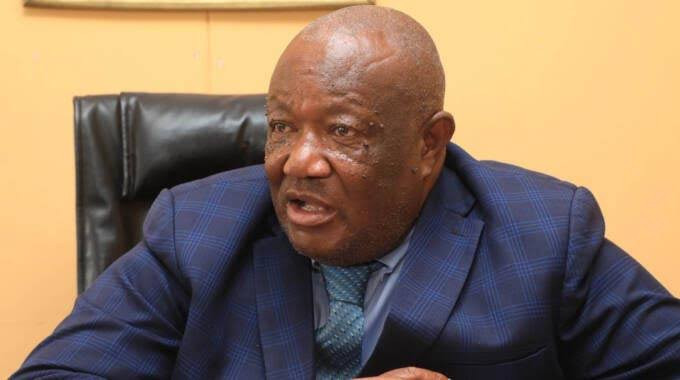
Some of the founding directors of Zvimba East Veterans Investment Company (Zevic) have been acquitted of fraud charges following the conclusion of a case that had been before the Harare magistrates’ court for nearly two years.
The matter centred on allegations relating to a US$70 000 transaction involving company funds. The complaint was initially reported to the police by the late Douglas Mandaza, before it was subsequently pursued by Luke Mutungwazi.
In delivering judgement on Friday, magistrate Artwell Sanyatwe acquitted all the accused, bringing the criminal proceedings to an end.
The magistrate observed that the issues before the court appeared to stem from internal disputes within the company rather than criminal conduct.
The accused were represented by Brighton Mudiwa, who welcomed the ruling and thanked the court for what he described as a careful consideration of the evidence presented during the trial.
During the trial, the accused denied the fraud allegations in their entirety, maintaining that the prosecution arose from a long-standing leadership dispute within the war veterans’ company.
According to their defence outline, the accused said Zevic was registered in May 2023 with 14 directors before internal divisions emerged later that year, resulting in two rival factions.
They alleged that the criminal case formed part of a broader dispute over the control of the company and its assets, and referred to several related civil and criminal matters that have been before the courts.
- War vets in trouble for invading farm
- War veterans company in turmoil
- War vets company vows to deliver
- War vets urged to bury the hatchet
Keep Reading
The first and second accused, Joe Chimonyo and Deliwe Muvhuti respectively, maintained that they were duly authorised signatories to the company’s FBC Bank account and that the disputed US$70 000 was transferred for the purchase of tractors and a grader for the company’s land development operations.
They argued that the equipment was acquired for the benefit of the company and remains part of its operational assets.
The fourth accused, Israel Gada, denied any involvement in the transaction, stating that he was not a signatory to the company’s bank account, did not authorise or receive the funds, and played no role in the transfer.
The defence contended that his inclusion in the charges was unjustified.
The defence also submitted that the tractors and grader were publicly commissioned before the internal dispute arose and that several directors, including members of the rival faction, attended the commissioning ceremony.
It also argued that the investigating officer had inspected the equipment during the investigation.
According to the defence submissions, the State's witness, complainant Mutungwazi, acknowledged during cross-examination that the tractors and grader in question had, in fact, been purchased and that he had attended their commissioning ceremony.
The defence also argued that the complainant confirmed the existence of long-standing factional disputes within Zevic and was unable to produce a board resolution establishing his authority to act on behalf of the company.
In an application for discharge at the close of the Sstate’s case, defence counsel argued that the prosecution had failed to establish a prima facie case under Section 198(3) of the Criminal Procedure and Evidence Act.
Citing several Supreme Court authorities, including S v Kachipare, Attorney-General v Bvuma, Attorney-General v Muzizi, and Attorney-General v Tarwireyi, the defence submitted that there was insufficient evidence upon which a reasonable court could convict the accused.
The court ultimately acquitted all the accused persons. Following the judgement, the founding directors welcomed the ruling, describing it as an opportunity to refocus on the company's investment programmes and operations.
They said Zevic would continue implementing its vehicle benefit programme and other development projects, including the deployment of plant equipment acquired by the company.
The directors also maintained that the company’s assets remain under the custody of the founding directors and said all directors remain welcome to participate in Zevic programmes.