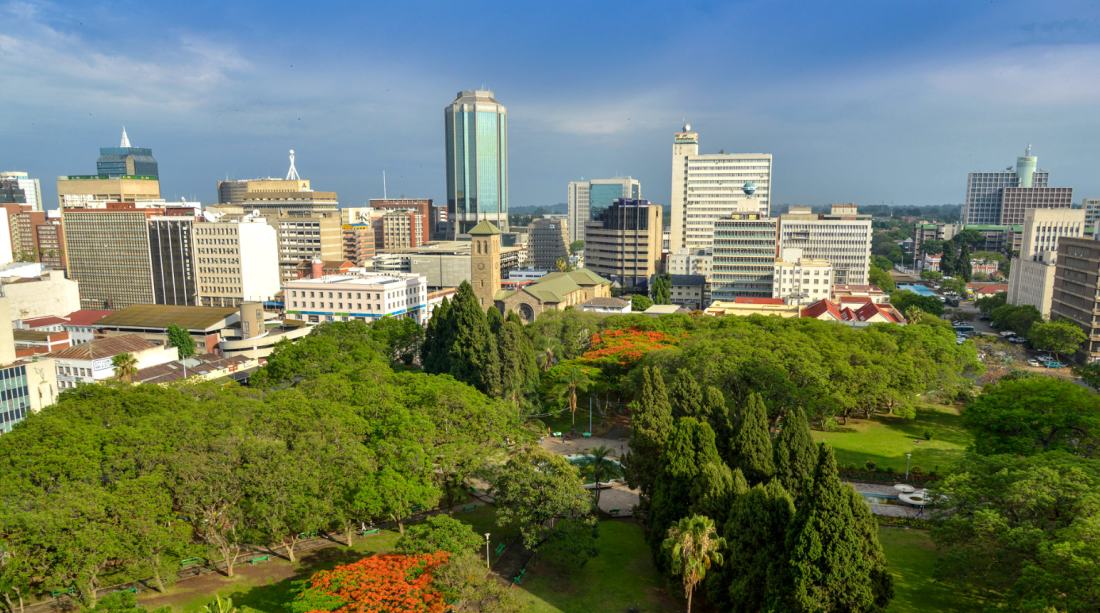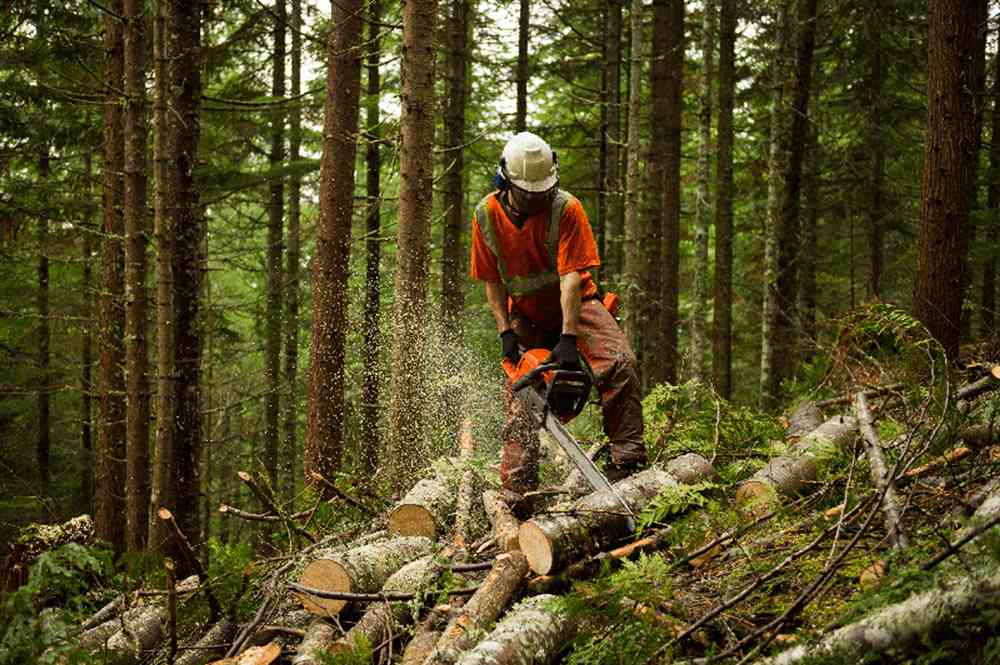
The transformation of agrifood systems is no longer a technical debate confined to ministries of agriculture. It is a social, environmental, and economic imperative that cuts across forestry, climate policy, livelihoods, and social protection.
Strengthening coherence between forestry and social protection is therefore not just good policy design; it is a necessary pathway to sustainable agrifood systems, particularly for countries like Zimbabwe where rural livelihoods, natural resources, and vulnerability to climate shocks are deeply intertwined.
At its core, agrifood systems transformation seeks to ensure that food production, distribution, and consumption are sustainable, resilient, and inclusive.
Forestry plays a central but often undervalued role in this transformation. Forests and trees contribute directly to food security through fruits, nuts, mushrooms, honey, and bush meat, and indirectly by regulating water cycles, improving soil fertility, and buffering farms against climate extremes.
Yet forestry policies are frequently treated as environmental add-ons, while social protection systems—such as cash transfers, food aid, and public works are designed primarily as safety nets rather than as tools for long term ecological and livelihood resilience.
This policy fragmentation comes at a cost. When social protection programmes ignore forestry, they risk addressing symptoms of poverty while undermining the natural capital that rural people depend on.
Conversely, when forestry initiatives overlook social protection, they may impose conservation burdens on communities without offering viable livelihood alternatives.
Coherence between the two sectors offers a way out of this cycle.
- Addressing unfair trade key to transforming African food systems
- Urgent economic structural transformation necessary
- Residents finger ZETDC employees in cables theft
- New perspectives: Building capacity of agricultural players in Zim
Keep Reading
Social protection can be a powerful enabler of sustainable forestry and agrifood systems.
Predictable income support, for instance, reduces households’ reliance on negative coping strategies such as deforestation for charcoal, unsustainable firewood harvesting, or cultivation on fragile forest lands.
When people are less desperate to meet immediate needs, they are more likely to invest in sustainable land-use practices, including agroforestry, woodlots, and forest restoration.
In this sense, social protection is not merely a welfare intervention; it is an environmental one.
Forestry, in turn, can strengthen the impacts of social protection.
Tree based systems diversify livelihoods and diets, providing nutrition sensitive foods and income streams that complement cash transfers or food assistance.
Agroforestry improves farm productivity and resilience, making households less dependent on long-term social assistance.
When forestry initiatives are integrated into public works programmes such as food for-assets or cash-for-work schemes they can create durable community assets like restored watersheds, community forests, and windbreaks that support agrifood systems for generations.
For Zimbabwe, the case for linking forestry and social protection is particularly compelling.
The country faces recurring droughts, land degradation, deforestation, and high levels of rural poverty.
Smallholder farmers, who form the backbone of Zimbabwe’s agrifood system, are also the most exposed to climate shocks.
Social protection programmes such as the Harmonised Social Cash Transfer (HSCT) and public works schemes already play a critical role in supporting vulnerable households.
However, their potential to drive sustainable agrifood systems transformation remains underutilised.
By deliberately integrating forestry objectives into social protection, Zimbabwe can unlock multiple benefits.
First, public works programmes can prioritise forest and landscape restoration activities such as tree planting, gully reclamation, and rehabilitation of degraded communal lands while providing income to vulnerable households.
This creates a virtuous cycle where short-term social support delivers long-term ecological and agricultural gains.
Second, cash transfer programmes can be linked to complementary services that promote agroforestry and sustainable land management.
For example, beneficiaries could receive access to tree seedlings, extension support, and climate smart agriculture training.
This is not about imposing conditions, but about aligning incentives and opportunities so that social protection strengthens productive and sustainable livelihoods.
Third, stronger coherence can enhance climate adaptation and mitigation outcomes.
Forests act as carbon sinks and natural buffers against floods and droughts.
Integrating forestry into social protection therefore supports Zimbabwe’s climate commitments while building resilience at the household and community levels.
In a context where climate change is already undermining food security, this integration is both pragmatic and urgent.
There are also governance and equity dimensions to consider.
Coherent policies can help address historical inequalities in access to land, forests, and resources.
Women, youth, and marginalised groups are often excluded from forestry benefits despite being primary users of forest resources.
Social protection systems, if well designed, can serve as entry points for more inclusive forest governance and livelihood opportunities, ensuring that agrifood systems transformation leaves no one behind.
Of course, coherence does not happen automatically. It requires intentional coordination across ministries responsible for forestry, agriculture, social development, and finance. It demands data sharing, joint planning, and adequate financing.
Importantly, it also requires listening to communities and recognising local knowledge, especially in agroecological practices that Zimbabwean farmers have been refining for generations.
Critics may argue that linking forestry and social protection complicates already overstretched systems.
Yet the greater risk lies in continuing with siloed approaches that fail to address the root causes of vulnerability and environmental degradation.
Coherence is not about adding layers of bureaucracy; it is about aligning existing investments to deliver greater and more sustainable returns.
Linking forestry and social protection offers Zimbabwe a strategic opportunity to transform its agrifood systems in a way that is socially just, environmentally sustainable, and economically resilient.
By recognising forests as productive assets and social protection as a driver of sustainability not merely a safety net Zimbabwe can move beyond crisis management toward a development pathway that nourishes both people and landscapes
*Gary Gerald Mtombeni is a Harare based journalist. He writes here in his personal capacity. For feedback Email [email protected]/ call — +263778861608