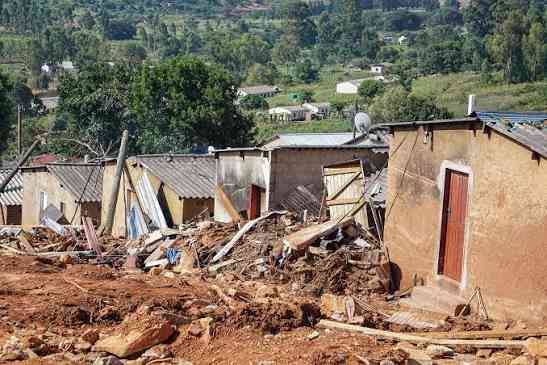
CLIMATE change is no longer a distant threat but a daily reality for smallholder farmers who face erratic rainfall, prolonged droughts, floods, and rising temperatures.
At the same time, markets are evolving, with growing demand for traceable, sustainably produced, and high-quality agricultural products.
In this context, boosting farmers’ access to reliable climate information and premium markets is not a luxury but it is a necessity for resilience, productivity, and inclusive economic growth.
Access to climate information is the first critical pillar.
For decades, many farmers have relied on indigenous knowledge and experience to guide planting and harvesting decisions.
While this knowledge remains valuable, climate variability has made traditional patterns less predictable.
Seasonal forecasts, early warning systems, agro-meteorological advisories, and localised weather updates can significantly improve farmers’ decision-making.
When farmers know when rains are likely to start, pause, or end, they can choose appropriate planting dates, crop varieties and input levels.
- COP26 a washout? Don’t lose hope – here’s why
- Out & about: Bright sheds light on Vic Falls Carnival
- COP26 a washout? Don’t lose hope – here’s why
- Out & about: Bright sheds light on Vic Falls Carnival
Keep Reading
This reduces the risk of crop failure and prevents wasting of resources in an economy where inputs are expensive and credit is limited.
However, access alone is not enough.
Climate information must be timely, localised, understandable, and trusted.
Too often, forecasts are delivered in technical language or at a national scale that does not reflect local realities.
Strengthening collaboration between the Meteorological Services Department, agricultural extension officers, community radio stations, mobile platforms, and farmer organisations can bridge this gap.
When climate data is translated into practical advice such as “plant short-season sorghum in the next two weeks” or “delay fertiliser application due to an expected dry spell” it becomes actionable and valuable to farmers.
The second pillar is access to premium markets.
Zimbabwean farmers, particularly smallholder farmers, are largely trapped in low-value markets where they sell raw produce at farm gate prices that barely cover production costs.
Premium markets such as certified organic markets, fair trade schemes, climate-smart supply chains, export horticulture and structured value chains linked to agro-processors offer higher and more stable returns.
These markets reward quality, sustainability and consistency rather than volume alone. For farmers, this can mean better incomes, reduced vulnerability to price shocks and incentives to invest in improved practices.
There is a powerful synergy between climate information and premium markets.
Climate-smart production informed by accurate weather and seasonal forecasts improves quality and reliability, which are exactly what premium markets demand.
For example, a farmer with access to climate advisories can reduce aflatoxin contamination by drying grains at the right time, or maintain consistent vegetable supply through informed irrigation scheduling.
In turn, premium markets can justify the costs of accessing climate services, improved seeds, certification, and better post-harvest handling.
Yet, structural barriers remain.
Many smallholder farmers lack digital access, financial services, storage facilities, and collective bargaining power.
Women and youth farmers are particularly disadvantaged, despite being central to agricultural production. Addressing these gaps requires deliberate public and private investment.
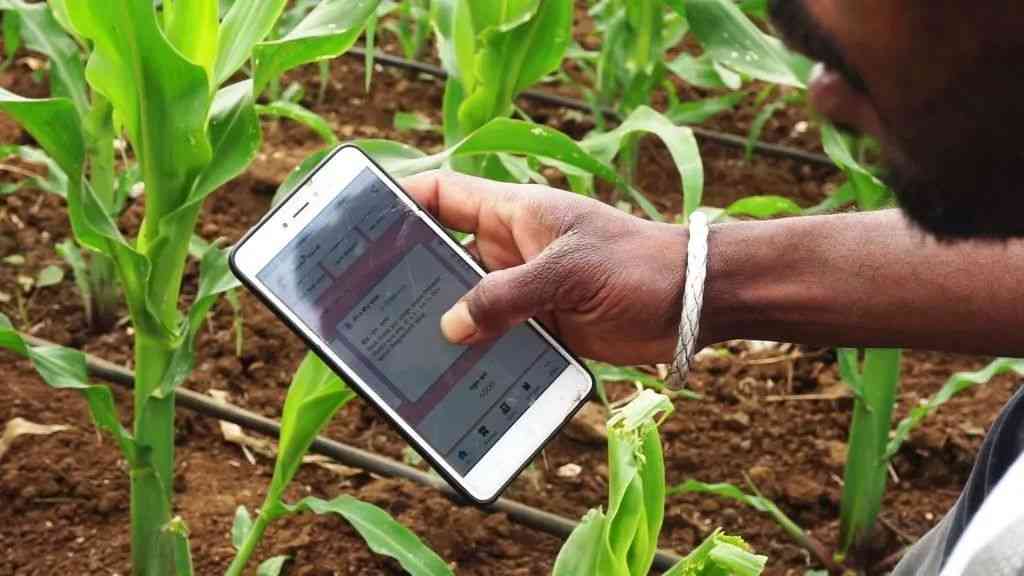
Digital climate services delivered via mobile phones, combined with affordable data packages, can reach even remote farmers. Strengthening farmer cooperatives can lower the cost of certification and improve negotiating power in premium markets.
Public private partnerships can link farmers to buyers while sharing risks and rewards more equitably.
From a policy perspective, aligning agricultural, climate, and trade strategies is crucial.
Climate information services should be embedded within national adaptation plans and extension systems, rather than treated as standalone projects.
At the same time, market policies should encourage value addition, traceability, and local agro-processing.
When farmers see a clear pathway from climate-smart production to better-paying markets, adoption of new practices accelerates.
The benefits of boosting farmers’ access to climate information and premium markets extend far beyond individual households.
For Zimbabwe, this approach supports national food security by stabilising production in the face of climate shocks. It reduces reliance on food imports and emergency food aid, freeing up scarce foreign currency.
Higher farm incomes stimulate rural economies, creating jobs in transport, processing, storage, and marketing.
This is particularly important in a country where rural livelihoods support the majority of the population.
There are also environmental benefits.
Climate-informed farming encourages efficient use of water, soil, and inputs, reducing land degradation and emissions.
Premium markets increasingly demand sustainable practices, which can accelerate the transition to agroecology and climate-smart agriculture.
Over time, this strengthens ecosystem services such as soil fertility and biodiversity, making farming systems more resilient.
Socially, improved access can narrow inequality.
When smallholder farmers especially women and youth are connected to information and markets, they gain agency and bargaining power.
This contributes to poverty reduction, improved nutrition, and better educational and health outcomes at household level.
In a broader sense, it reinforces the dignity of farming as a viable and respected livelihood.
Critically, Zimbabwe already has many of the building blocks in place: a strong tradition of farming, growing mobile phone penetration, expanding interest in organic and niche markets, and increasing awareness of climate risks.
What is needed is coordination, scale, and sustained investment. Donor-funded pilots must transition into nationally owned systems that serve farmers consistently, not just during project cycles.
Boosting farmers’ access to climate information and premium markets is one of the smartest investments Zimbabwe can make in its agricultural future.
It transforms climate change from a constant threat into a manageable risk, and agriculture from a survival activity into a driver of economic recovery.
By connecting forecasts to fair prices, Zimbabwe can empower its farmers, strengthen its economy, and build a more resilient and sustainable food system for generations to come.
*Gary Gerald Mtombeni is a Harare based journalist. He writes here in his personal capacity. For feedback Email [email protected]/ call — +263778861608