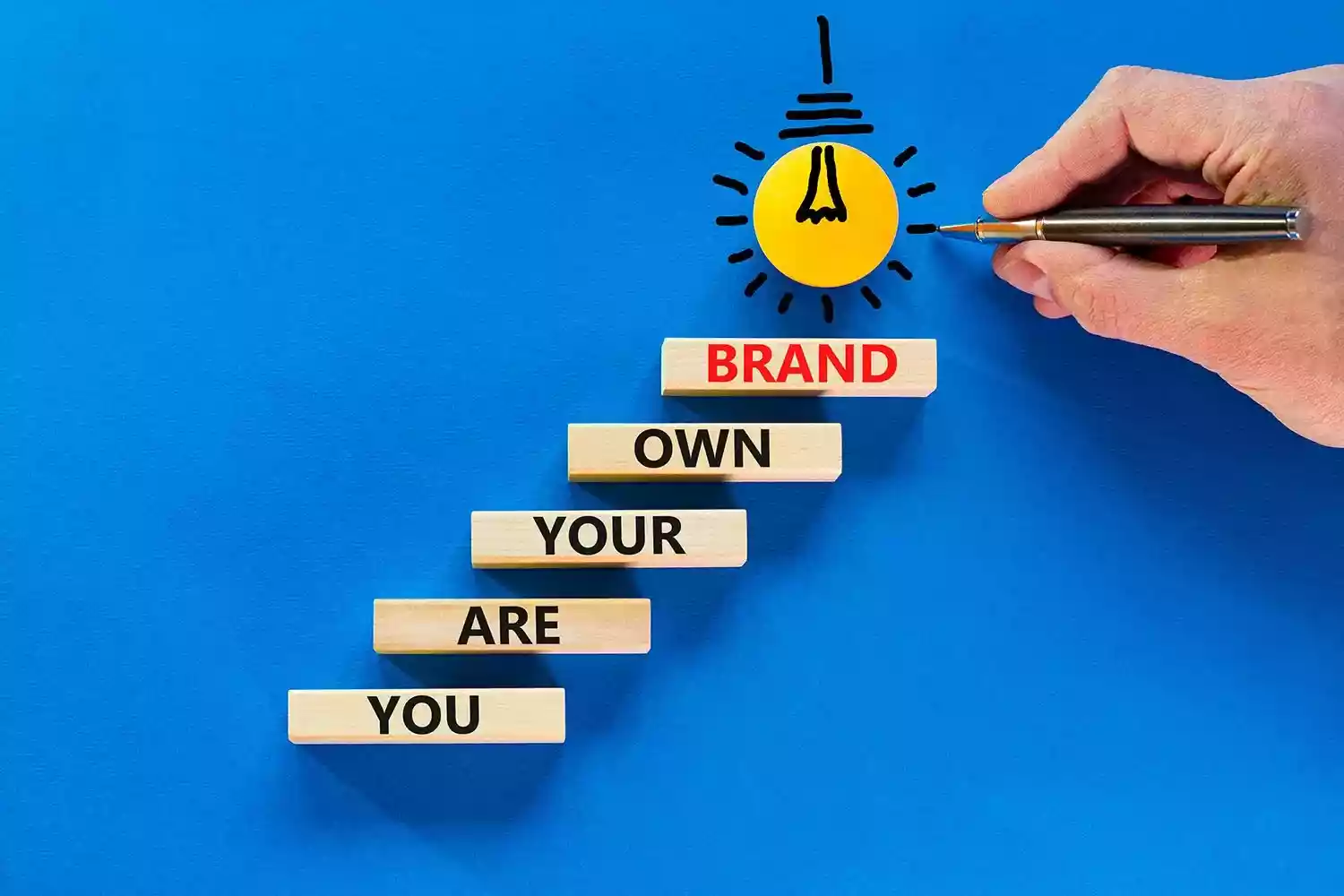
Branding is increasingly becoming strategic for tourism entrepreneurs. Its role in the operation of small businesses has shifted from being functional to emotional.
Brands are now considering cognitive and personalisation elements to deliver a customised experience rather than merely presenting logos and colours. All managerial functions of a business have been revolutionised through brand reconfiguration.
Our tourism entrepreneurs should realise that tourism is now considered a product in nature, with mass production resulting in more intense competition than at any time before.
Hence, brands for tourism businesses are not only for differentiation but also for communicating purpose, value and experience as offered through tourism.
Going forward, it should be recognised that branding is everything in the setting of a business. In marketing, brand management is increasingly incorporating other elements to achieve transformative visibility through innovation.
Digitalisation is another aspect that has enabled tourism marketers to connect more easily with the emotions of potential tourists, fostering a rewarding social exchange.
At the same time, branding through digitalisation has reoriented some characteristics of tourism as a service, turning intangibility into tangibility through video augmentation and other add-ons inspired by Artificial Intelligence (AI). Selling and evaluating a service is now easier than in the past.
Through a properly configured brand mix, our SMEs operating in the tourism sector are now able to make their offerings more attractive than at any time before (even when potential tourists await a moment of truth).
- Business opinion: Managing brand content online
- In Full – Zimbabwe 42nd Independence Day speech by President Mnangagwa, April 18, 2022
- Which innovations are driving PR in 2022 and beyond?
- Business opinion: Branding through Artificial Intelligence
Keep Reading
Through progressive discussions with fellow entrepreneurs in the sector, we realised that there is a need to revisit branding mixes for tourism businesses.
Here, we talk about bringing the consumer and the brand together through a prescription of some tourism brand mixes (though not a one-size-fits-all approach).
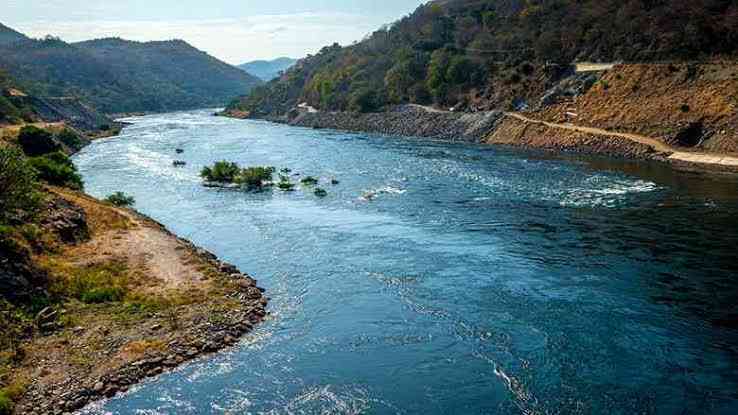
Tourism encompasses many aspects of the recreational experience, but the existence of a “place” is a critical component of the tourism brand mix (a central pivot, to say).
Whether the SME operator is in accommodation, travel or resort, they all belong to a place.
Our role as thriving entrepreneurs is to develop a tourism brand that speaks to a place and its attractiveness.
Imagine we are turning our social infrastructure and amenities into litter-strewn jungles that destroy the aesthetic goodness of a place. This is a drawback in the branding of tourism operations.
Yes, most SMEs have tied their brand identity and elements to Zimbabwe’s most popular world heritages, including Victoria Falls and Great Zimbabwe. These have been overused and are becoming common in the market (making every tourism-related brand almost similar).
Yet we agree that a successful brand is one that is unique. As shared in the previous edition, there are some unique, little-talked-about places around the country to refocus on for variety and brand differentiation.
Let us move in that direction for growth and continued visibility amongst the global best. Every place in a tourism destination should tell its unique story as a brand mix element.
The key task for our tourism entrepreneurs is to find the place(s) that connect with your specific brand orientation. Of course, some of our SMEs have made it by relating their brand visibility to some unimaginable scenic and adventurous places in the Eastern Highlands. We can follow the same bandwagon and be successful.
Also, as a reflection, the “product” is a critical element in building a successful modern tourism brand.
From a broader perspective, there are various tourism products across almost all destinations in Zimbabwe and beyond, including physical items such as attraction facilities, infrastructure, and transport that support a safe and enjoyable stay. Imperatively, the operator’s brand mix should speak to these elements and convince any potential tourist that everything is under control.
These can be further enhanced through synergies and collaborations for innovation, making these products more attractive and readily available at any point of consumption.
Every SME should know where it belongs in the range of products offered as part of the whole tourism value/supply chain. Mostly, we have seen hotels, restaurants, tourist centres, theme parks, entertainment and sports activities, shopping, and casinos.
If operating in one of these, it is high time to comply and be accredited as a tourism player in Zimbabwe (towards collaborative destination branding).
It is not only about having the product but also about attractive packaging that is acceptable/expected by tourists, developed through consultation with key stakeholders and extensive market research.
Many times, we forget to consult the customer when packaging our tourism products and assume they will sell like any other.
We should bear in mind that most tourism products are perishable and seasonal, hence their packaging is distinct.
As a way forward into refining the tourism product and its packaging, we have to move away from traditions and other new types to support the tourism brand mix from a product perspective, such as health and religious tourism.
In the traditional/generic marketing mix, “promotion” has long been regarded as a key driver of extensive brand publicity.
This remains true in the brand mix of our tourism operators. We have also discussed this in previous editions.
ur business operators in the Zimbabwe tourism industry should redress and configure their promotional mixes for specified target audiences to achieve real brand visibility.
In the past, tourism promotion has been limited to the elite of our societies. In the current operations of our entrepreneurs, there is no need to be restricted, since everyone is now a potential tourist.
Our promotion should target almost everyone (with different packages for different groups).
As home-grown players, we should appreciate and promote our brands to domestic tourists as we go global. It should be remembered that publicity matters most in the tourism brand promotion mix, especially in reaction to the negative image that is likely to follow our enterprising.
Pricing is another key cog in the tourism brand mix. Globally, it is evident that the price charged for a tourism brand relates to the quality and value perceived by the market.
Tourists look for value for money through satisfaction.
Our SMEs operating in this sector should be able to evaluate and elevate themselves from general to supreme brands, as reflected in their pricing.
The price charged for these offerings should be commensurate with the value offered.
People are also a critical cog, as previously mentioned, especially in Zimbabwe, where the tourism destination is renowned globally for its intellectual capacity, providing highly qualified managers and employees for the tourism industry.
The tourism brand mix needs to be infused with reputable professionals who are highly qualified for their jobs.
This results in improved SME brand recognition from a human resources perspective.
Most activities in this industry are technical, requiring specialised skills, such as those of chefs.
Some patrons come to eat at an establishment simply to follow a popular chef for certain dishes. Think about this as you position your brand(s) too.
After all is said and done, the tourism brand mix is not complete until we develop efficient processes for service delivery.
The time taken to provide a service to visitors affects brand reputation, either positively or negatively. Importantly, there is a need to avoid delays so that the brand is known for efficiency and attracts repeat business through word of mouth.
Till then, I leave you with the words of Scott Cook, “A brand is no longer what we tell the consumer it is—it is what consumers tell each other it is.” What customers say about our brand when we are not there matters most!!!