What abilities do we have? What abilities do we seek to develop in our children? What is the greatest ability? We will no doubt immediately think of sporting or academic ability as that is on what we tend to rank people - on their ability (rather than on their attitude). We will also want to add to those abilities, musical ability, acting ability, debating ability, singing ability, leadership ability but interestingly there are numerous other abilities that we should not ignore. These are abilities we recognize and reward in our schools.
However, have we not forgotten other abilities? What about affordability, adaptability, advisability, accountability, approachability, attainability? What about culpability, desirability, dependability, excitability, impenetrability, imperishability, inevitability, instability, irritability, or liability? Then there is probability, profitability, reasonability, respectability, responsibility, stability, stickability, variability and even bouncebackability. They are all important abilities, are they not?
When we look at the significance of words, sentences, speeches, letters, it is often not so much what is seen that is important but what is not seen. So, here is an interesting thought: why is there no such word as failability, loseability, or even succeedability (prescriptive text in this Word document is screaming out in the background confirming that there is no such words!)? In addition, we may well ask: what other key ability is not mentioned? As a clue, let us just say that it is a veiled ability, one that is not directly expressed.
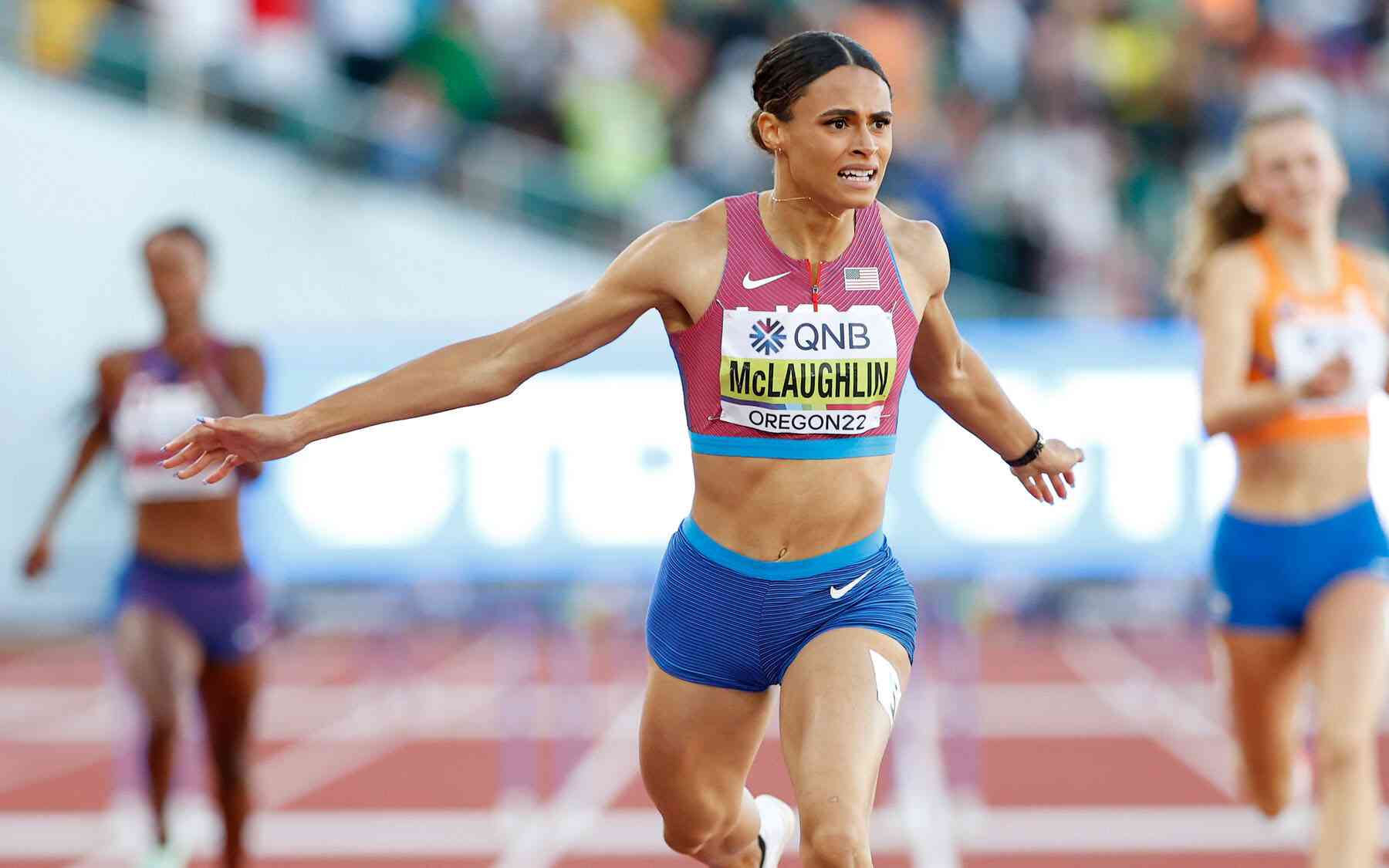
Sydney Michelle McLaughlin-Levrone is a young lady with an incredible ability, very noticeable, especially in sport. She is, as many will know, the world record holder for the women 400 meters hurdles, including the winner of numerous Olympic and World Athletics Championships gold medals. However, she highlights a crucial ability that is indeed missing from that list. In an article published in the Telegraph newspaper in the UK in October 2025, she is quoted as saying that her coach, Malachi, “always says the best ability is availability.” He is, of course, quoting a common citation used in leadership and personal development, “The greatest ability is availability”. But that is the big question – of all the abilities (and look again at all those abilities listed at the top of this article) that are available (excuse the pun), why is availability the greatest ability, greater even than talent? What is this quality that goes by the name of availability?
Availability is often defined as being present, teachable, and ready, ready and willing, in particular, to serve. It is encapsulated in Isaiah’s simple statement [in Isaiah 6:8], “Here I am, Lord; send me”. Send me, use me, teach me, change me, take me, lead me. It is saying we are flexible, we are not set in our ways. We want to learn, to serve, to improve, to grow.
In school sport, we should be instilling in our children the willingness to play in any position, any sport. The child who is willing to sit on the bench even or to be substituted during a game (if it means the team has more chance to win) without complaining is a wonderful asset. The child who is willing to collect the balls, the kit, the weaker player – she will go far. She will be selected.
And what about coaches in our schools? Are they willing to coach the B or C teams, or the youngest ones? Are they willing to coach a sport that is not their favourite or the most popular, visible sport in the school, if it will help the children and the school? Are they willing to stay back and listen to a child’s fears and concerns or even stories? Do they have the greatest ability and do they recognize and encourage the greatest ability? Will anyone stand up and say, “Here I am, boss; send me”?
It is interesting that when a speaker in a Primary School Assembly or classroom asks for a volunteer just about every hand shoots up into the air – even when the children have no idea for what they are volunteering! They are available for selection, begging for the speaker to choose them. Yet by Secondary school and thereafter it is much harder to find a volunteer – they become less available. It is as if they will only do it if it suits them. It is as Stevie Wonder once said: “We all have ability. The difference is how we use it.” Availability is a veiled ability; it is time we took off the veil and let it be seen widely in our children. Who will do that? Who is available?
- Katai fails to make the cut but …
- Let’s not leave people living with disabilities behind
- Mystery of expectation
- Let’s not leave people living with disabilities behind