Africa’s paradox is obscene. A continent endowed with natural resources worth trillions of dollars remains ensnared in poverty.
From sprawling communal lands to glittering diamond fields, Africans are not dispossessed squatters but nominal custodians of wealth.
The contradiction is not one of scarcity, but of sovereignty, of land without title, diamonds without control, and oil without beneficiation. Abundance truly exists, but real empowerment is denied.
This ridiculous reality reveals the unfinished nature of the revolution for independence, where six decades after liberation, Africans remain trapped in colonial afterlives where ownership is symbolic, not sovereign.
Land is plentiful but untitled, diamonds, copper, gold and other minerals are mined in abundance but marketed through monopolies that enrich foreign capital, and oil flowing beneath African soil is extracted by outsiders but refined elsewhere.
Governments, even after political independence, have continued to preserve colonial property regimes, leaving rural Africans rich in inheritance but poor in capital.
The tragedy is not a lack of resources but a lack of instruments to convert them into wealth.
Title deeds, beneficiation, and sovereign control remain elusive, and until Africans wrest control of land valuation, ownership, and trade, the continent will remain hostage to colonial constructs, condemned to watch its inheritance enrich others while its own people languish.
- Zim headed for a political dead heat in 2023
- Experts downbeat as Ncube cuts GDP forecasts
- Record breaker Mpofu revisits difficult upbringing
- Tendo Electronics eyes Africa after TelOne deal
Keep Reading
Millions of rural families sit upon fertile ancestral land that has no title; therefore, the ownership of land is ceremonial, making it economically sterile.
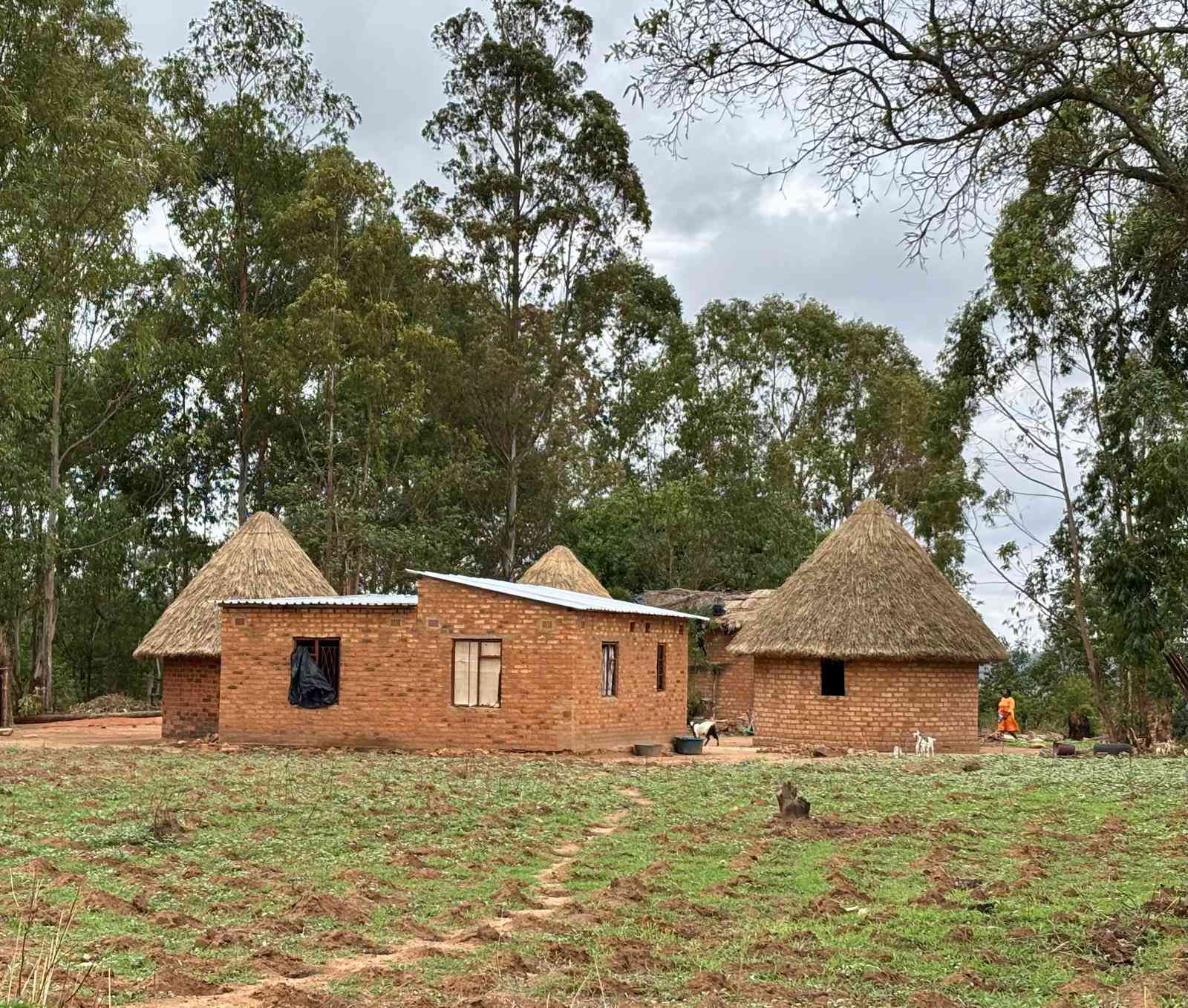
Ownership without power cannot unlock credit, attract investment, or empower custodians.
Colonialists understood the alchemy of title that deeds transformed land into collateral, collateral into capital, and capital into empire, and Africans were intentionally left as custodians of “valueless” inheritance.
Post-independence governments failed to recalibrate this system, and as a result, land remained abundant but untitled, remaining more as an inheritance ritual rather than bankable capital.
As a result, poverty persists not because land is absent, but because title is absent, and until title is wrested from the ceremony and reassigned as capital, Africa will remain grotesquely rich in land yet bankrupt in wealth.
The Kimberley Process (KP), conceived to halt “conflict diamonds,” has become one of Africa’s cruellest ironies. Far from safeguarding communities, it shields global markets and luxury brands. Its flaw lies in a narrow definition of “conflict,” excluding human rights abuses, state violence, forced labour, and environmental devastation.
Diamonds mined under authoritarian regimes or corrupt networks can still be certified “conflict-free.”
Decision-making is dominated by powerful states and corporations, while African producers remain marginalised. Africa supplies the stones, but others dictate rules, set prices, and reap profits.
The process, therefore, legitimises smuggling, enables corruption, and siphons billions away from African treasuries. For miners and communities, it is betrayal, a global alibi allowing consumers to believe they buy “ethical” diamonds while custodians remain trapped in poverty.
Until Africa demands a process centred on human rights, sovereignty, and beneficiation, the continent will remain hostage to a system protecting markets, not people, brands, not communities and illusion, not justice.
De Beers constructed its monopoly through ruthless consolidation, dictating terms to African governments and shaping the destinies of entire economies.
What appeared to be stability in the diamond trade was, in truth, dispossession concealed beneath the veneer of order.
Economic sovereignty was the first casualty. Botswana, South Africa, Namibia, and Zimbabwe supplied the stones, yet pricing and marketing were dictated from London.
Profits flowed outward to foreign capitals while only meagre royalties trickled home.
Local value addition was deliberately denied; that is, cutting, polishing, and marketing, the most lucrative segments of the industry, were carried out overseas, excluding Africans from the high‑value chains that could have transformed their economies.
Botswana, ironically, is often celebrated as Africa’s diamond success story, yet beneath the veneer lies a sobering irony that its largest taxpayer remains beyond absolute control.
Diamonds are marketed through Debswana, a joint venture with De Beers, under the rigid sight‑holder system.
Though Botswana owns half of Debswana, it lacks authority over sales. GDP hovers around US$20 billion, respectable by regional standards, but far poorer than it should be given the scale of the country’s diamond deposits.
Botswana has achieved relative comfort, schools, roads, and a functioning bureaucracy, but not the transformative wealth that befits its annual diamond sales.
Unlike the Gulf States, which leveraged oil into geopolitical mastery, Botswana remains constrained, its prosperity capped by monopoly power. Comfort has been achieved, but sovereignty remains denied.
Saudi Arabia, Qatar, and their neighbours grasped sovereignty from the outset, through control over extraction, processing, and sales became the engine of their prosperity.
Oil wealth was harnessed to benefit citizens, build infrastructure, and project power. Saudi Arabia sells oil freely under advantageous terms, unbound by monopolies, and this freedom has transformed it into a geopolitical heavyweight.
By contrast, Botswana, despite decades of diamond exports, remains constrained. Its diamonds are marketed through De Beers, leaving the nation’s prosperity capped and restricted.
Where the Gulf States leveraged sovereignty into prosperity, Africa surrendered sovereignty to monopolies, with devastating consequences: a continent rich in resources yet impoverished in empowerment.
Africa’s poverty is not fate; it is political failure. Decades after independence, governments have failed to consolidate wealth from vast resources, leaving Africans trapped in colonial afterlives of symbolic ownership.
Land remains untitled, diamonds under foreign sovereignty, and monopolies are unaccountable.
Dependency masquerades as inheritance and abundance is stripped of empowerment.
The lesson from the Gulf States is unmistakably stark: resource sovereignty is destiny.
Nations that seized control of their oil have transformed themselves into powerhouses, yet Africa, in contrast, surrendered sovereignty to monopolies and outdated legal frameworks, condemning its people to poverty amidst plenty.
This unfinished revolution now belongs to the younger generation.
Millennials and Gen Z must refuse to inherit poverty disguised as heritage by demanding title deeds for ancestral land, dismantling monopolies, and redefining valuation systems long monopolised by outsiders.
They must also challenge the tyranny of Roman-Dutch law and other colonial dictates that still deny Africans the instruments of empowerment.
The task is not reform but reclamation, a reclamation of sovereignty, ownership, and destiny.
Africa’s future will not be secured by comfort without control or inheritance without empowerment.
It will be secured when the youth rise to wrest sovereignty from ceremony, convert abundance into capital, and ensure that land and minerals finally serve their people.
Leaders must unlearn the bad habits of mortgaging Africa’s resources for a pittance, and instead embrace a new ethic of stewardship rooted in justice, dignity, and accountability.
The revolution is unfinished, but its completion lies in the hands of a generation unwilling to be custodians of symbolic wealth.
They must be architects of real sovereignty, builders of a continent where abundance is not illusion but empowerment, where inheritance is not ritual but capital, and where Africa’s resources are finally harnessed for the prosperity of its own people.
*Wellington Muzengeza is a political risk analyst and urban strategist offering incisive insight on urban planning, infrastructure, leadership succession, and governance reform across Africa’s evolving post-liberation urban landscapes.