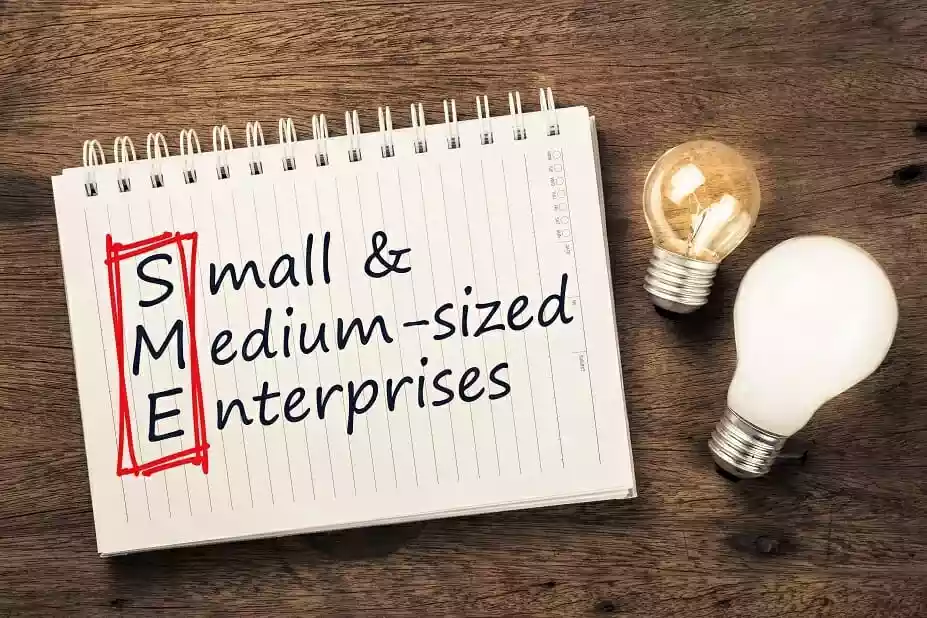
This is a movement towards a holistic approach to leadership by entrepreneurs to ensure their business viability into the unforeseeable future.
It is mainly based on the fact that humans are a critical and uncontrollable cog in any production, especially in the service sector, which is increasingly becoming dominant in the progressive global village.
Even with the advent of contemporary digital technologies, any transformation guided by excellence in leadership should consider human resources pivotal.
There is a need for our SMEs to be innovative to build a productive workforce that is not only motivated but also prepared to go beyond excellence towards sustainable growth.
Across the globe, with a focus on Zimbabwe’s trajectory towards sustainable growth, SMEs have proven critical to job creation.
Hence, it is no longer sufficient to model human resources practices with a focus on big corporates alone; small businesses must also be considered, as they follow the same path.
Leadership starts even with the owner, and in some cases, even within family businesses.
In our focus on innovative human relations as a rare practice among SMEs, we have discovered that it is one of the many reasons derailing sustainable growth of these businesses.
- In Full: eighteenth post-cabinet press briefing June 28, 2022
- Ex-UK envoy roasted over ED links
- Letters to the editor: PVOs Bill must be shot down
- EIA frequently asked questions
Keep Reading
Many Zimbabwean SMEs struggle with stagnation, limited employee empowerment, and low innovation output, often due to leadership styles that rely on rigid control, transactional reward systems, and a short-term operational focus.
There should be a paradigm shift, as advocated by this edition, from transactional leadership to transformational leadership.
As proven in various settings across the globe, transformational leadership is a cornerstone of business competitiveness, as it inspires employees to exceed expectations, cultivates innovative mindsets, and nurtures a culture of continuous growth.
Transformational leadership brings into practice critical elements for positive change in our SMEs through idealised influence, inspirational motivation, intellectual stimulation, and individualised consideration.
These are critical aspects of human resources development, as they attract, retain, and empower top talent.
Yet this remains a dream in the practice of our SMEs, even among larger corporates. It is a reminder that the closest customer to your business is the employee.
Gone are the days of treating an employee as a liability, as it has been proven to be an asset that goes beyond being an instrument for production or service provision to an interface for future shareholding.
Businesses that have become best global brands have treated their employees as partners.
Transformational leadership goes beyond the employee to stimulate customer attraction and loyalty through continuous innovation.
Employees will be eager to do more than assigned, being innovative at each level of the value chain. In the end, it builds long-term organisational resilience and relevance.
Global cases of such achievements include Microsoft’s resurgence and Apple’s long-term innovation strategy, both spearheaded by transformational leadership in action.
We then take a deep dive into the core characteristics of transformational leadership as follows:
Idealised influence: This is when the entrepreneurial leader demonstrates ethical conduct, bold vision, and personal integrity, so employees feel proud and motivated to follow.
Many of our entrepreneurs are found wanting, as they present themselves and react to their followers with discouragement in these aspects.
They cause worry, insecurity, and a sense of directionlessness in their employees through transactional threats rather than transformational encouragement.
Inspirational motivation: A leader in an entrepreneurial business should be able to communicate a compelling future, something beyond daily tasks, inspiring employees to invest emotionally in organisational goals.
The workplace should become a home where employees feel loved and valued for the organisation's bright future.
Their views, opinions and suggestions should be considered, with encouragement and positive correction where needed, rather than imposed. It takes two to tango, the leader and the employee, for a satisfied customer.
Stimulate intellectually: Learning should be a culture for all employees, regardless of their level in the organisation's structure.
The SME owner should encourage questioning assumptions, exploring novel ideas, and experimenting to activate creative problem-solving.
Employees should follow a career path inspired by fairness in rewarding, promotion, and guidance, yet in our SMEs, it always goes by favour.
Offer individualised consideration: Not everyone is the same in terms of ability, task handling, reactions to matters, and other forms of engagement within a progressive organisation.
It is important for the SME leader to recognise personal strengths and development needs, mentor employees, and tailor growth opportunities. Most of our leaders use a one-size-fits-all approach, which discourages individual fullness in contributing to organisational success and growth.
It is through transformational leadership that an SME owner moves from a transactional relationship centred on standardised tasks, monitoring, and reward/punishment systems to one that encourages individual innovation for organisational sustainable growth.
We leave you to rethink and execute the prosperity of our modern business, inspired by transformational leadership.