Zimbabwe has a rich farming tradition, resilient smallholder farmers, and increasingly valuable experience in sustainable practices such as agroecology.
On the other, it continues to face recurring droughts, declining soil fertility, and the rising costs of inputs like synthetic fertilisers and hybrid seeds.
In this context, a shift toward enhancing crops’ natural capabilities is not just an environmental ideal it is a practical, necessary pathway to national food security.
At the heart of this approach is a simple but powerful idea instead of forcing crops to perform through heavy external inputs, farmers can work with nature to strengthen plants’ inherent resilience.
This includes improving soil health, promoting biodiversity, selecting adaptive seed varieties, and using organic methods that enhance natural growth processes.
For Zimbabwe, where many farmers operate on limited resources, this model is not only sustainable but also economically sensible.
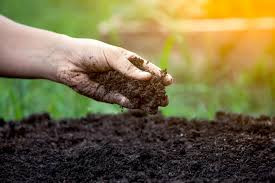
One of the most pressing challenges Zimbabwean farmers face is soil degradation.
Years of continuous monocropping and reliance on chemical fertilizers have depleted the soil of organic matter and essential nutrients.
- Zim farmers embrace agroecology
- Farmers urged to venture into agroecology
- Excessive fertiliser use and climate change
- Cultivating agroecology in Global South
Keep Reading
As a result, crops become weaker, more susceptible to pests, and less productive over time. Boosting crops’ natural capabilities begins with restoring soil health.
Practices such as composting, mulching, and crop rotation can rebuild soil structure and fertility.
Healthy soils, rich in microorganisms, enable crops to access nutrients more efficiently and retain moisture critical in a country frequently affected by erratic rainfall.
Closely linked to soil health is the concept of agroecology, which many Zimbabwean farmers have already begun adopting.
Agroecology emphasizes working with natural ecosystems rather than against them.
By integrating crops with livestock, planting cover crops, and encouraging beneficial insects, farmers can create self-sustaining systems that enhance productivity without heavy chemical use.
This approach strengthens crops from the ground up, making them more resilient to climate shocks.
Another key element is the use of locally adapted seed varieties. For decades, there has been a strong push toward hybrid seeds, which often promise higher yields but require significant inputs and are less adaptable to local conditions.
In contrast, traditional and indigenous seeds have evolved over generations to withstand Zimbabwe’s specific climate challenges.
These varieties often show greater tolerance to drought, pests, and poor soils.
By investing in seed preservation and farmer-led seed systems, Zimbabwe can empower farmers to cultivate crops that naturally thrive in their environments.
Water management is another area where boosting natural crop capabilities can make a difference. With climate change intensifying drought cycles, efficient water use is critical.
Techniques such as conservation agriculture, which minimizes soil disturbance and maintains ground cover, help retain moisture in the soil.
Deep-rooting crops and diversified planting systems can also improve water uptake and reduce vulnerability during dry spells. Instead of relying solely on irrigation infrastructure which can be costly and inaccessible these methods enhance the plant’s own ability to cope with water stress.
Importantly, this approach aligns well with the realities of smallholder farmers, who make up the majority of Zimbabwe’s agricultural sector. Many of these farmers cannot afford expensive fertilisers, pesticides, or irrigation systems. By focusing on natural methods, they reduce input costs while improving long-term productivity. This not only increases food production but also strengthens household resilience and livelihoods.
However, transitioning to this model requires more than just farmer initiative it demands strong institutional support.
Extension services must be reoriented to promote agroecological practices and provide practical training. Research institutions should invest in developing and documenting locally adapted farming techniques. Policymakers need to create incentives that support sustainable farming, such as subsidies for organic inputs or programs that encourage soil conservation.
Education and awareness are equally important. Many farmers are still influenced by the perception that high yields can only be achieved through chemical inputs. Demonstrating the success of natural farming methods through pilot projects and farmer to farmer knowledge sharing can help shift this mindset. When farmers see tangible results healthier crops, improved yields, and reduced costs—they are more likely to adopt these practices.
There is also a broader economic and environmental benefit to this approach.
Reducing dependence on imported fertilizers and chemicals can ease pressure on national foreign currency reserves. At the same time, sustainable farming practices contribute to environmental conservation by reducing pollution, preserving biodiversity, and mitigating climate change.
Healthy ecosystems, in turn, support agriculture, creating a positive feedback loop.
Critics may argue that natural farming methods cannot produce enough to meet national food demands, especially in the short term. While it is true that transitioning systems can take time, evidence from across Africa shows that agroecological practices can match or even exceed conventional yields over the long term.
More importantly, they provide stability ensuring consistent production even under challenging conditions. In a country where drought can wipe out entire harvests, resilience is just as important as yield.
Zimbabwe’s path to food security does not lie in copying industrial agricultural models that are often ill-suited to its context. Instead, it lies in harnessing what it already has: knowledgeable farmers, diverse ecosystems, and a growing movement toward sustainable practices.
By boosting crops’ natural capabilities, the country can build a more resilient, inclusive, and productive agricultural system.
Feeding Zimbabwe is not just about increasing output, it is about transforming how food is produced. Strengthening the natural abilities of crops offers a viable, sustainable solution that addresses both immediate challenges and long-term needs.
*Gary Gerald Mtombeni is a Harare based journalist. He writes here in his personal capacity. For feedback Email [email protected]/ call: +263778861608