Tourism is one of the most powerful economic assets available to any developing country, yet only a few fully convert natural advantage into sustained growth.
Those blessed with natural wonders, historic monuments, pristine beaches, or world-class outdoor adventures carry an immediate advantage. Yet in an era where travellers increasingly seek meaning over novelty, the real prize belongs to those that can weave nature, history, and human connection into a single, compelling journey.
Africa’s tourism industry is well established; however, its tourist footfall remains concentrated among a handful of dominant players.
From the classic safaris of the East, the elephant reserves of Botswana, the shared spectacle of Victoria Falls, Namibia’s iconic Skeleton Coast, and South Africa's vineyards and resort coastline.
While South Africa retains its position as the continent's leading destination, a group of ambitious challengers are closing the gap – and the most compelling is Tanzania.
Last year Tanzania saw a record 5.94 million visitors – a 10.7% year-on-year increase – generating a historic $4.4 billion in tourism revenue. That figure accounted for 17% of GDP and half of the country’s service sector revenues, a remarkable concentration for one industry.
Whereas in other tourist hotspots, like Kenya for example, the figure is closer to 7%. The government, to its credit, recognises the scale and has set an ambitious target of attracting 8 million international visitors by 2030.
What sets Tanzania apart from its African neighbours is the breadth of its majestic offerings.
- We were sad to see ED in Rwanda: Ndiweni
- Coal rush! Energy crisis fires global hunt for polluting fuel
- Tanzania's president urges women to have fewer babies
- Artistes sing against sanctions
Keep Reading
Most countries find themselves pocketed into either a scenic wildlife, vibrant and gold-sanded beach fronts or culture immersion, yet Tanzania is home to all three simultaneously. Like the dominant tourist hubs of the world of Europe and South-east Asia, Tanzania offers nature, history, sports, and ocean all blended coherently together.
Already a cornerstone of Africa’s safari industry, Tanzania is narrowing the gap with Kenya in regional wildlife tourism.
This is no surprise; the country is home to three of the continent’s finest safari reserves, and its protected safari areas far exceed those of its neighbour, though it has historically lacked comparable infrastructure and promotion.
The world-famous UNESCO-listed Serengeti National Park, synonymous with the African safari, draws up to 500 000 visitors a year.
Nearly 10 times larger than Kenya’s Masai Mara, it sets the stage for the annual Great Migration, when millions of wildebeest and zebra cross the plains. Nearby, the Ngorongoro Crater, offers the world's largest intact, unflooded volcanic caldera.
To balance the country’s northern circuit of visitor flows, the government recently committed $56 million to upgrading its southern safari circuit. Among this circuit sits Ruaha National Park, the country’s largest at 20 226 square kilometres, roughly the size of Wales and home to 10% of the world’s lion population.
This iS frontier safari territory, offering exclusive and raw wilderness that other places in Africa cannot.
In similar fashion, Tanzania is challenging South Africa for Africa’s premier hiking destination.
The mountain towns of Moshi and Arusha are the ‘Kathmandus’ of Africa, launch bases for expeditions up Mount Kilimanjaro and the hiking trails of the country’s pristine highlands.
These include routes around the volcanic Olmoti Crater, the lush jungle paths of the Usambara mountains, the challenging peaks of Arusha National Park, excursions up the active volcano of Ol Doinyo Lengai, and Udzungwa Mountain trail to the Sanje Waterfalls.
Tanzania has 22 national parks in total, and almost all of them offer dedicated hiking and guided walking safaris.
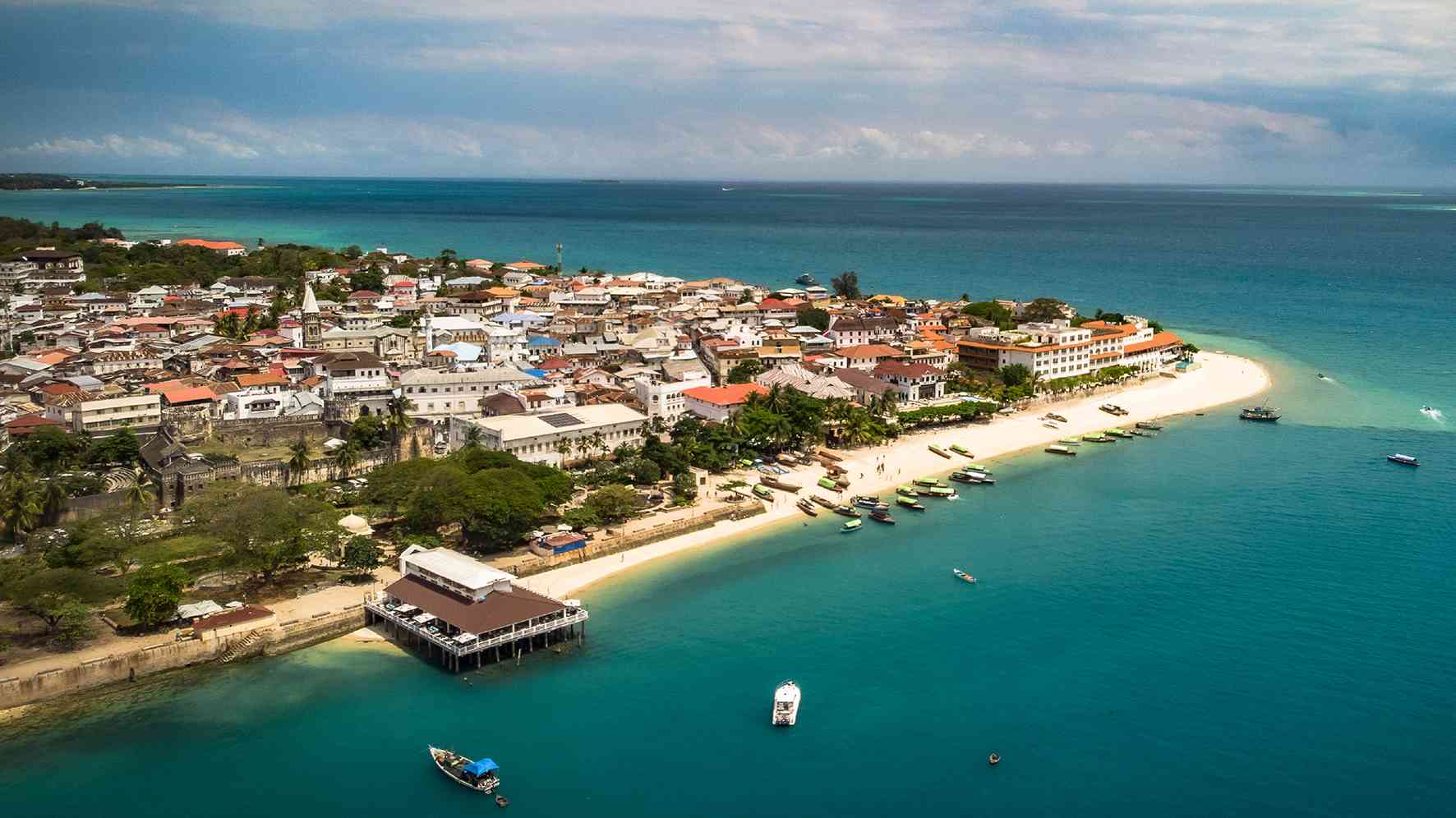
Then there is the Swahili coast, centred around the Zanzibar archipelago, one of the country’s most attractive destinations. Zanzibar combines unique beach resorts with the Indian Ocean’s best preserved urban landscape.
Stone Town’s mosques, fortresses, and coral-stone palaces hold the rich history of the Sultanate of Zanzibar and its trade networks.
There can be found Africa’s answer to the great coastal cities of the Mediterranean: Sicily and Goa all rolled into one.
Last year, Zanzibar received a record 917,167 international visitors, marking a 24.8% increase from the previous year, closely within reach of its one million visitor target.
The surge of visitor numbers last year, which saw the United Nations World Tourism Organisation (UNWTO) rank Tanzania 11th in global visitor growth in 2025, is the culmination of a wider recent trend, up 51% from pre-pandemic levels in 2019.
This transformation is in no small part down to a sustained effort by the government to upgrade the areas that held the sector back: infrastructure and publicity.
On infrastructure, the government has repaired eight airstrips, built three airports inside national parks, and expanded Air Tanzania operations up to 33 routes, focused on increasing intra-African connections including to Cape Town and Accra.
The nation’s connectivity has been further enhanced by its new railway projects, notably the Standard Railway Gauge between Dodoma and Dar es Salaam.
On publicity, President Samia Suluhu Hassan personally took part in a 2022 Royal Tour documentary – acting as the country's guide and ambassador – was a refreshing and creative piece of destination marketing.
The accompanying “Amazing Tanzania" campaign, featuring documentaries and goodwill ambassadors earned the country numerous global nominations for Africa's Leading Destination in the World Travel Awards.
If the government continues to succeed in its growth plans, Tanzania has a credible claim to becoming Africa’s premier destination. When combined with the country’s growing industrial base and booming agriculture exports, the economic transformation could be profound.