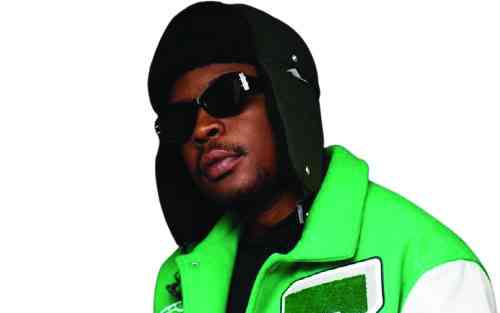
When American streaming phenom Darren “IShowSpeed” Watkins Jr touched down in Harare last week, millions of global viewers expected his signature brand of unscripted, high-octane chaos.
What they got instead was a meticulously curated tour of the government’s “Second Republic” trophy projects, leading many to question if the 20-year-old’s visit had been hijacked by a Zanu PF political PR machine.
From the shadow of the Mbuya Nehanda statue to the asphalt of the newly minted Trabablas Interchange, the “IRL” (in real life) stream — usually a bastion of raw spontaneity — felt uncharacteristically steered.
Speed, known more for barking at fans and his obsession with footballer Cristiano Ronaldo than for geopolitical interest, found himself cast as an unwitting brand ambassador for Zimbabwe’s state-led infrastructure drive.
The tour began at the Mbuya Nehanda statue in the CBD.
While intended to showcase national heritage, the encounter felt staged.
Speed was introduced to a sangoma whose fortune-telling was suspiciously focused on the immediate present rather than ancestral insight.
Critics noted her Westernised accent and presentation lacked authentic Zimbabwean “cultural DNA”, though she managed to assign Speed the Shumba (Lion) totem — a move likely intended to build a rapport with the local audience.
- Zemura offered a pay rise at Bournemouth
- The Soccer Whiz: The renaissance of the twilight years!
- School of sport: Celebrating celebrations
- Out & About: Davido, Focalistic fall on CKay’s wave
Keep Reading
The Shumba totem is also linked to President Emmerson Mnangagwa’s totem — Shumba Murambwi.
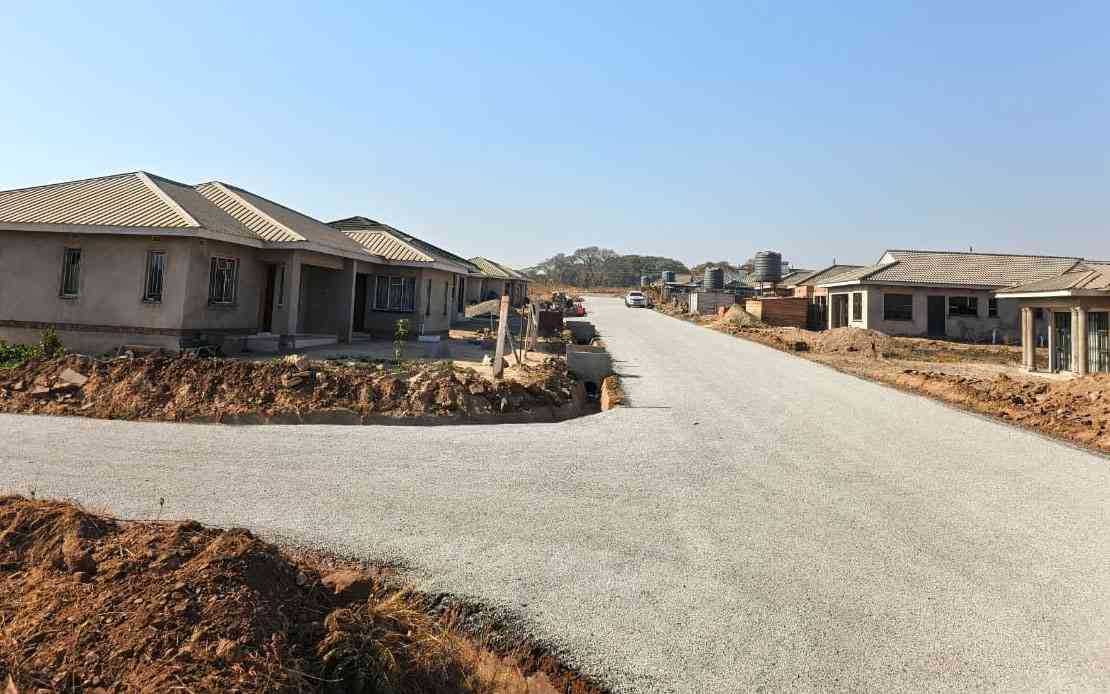
A significant portion of the stream was dedicated to a long drive to the newly commissioned Trabablas Interchange.
The interchange is named after President Emmerson Mnangagwa’s liberation war pseudonym (“Trabablas”).
While Speed staged a strength competition there — racing “Africa’s Strongest Woman” by pulling cars and lifting tires — these activities had no inherent link to the location.
The site was chosen specifically to force the infrastructure into the camera frame.
Speed himself grew impatient, repeatedly asking his guide, Chief Ben, why the drive was taking so long.
For an American used to massive highway systems, the attempt to “flex” a single interchange felt out of touch and purely for the benefit of Zanu PF’s “success story” narrative.
The tour then moved towards the Mabvuku Ground Number One for a football match, passing through the Msasa (Mabvuku) interchange — another active government project.
Here, the political branding became overt.
Speed was offered a jersey from Scottland FC by club secretary-general, a club heavily linked to the first family and Zanu PF-aligned businessman, Scott Sakupwanya.
The American, famously unfiltered, questioned why a Zimbabwean team was named “Scottland” and rejected the kit, preferring to stay in his Zimbabwean national soccer team jersey.
His lack of a briefing on the team’s political ties led to a moment of genuine awkwardness for organisers.
The attempt to integrate local “elites” into the stream continued when Chief Ben attempted to present Speed with a Nathan Mutasa jersey.
Mutasa is the son of socialite Pokello Nare, who has well-documented ties to the first family.
Speed’s refusal to wear the jersey served as a symbolic, if unintentional, rejection of the “dynastic” branding Zanu PF sought to attach to his brand.
The Zanu PF strategy appeared to be a “digital rebranding” exercise.
By placing Speed — a symbol of modern, youthful global culture — in front of Mnangagwa-named bridges and Zanu PF-linked football clubs, the party hoped to project an image of a thriving, modernising nation.
However, they underestimated Speed’s authenticity-first content style.
His visible boredom during long drives to construction sites and his refusal to swap his national team colors for partisan club kits highlighted the disconnect between a “viral moment” and a political campaign.