The Zimbabwe Music Rights Association (Zimura) is now at the centre of what is fast becoming one of the most serious governance crises in the country’s creative sector, with the Zimbabwe Music Union (Zimu) warning that the organisation may be veering dangerously away from its mandate to protect creators.
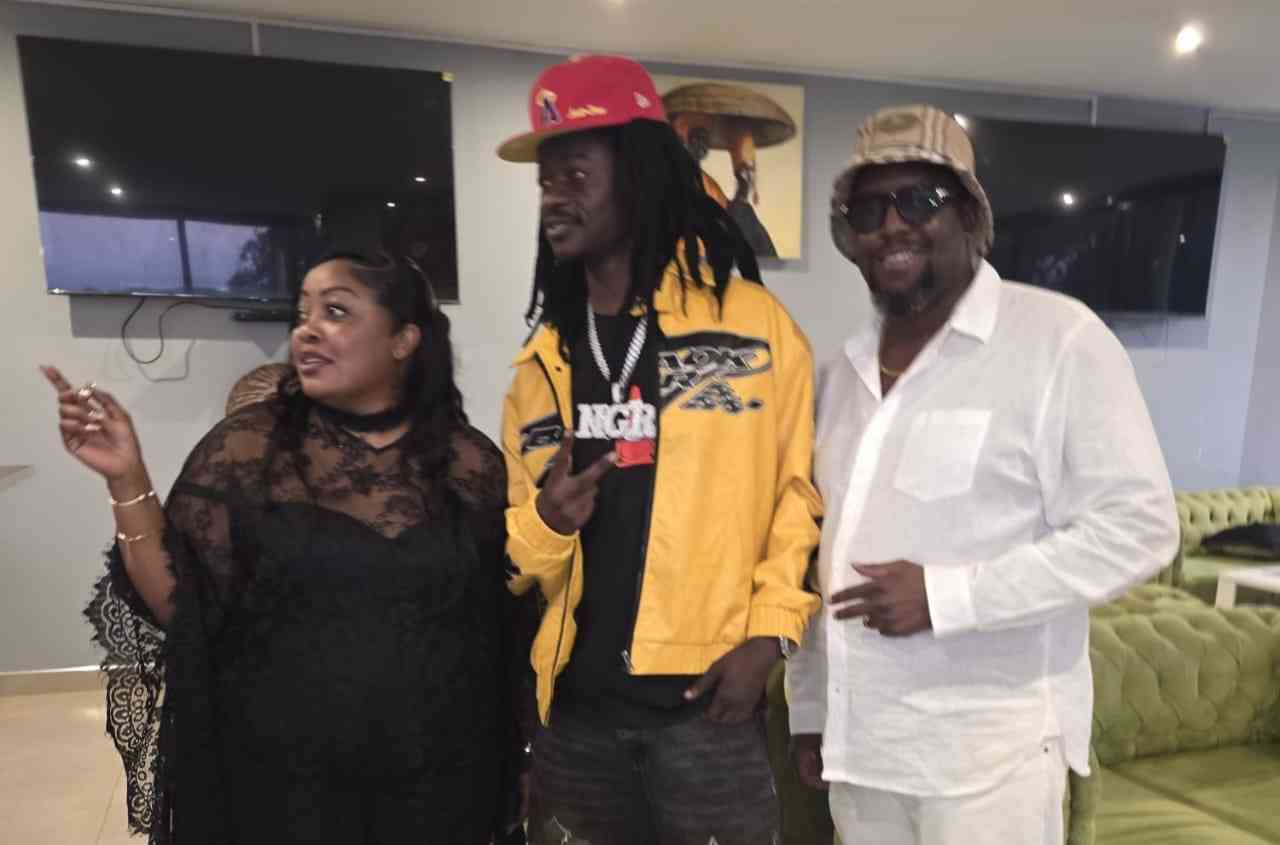
Veteran musician Enock “Nox” Guni on Friday also waded into the escalating crisis at the association, calling for the immediate removal of the management amid deepening governance and transparency concerns.
The intervention by Zimu and Nox adds significant weight to the growing unrest within the royalty collection body, which has been rocked by internal divisions, disputed decisions, and public fallout.
What began as a dispute over the sale of two residential flats in Avondale has morphed into a full-blown institutional power struggle — pitting sections of the board and their allies against what critics describe as an increasingly unaccountable management structure.
On January 12, Zimura issued a public notice seeking to correct what it termed misinformation about the disposal of its Avondale properties.
The association insisted it did not own an entire building, but rather two residential flats within a larger property.
Instead of settling public concerns, the notice detonated an internal crisis.
The following day, three board members — Dereck Mpofu, Joseph Garakara and Gift Amuli — publicly disowned the statement, describing it as “unauthorised”.
- Helping your teen develop good study habits
- DJ Tira takes Kadoma through Gqom lessons
- Social Commentary: Chiredzi villagers struggle with hunger, food insecurity
- DJ Tira takes Kadoma through Gqom lessons
Keep Reading
They argued that, by board resolution, all official communication must pass through the Communications, PR and Strategy Committee — a body chaired by Mpofu — which had not sanctioned the notice.
Their intervention did more than raise procedural concerns. It opened a Pandora’s box of questions about who is really in control at Zimura, how decisions are made, and whether proper checks and balances still exist.
The trio also flagged unresolved questions about a possible conflict of interest in the Avondale transaction — specifically whether a sitting board member may have been involved through an estate agency where they are employed. To date, those questions remain unanswered.
Rather than address the substance of the governance concerns, Zimura responded with a blistering counter-offensive, branding the three directors “rogue elements” allegedly co-opted into a broader scheme to destabilise the organisation.
“These rogue elements have disregarded the very internal dispute resolution mechanisms they were sworn to uphold,” Zimura said.
“We are currently documenting all instances of bad faith and will pursue the necessary legal remedies to protect the organisation’s reputation.”
The association further accused the trio of using “unauthorised channels” to spread falsehoods that undermine members’ collective interests — a claim their supporters reject as an attempt to silence legitimate oversight.
The most significant escalation came with the entry of Zimu, which has thrown its weight squarely behind the three board members and framed the dispute as a struggle for institutional integrity.
In a hard-hitting statement, Zimu said: “The disavowal of an unauthorised ‘Public Notice’ by the three directors reveals an alarming breakdown in governance and a management structure running without proper oversight.”
“The management seems to have gone rogue. This situation, if left unchecked, fatally compromises the integrity of an institution meant to protect creators.”
For Zimu, this is not merely a boardroom spat — it is a crisis that threatens the livelihoods of musicians whose royalties and rights depend on a functional, transparent Zimura.
Zimu has now laid out a clear and uncompromising set of demands including the immediate convening of an extraordinary general meeting of Zimura members as well as a forensic audit of Zimura’s finances, transactions and governance processes — including the Avondale flats sale.
The music union has also demanded the suspension of key management figures pending investigation and full accountability and transparency to members.
Nox said the current leadership at Zimura has lost moral authority to continue running the affairs of the association, accusing it of failing to protect the interests of ordinary musicians and rights holders.
“A director with a fraud conviction should not be trusted to serve us,” Nox said.
“We have been silent long enough. It’s time up gentlemen.”
Aligning himself with Zimu’s position, Nox said the crisis reflects a deeper rot within Zimura that has long disadvantaged artists.
“Please sort it out before we get involved, some of us like professional conduct, which is above board,” Nox said.
“I have been a member of Zimura for 23 years, add 16 albums on top of that, but I have received royalty payouts, which is less than the monthly salary of the Zimura director.”
Music critic and University of Zimbabwe lecturer Fred Zindi expressed concern that the ongoing infighting risks weakening Zimura’s credibility both locally and internationally, potentially affecting royalty collections and distributions.
“Let the newly elected board rule without interference. Sell the plot in Bulawayo and distribute the money among members,” Zindi said.
The Avondale flats controversy is increasingly being seen as symptomatic of a deeper institutional drift at Zimura — one in which management appears to operate with minimal board oversight, while dissenting directors are marginalised and publicly vilified.
Insiders describe growing friction between the board and secretariat over financial controls, decision-making authority, and access to information.
“The public branding of elected board members as ‘rogue’ has only intensified fears that Zimura’s internal checks and balances are effectively broken,” said one musician on conditions of anonymity.
“If Zimura’s governance continues to fracture, we risk delayed royalties, opaque licensing deals, and weakened bargaining power — precisely the outcomes they were created to prevent.”