Reggae, although imported from Jamaica, has been the cornerstone music of Zimbabwe since Bob Marley’s visit to this country in April, 1980.
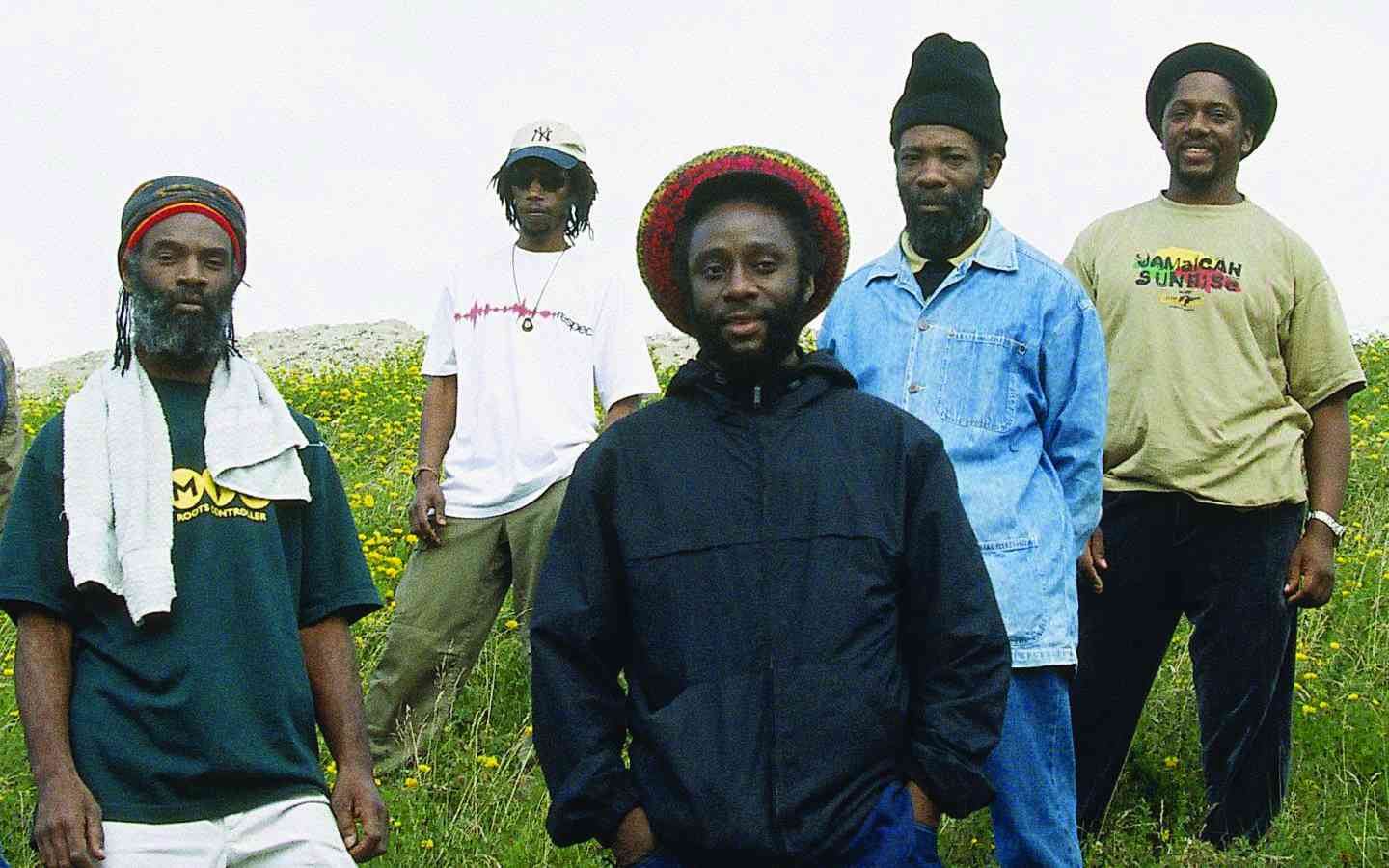
After 1980, several reggae bands from overseas came to give performances in Zimbabwe. These included Misty in Roots, UB40, Jimmy Cliff, Dennis Brown, Gregory Isaacs, Buju Banton, Luciano, Capleton, Sizzla, Coco Tea, Freddie McGregor, Aswad, Don Carlos, Mutabaruka, Fred Locks, , Jimmy Cliff, Dennis Brown, Gregory Isaacs, Buju Banton, Luciano, Capleton, Sizzla, Coco Tea, Fred Locks and Burning Spear, to mention only a few, all drawn by the country's massive reggae fanbase.
These visits highlight the deep connection between Jamaican reggae culture and Zimbabwe, fostering a vibrant local scene with artistes influenced by these international legends.
With this influence, after Bob Marley’s 1980 performance, artistes from Zimbabwe began to incorporate reggae sounds in their acts as the whole country was hypnotised by this new sound.
Some got the beat right while others cultivated it to sound different from Jamaican rhythms.
First on the scene was Transit Crew, a band which was formed by Misty in Roots’ drummer, Munya Brown who had stayed behind after the band’s visit to Zimbabwe..
Transit Crew has had a lot of manpower changes since 1984 when original members, Munya Nyemba, Samaita Zindi, Tendai Gamure aka Culture T (These three members have since died), Anthony Liba Amon, J.Farai, Mannex Motsi, Solomon Tokwe aka Rutsman Spice of Zion Ruts Family, Cello Culture and others who are still in or have left the band.
Then came the Pied Pipers with songs such as Reggae Sounds of Africa, Simukai, and We Go Say which became very popular in Zimbabwe.
- Edutainment mix: The artist in the child policy formulation context
- Edutainment mix: The artist in the child policy formulation context
- In the groove: Bob Marley continues to rule from the grave
- Mambo Chivero Zim’s new mbira music ambassador
Keep Reading
Other groups who wanted the genre to change such as the Zig Zag Band decided to call it Chigiyo Music.
In Mutare, Reggae Manyika was formed. Then came Assegai Crew of Mai Bhoyi fame with a slightly different version of reggae music. These groups were all involved in their own versions of Roots Rock Reggae.
Some of them just relying on copyright reggae from Jamaica. Because the genre was so popular, even Zimbabwe’s top acts ended up writing some reggae songs. One such example is Oliver Mtukudzi who wrote Ghetto Boy and gave it a reggae rhythm. Other groups included Seven Seals Crew and House of Stone.
When dancehall became popular in Jamaica, after Bob Marley’s death, Zimbabwean artistes also began to emulate it and called it Zimdancehall to make it sound different from Jamaican dancehall.
This has now evolved to what it is now; from Winky D, Nutty O, Jah Bless, Seh Calaz, Silent Killer, Voltz JT, Saintfloew, Simba Tags, Holy Ten, Killer T, Soul Jah Love, Poptain, Cello Culture, Freeman HKD, Enzo I Shall to Tocky Vybes and many others.
Come 2026, it looks like Roots Rock Reggae is dead in Zimbabwe. The reggae bands mentioned above except Winky D, which are still in existence are relegated to small venues. They don’t attract large crowds anymore. They do not have huge fan bases either.
That brings me to asking the question: Is reggae music in Zimbabwe dead?
I cannot give you an answer to this question because everywhere I go, I hear reggae still being blasted from car radios.
In 2025, reggae in Zimbabwe was still hanging in. As artificial intelligence infiltrates music, the genre’s handmade imperfections are more crucial than ever. You cannot name five active reggae bands in Zimbabwe today, yet other genres such as Sungura, Hip-Hop and Zimdancehall are flooded with artistes.
The iconic Zimbabwean reggae rockers and their music will literally be dead in the next decade or so. Mark my words. But what do others think?
“When the rub-a-dub reggae thing hit Zimbabwe in the 1980s, the whole country ‘s youth were spellbound and thought it was cool to be a reggae lover as evidenced by the wearing of dreadlocks, red, gold and green scarfs and bobble hats. Some went as far as emulating the Jamaican patois accent and Rastafarian religion refusing to eat meat, smoking ganja and calling their God ”Jah.” In the 1980’s you would hear Jamaican patois in the streets of Zimbabwe. The youth then had their fingers on the pulse when it came to speaking like a Jamaican. One would hear words such as: ” I and i is irie, Yah Mon Brethren, Bless Up, Nuff Respect, Wah Gwaan? Mash Up, One Love and Me Soon Come.” This kind of talk seems to have fizzled out at the same time as reggae music which captivated the youth of the 1980s seems to have also lost its former strength.
A whole generation of kids thought, ‘ Jah music was cool’.
Will the remaining reggae bands in Zimbabwe make as much money as they did ‘back in the 1980s’? Probably not. But that won’t stop them, and they’ll be motivated by a much more genuine love of the art, and great music will continue to be produced, played and embraced by the few reggae fans.
With the closing of major record companies in Zimbabwe and the coming in of the internet, reggae musicians can no longer depend on record sales for their livelihood.
I’ll put it in a nutshell. Basically, what happened with the internet was that the money machine was eliminated People love reggae music , but there’s no money in it… the labels, the retailers, the distributors, the manufacturers graphic designers, photographers and so on, they are not making money… so they say, ,and they end up doing something else.
We see this problem in every other industry: there’s too much of everything because technology has democratised publishing. Anyone with a computer can make a high-quality recording and release a CD without a music label or any kind of contract. If something is cheap to make, then everyone’s going to make it, and no one is going to make money.
It’s the same for newspapers and magazines. They were once the authorities, which we trusted to do good journalism lest they ruin their reputation. But now anyone can start a blog or report “news” on Twitter and get the same exposure as a traditional authority.
“I don’t know… I mean, it’s very hard. I was actually talking to a bunch of friends of mine from my hometown, and we were talking about the fact that there’s tons of festivals nowadays. And that’s gonna come to an end, like, maybe in 10 years, 20 years, the formula’s gonna change. So I guess music is evolving all the time, and so is reggae music. . But I don’t think it’s really dead for now.
As long as people still enjoy going to gigs and seeing people playing their instruments, as long as some people do enjoy that sort of vibe and atmosphere, it’s going to carry on. I can only speculate!
Maybe it’s going to change. Maybe in 20 years, reggae music is gonna be done with… I don’t know… cellos and trumpets, and there will be no drums, no bass. (Bass and drums are the core of reggae music.) — who knows? — but I think that the energy of a bunch of dudes rehearsing in a garage and practising all together and they wanna play and get drunk, that’s gonna exist for quite a long time.
So, no, reggae is not dead. I don’t think it is. If I may say so, We are going to get less and less international reggae outfits coming to Zimbabwe. After Busy Signal, Christopher Martin and Burning Spear’s visit last year , music promoters seem to have realized that there is no more money to be made out of reggae music from Jamaica.
They will probably concentrate on crowd-drawing local artistes or other African musicians. We will see.
Music promoters have now steadfastly ignored the elephant in the room in search of the ever-growing money-making ventures from the local market. Nuff respect!
n Feedback: frezindi@gmail. com