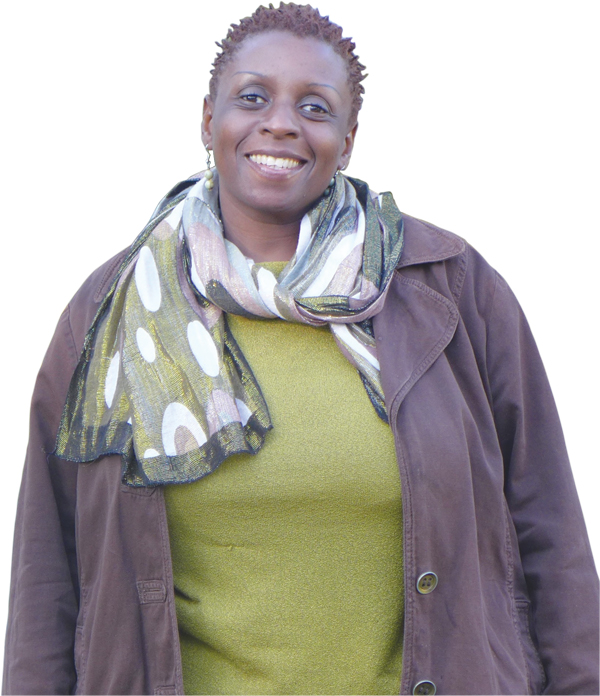
Sithembile Mpofu’s major concern is to make life easier for the rural folk.
Wellington Zimbowa
It is a passion that saw her leave the legal fraternity to dedicate her life to the grassroots, advancing the rural folk their economic and social rights through conflict resolution.
She dreams of a conflict-free world where even the late Cecil the lion, can live at par and in harmony with the human race.
Fuelled by that burning desire to rekindle fruitful relationships among people and work for common good, Mpofu founded the Centre for Conflict Management and Transformation (CCMT) in 2002.
“CCMT has become a vital resource for rural district councils in Zimbabwe, where it carries out direct interventions on conflicts affecting rural communities using mediation and dialogue facilitation,” said the former lawyer.
“In carrying out this work CCMT is not only transferring conflict transformation skills to government officials and community leaders and members, but is also gaining unparalleled insight into the causes of conflict within rural communities in Zimbabwe.”
From humble beginnings of a single staff member, the organisation has become the voice of the often voiceless rural communities, covering five provinces of Zimbabwe. Thanks to the dedicated teamwork of the 19 employees under Mpofu’s directorship.
- Chamisa under fire over US$120K donation
- Mavhunga puts DeMbare into Chibuku quarterfinals
- Pension funds bet on Cabora Bassa oilfields
- Councils defy govt fire tender directive
Keep Reading
Most often, rural communities are the most segregated economically and socially, yet it is where vulnerable people like orphans, the elderly and single mothers live.
Riding on the astute leadership and strategy skills of Mpofu, CCMT has carved itself a firm name in conflict resolution, reaching out to the most remote parts of the country.
CCMT helped resolve water conflicts among villagers in Mberengwa who depend on Mundi-Mataga Dam for their livelihoods. This has given birth to a flourishing irrigation project.
Humility, teamwork, engagement, collaboration and strategic analysis of issues are the anchors of the CCMT’s success story.
“The majority of our work is focused on developing innovative approaches to deal with group, community and institutional conflicts. CCMT has made a significant contribution in the area of peace-building and conflict-transformation in Zimbabwe; making a significant difference to the lives of people in grassroot communities and contributing to conflict transformation and knowledge through various research and articles,” Mpofu said.
As a renowned conflict management practitioner who also holds a certificate in Peace and Reconciliation from Coventry University in the United Kingdom, she adds wholesome insights:
“CMT cherishes the culture of learning that has been embedded both in its work with communities and in its administration, always striving to be transparent, effective and efficient.
“As facilitators, we recognise that the experience the people in conflict are having is not our experience, we are outsiders. Our job is to ensure that those in conflict engage with each other in as constructive a manner as possible because where tensions are high emotions can erupt in ways that are destructive and we must keep that space safe for everyone involved.”
A devout Christian, Mpofu is adamant that conflict is only an indication that something would have gone wrong. She said if managed properly, conflict can actually propel people to another level.
The Harare-born conflict management practitioner, who completed her high school studies at Arundel High School, sees herself expanding wings into the region.
“Through research and documentation and supporting advocacy processes, CCMT intends to share these lessons with relevant actors in Zimbabwe and the Sadc region.
“The organisation will in future be a resource not only to communities in Zimbabwe but to governments, private institutions and organisations dealing with communities across Africa,” said.
Mpofu is married to Harare lawyer Thabani. She trained law at the National University of Lesotho and graduated in 1994.