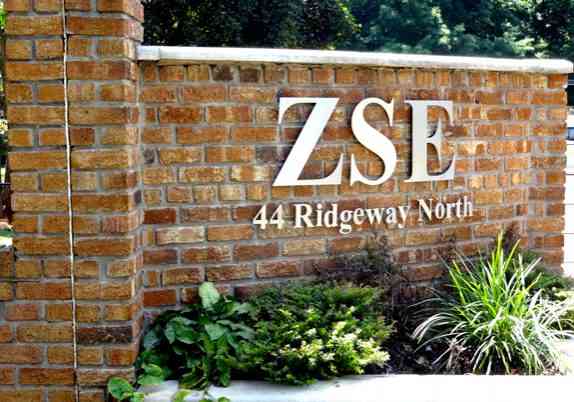
The Zimbabwe Stock Exchange (ZSE) is haemorrhaging listed companies, with its market capitalisation plunging by US$1.16 billion since the start of the year, largely as a result of Econet Wireless Zimbabwe’s (Econet) exit from the bourse in March.
Econet’s exit came at a time when the ZSE was confronting one of its biggest challenges in years: a shrinking pool of listed companies.
The departure of heavyweight counters, led by Econet, is not only eroding the bourse’s market value but also raising questions about its ability to attract and retain listings in an increasingly illiquid environment.
The scale of the challenge is already evident in the numbers.
The bourse ended 2025 with a market capitalisation equivalent to US$3.23 billion, investor activity then surged to US$4.43 billion by the end of March amid heightened trading around Econet’s delisting.
However, as of last Friday, the ZSE’s market capitalisation had retreated to US$3.26 billion, effectively wiping out those gains.
The decline translates to a loss of about US$1.16 billion in value since the beginning of the year.
- Fresh warning over gold coins
- International Book and Copyright Day, in the context of reading culture and climate change
- Fresh warning over gold coins
- Stop clinging to decaying state firms
Keep Reading
The pressure is unlikely to ease anytime soon, as TSL Limited and First Mutual Properties Limited are both expected to leave the bourse later this month and early next month, adding to concerns over the continued contraction of the exchange.
Faced with a dwindling roster of listed firms, the ZSE has moved to make listing requirements more accessible.
The biggest change was cutting the minimum market capitalisation threshold from US1 million.
Other temporary measures include lowering free-float requirements to a minimum of 10% from 30%, relaxing shareholder spread rules, and waiving initial listing fees to attract new issuers—all intended to stem the loss of counters.
These new measures will be in effect for the next three years.
“The outlook for the ZSE over the next three to six months follows the 36-month window of relaxed listing requirements under Practice Note 18,” FBC Securities said in its latest May 2026 market report.
“The ZSE’s All-Share Index could continue its upward trajectory, although at a more moderate pace than the 40% YTD advance.
“The key watchpoint is the central bank’s ability to maintain forex reserves and support the stability of the ZiG, to protect the value of ZiG-denominated assets.”
FBC Securities added, however, that turnover in ZiG terms increased 4% last month from April, indicating resilient trading activity even after “the exceptionally high March turnover that was distorted by end-quarter trading in Econet as it prepared for its delisting.”
The brokerage noted that the low-inflation environment has preserved the real value of ZiG-denominated assets and encouraged domestic investors to remain allocated to equities rather than fleeing to hard assets.
“However, the exchange rate tells a different story: the interbank rate depreciated from 25.34 ZiG/US$ on 1 May to 26.90 on 29 May—a 6% monthly decline. Zimbabwe continues to navigate global commodity price volatility and subdued regional trade,” FBC Securities said.
“However, the country has not experienced a severe external shock during May; rather, the gradual normalisation of the exchange rate and the stability of ZiG inflation have created a predictable environment for domestic corporates”.
According to the brokerage, the main risk remains the potential for a weaker ZiG amid rising import demand, but for now, the ZSE’s 40% year-to-date gain suggests that investors are pricing in continued macro stability.
“The Zimbabwe Stock Exchange closed May positively in both ZiG and USD terms, with market capitalisation expanding 6.87% m/m (month on month) to ZiG87.62 billion and 5.20% m/m to US$2.74 billion,” IH Securities said.
“The All-Share Index advanced 6.60% to 389.26 while the Top 10 added 5.82% to 384.31, supported by ZiG-hedging flows into heavyweight counters as the local currency weakened 5.7% against the USD over the month.
“On a YTD basis, market capitalisation remains 5.53% lower in ZiG terms, leaving the bourse in modest recovery mode”.
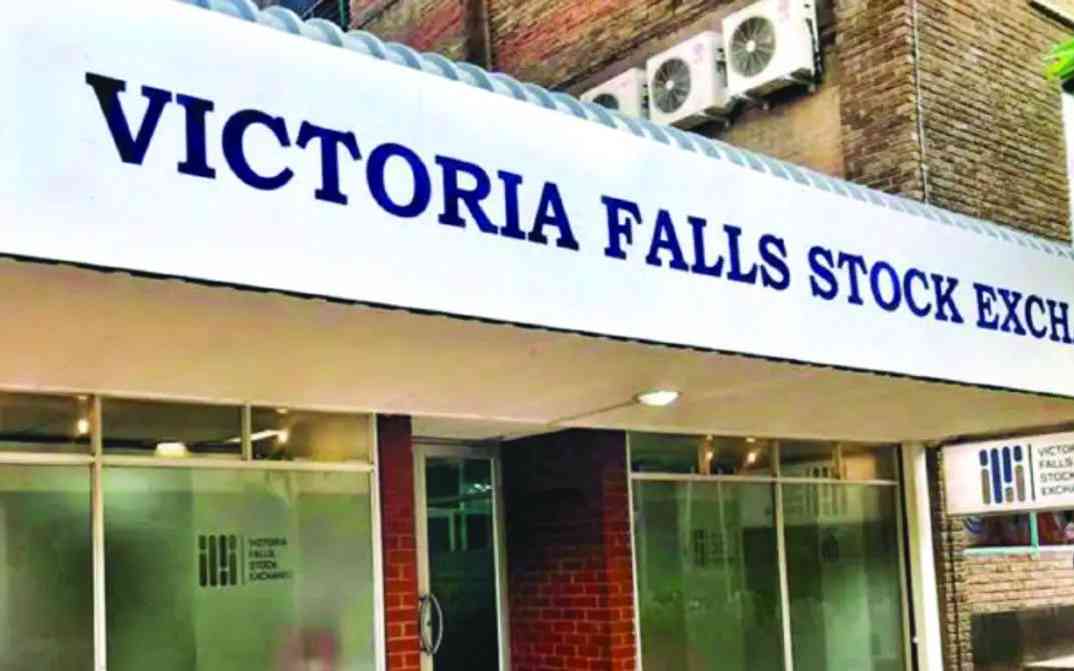
Comparatively, the Victoria Falls Stock Exchange recorded a market capitalisation of US$3.54 billion as of last Friday, up from US$2.09 billion at the end of last year.
This has made that bourse not only Zimbabwe's main stock exchange but the preferred investment equities market.