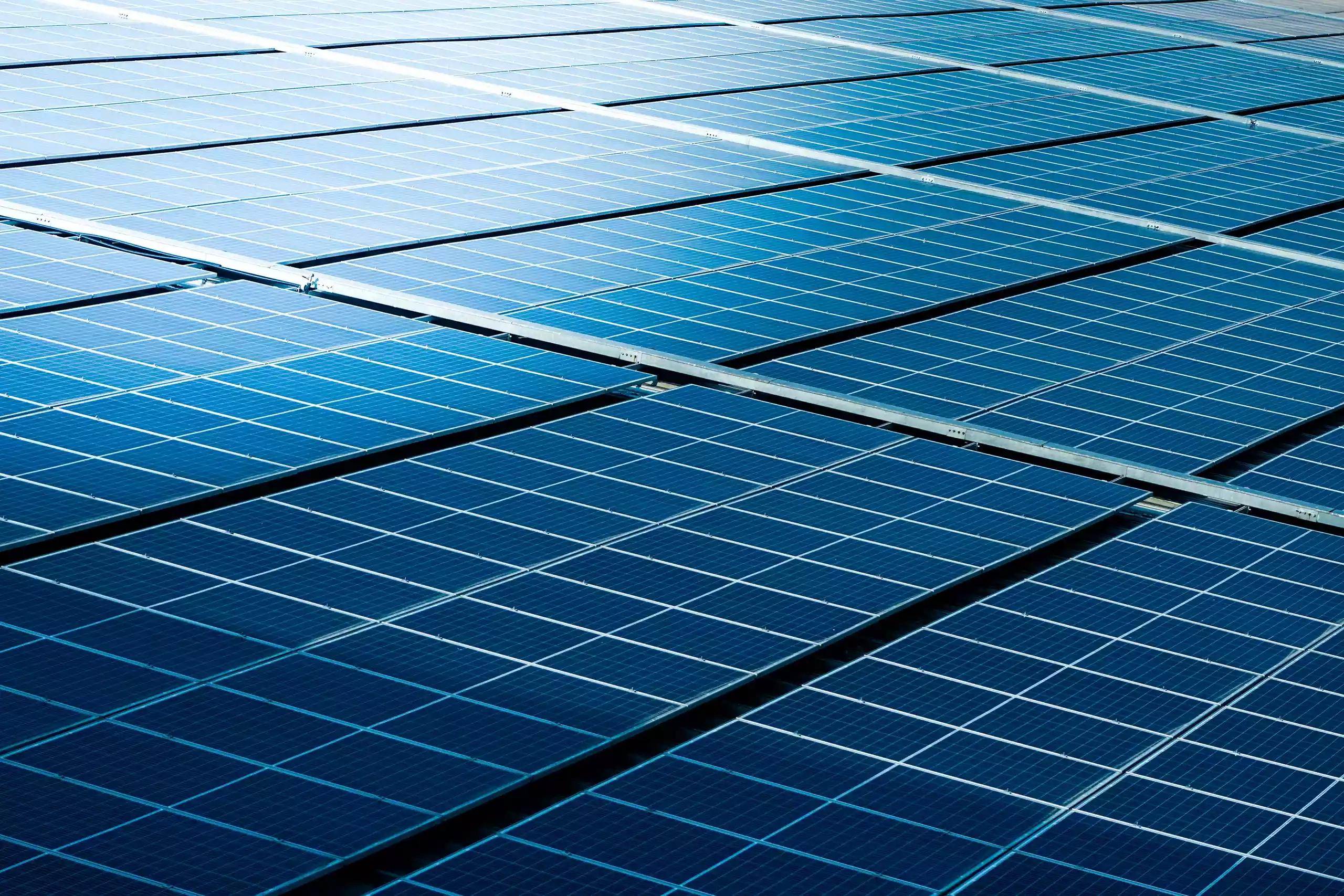
As Zimbabwe endures another round of crippling power cuts — sometimes stretching 18 hours a day — hordes of people are turning to solar power.
Rooftops across urban and rural homes now glint with panels, while streets are lined with shops and vendors selling solar kits of every size and promise.
The boom, however, according to investigations carried by Truth Diggers, hides a dangerous truth - many of the solar products flooding the market are fake, substandard or installed by unqualified dealers who prey on desperate customers.
Zimbabwe requires about 2 200 megawatts daily, but generation rarely exceeds 1 200 MW.
The deficit has left businesses and homes in the dark, sparking a surge in demand for solar.
On the other hand, the rapid urbanisation, especially in Harare has indeed pushed many households and businesses toward renewable energy, especially solar power.
Unfortunately, the rising demand has opened doors for a flood of fake solar panels, inverters and batteries, Truth Diggers has established.
According to ZimStat, Zimbabwe imported over US$45 million worth of solar equipment in 2022, more than double the figure in 2019.
- Thousands flee economic mess
- ZimStat undertakes to pay enumerators
- 'Apostolic sects frustrating fight against measles'
- Graft 'bleeding' ZimStat
Keep Reading
Solar shops — ranging from established dealers to roadside traders — have mushroomed across the country.
For many, solar has been a lifeline. Bindura farmer Tendai Chiweshe invested US$3 500 in a solar-powered borehole.
“I lost two wheat harvests because of power cuts,” Chiweshe said.
“Since I installed solar, I pump water day and night. It saved my farm.”
In Chitungwiza, barber Edmore Chiwa spent US$700 on a solar kit.
“I was losing customers when blackouts hit,” he said.
“Now I can cut hair all day. I make more than before.”
But behind the success stories is an unregulated gold rush.
Last year, the Zimbabwe Energy Regulatory Authority (Zera) warned that up to 60% of solar products on the market were substandard, imported cheaply from Asia without certification.
The energy regulatory board indicated that it was developing the Energy (Solar Products and Installation) Regulations to establish quality standards for solar products and installations.
Truth Diggers established that in some cases consumers would buy “300-watt panels” that barely produce 100 watts, or lithium batteries that collapse within months.
“I lost US$1 200,” said Chipo Ncube, a shop owner in Gweru.
“The dealer installed panels that never charged the batteries. When I went back, the shop had closed. I had to engage someone else.”
The problem extends to installers.
Investigations also revealed that dealers promise full solar home systems for as little as US$250. Few have electrical training. One “installer” admitted:
“We just follow YouTube tutorials. If the customer complaints, we tell them the problem is the battery.”
The solar demand has also created a parallel boom in online sellers — many operating through Facebook and other social platforms.
“I engaged this other company on Facebook and they sent back a quotation within a few minutes of inquiry,” said Amos Phiri, a resident in Stoneridge, Harare.
Regulators have reported fatal accidents across the country while energy experts have warned that the spread of fake solar products is undermining public trust in renewables.
According to Zera, at least 27 deaths were reported in more than 200 notifications made concerning electrical accidents last year.
About 45 deaths from electrical incidents were recorded in 2023.
Renewable energy expert Edzai Kachirekwa conceded that the solar boom could collapse under its own weight if it is not regulated.
“It’s true we have a problem considering that a recent survey by a reputable institution found out that 60% of solar products in Zimbabwe are counterfeit,” Kachirekwa said.
“What we have now is chaos. Genuine suppliers are competing with briefcase dealers selling junk.
“People lose money, systems fail, and confidence in solar erodes. This undermines the renewable transition.”
According to an environmental expert, O’bren Tapuwa Nhachi, fake solar products — such as low-quality solar panels, inverters, or batteries — can seriously harm the environment.
“Fake products break down quickly and become unusable and these are often dumped improperly, adding to electronic waste,” he said.
“They may contain toxic chemicals like lead, mercury, or cadmium that pollute soil and water.”
Nhachi said fake solar panels generate less electricity than claimed, which leads to wasted solar potential and forces users to rely more on fossil fuels, increasing carbon emissions.
“Poorly made batteries can leak chemicals or explode, harming ecosystems and many are not recyclable, so they pile up in landfills and release harmful gases.” he said.
“Manufacturing fake products still uses raw materials and energy, but without long-term benefits. This results in unnecessary environmental degradation.”
He said faulty solar systems can cause fires or electrical accidents, damaging nearby natural areas.
“They also release greenhouse gases during improper disposal or burning.”
According to a recent by 1,5°C National Pathway Explorer, a climate analytic, a large proportion of Zimbabwe’s emissions come from agriculture, forestry and other land use, primarily deforestation, land use change, forest harvesting, shifting agriculture.
The energy sector is also significant - electricity generation, transport, and reliance on biomass, for instance firewood add pressures.
However, Zimbabwe has made more ambitious commitments by revising the Nationally Determined Contribution, which is aimed at reducing emissions by 40% by 2030 (up from 33%) across all sectors.
Development practitioner Takemore Mazuruse also linked the fake solar boom to wider environmental damage.
“When poor-quality systems fail, families revert to firewood. That fuels deforestation,” he said.
“Without strong enforcement, the so-called solar solution becomes part of the problem.”
Although Zera set up a solar equipment type approval system, enforcement remains weak, Truth Diggers established.
“Many importers bypass standards at entry points or smuggle kits through informal channels,” said a source within the Energy ministry.
“We also lack capacity to test every panel or battery entering the country.
“Unscrupulous traders exploit the loophole. We are working on stronger certification and a national installer register, but it is overdue.”
Zera chief executive officer Edington Mazambani told Truth Diggers that his organisation was working on a framework to regularise the selling of solar and other renewable energy products.
“We are working on a regulation to control the quality of solar products coming into the country,” he said.
The solar boom shows Zimbabweans’ resilience in the face of darkness.
But without strong regulation, the very technology meant to free the nation from power cuts could trap people in new cycles of poverty and exploitation.
As one frustrated customer put it:
“In Zimbabwe, even the sun is being stolen from us.”
*Truth Diggers is the investigative journalism unit under Alpha Media Holdings (AMH), publishers of the NewsDay, Zimbabwe Independent, The Standard and Southern Eye.
AMH also operates an online broadcasting channel, HStv.