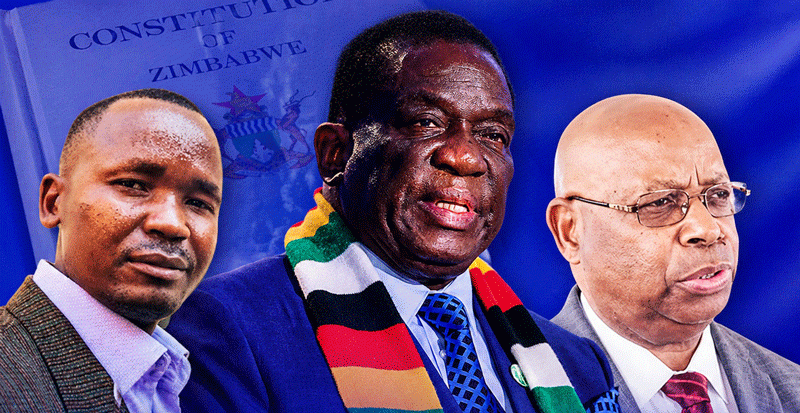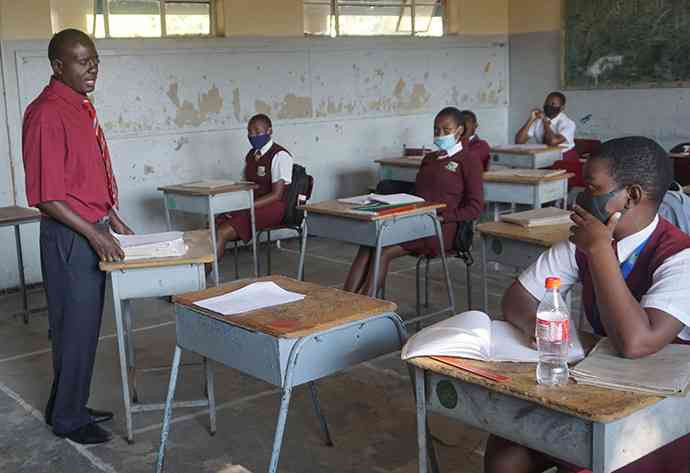
Zimbabwean teachers have expressed "disbelief" after a scheduled meeting with President Emmerson Mnangagwa to address stagnant salaries and a worsening cost-of-living crisis was cancelled at the last minute, according to union officials.
The Progressive Teachers’ Union of Zimbabwe (PTUZ) had sought the February 26 meeting to present a comprehensive document detailing "key concerns" affecting the education sector, but said they were informed the president was pressed with other engagements.
"Salaries and allowances have been stagnant for too long. The last time we had an increment was in 2023," the PTUZ stated in talking points prepared for the meeting.
The union says teachers currently earn approximately US$270 and 4 000ZiG.
PTUZ is demanding a basic salary of US$540 and the introduction of sector-specific allowances to restore purchasing power.
Rising costs are hitting educators hard, with monthly rents in high-density suburbs reportedly jumping from US$30 to US$50 per room, while medium-density areas have seen increases to US$100 or more.
Beyond pay, unions are highlighting a breakdown in communication with the government.
The PTUZ alleged there has been no "meaningful" dialogue between the Public Service Commission (PSC) and civil servants’ representatives for three years. When meetings do occur, the union claims government offers are often "unrealistic," sometimes amounting to increments of less than US$20 per month.
- NoViolet Bulawayo’s new novel is an instant Zimbabwean classic
- Jah Prayzah, Zanu PF rekindles ‘lost love’
- Bank workers appeal to Ncube for tax relief
- Indosakusa marks 21-year anniversary milestone
Keep Reading
The Zimbabwe Teachers’ Association (Zimta) also challenged recent claims in Parliament that government salaries are satisfactory because they sit above the poverty datum line. Zimta argued that survival benchmarks are an inappropriate measure for professionals like teachers and engineers.
"The lowest-paid civil servant remains between 37% and 64% below recognised living cost thresholds," Zimta said, warning that the pay gap is fueling a "retention crisis" in the public service.
A spokesperson for the Ministry of Primary and Secondary Education, Taungana Ndoro, declined to comment on the grievances, referring questions to the ministry responsible for employee welfare.
Officials from the Public Service Commission were either out of the country or unavailable for comment.