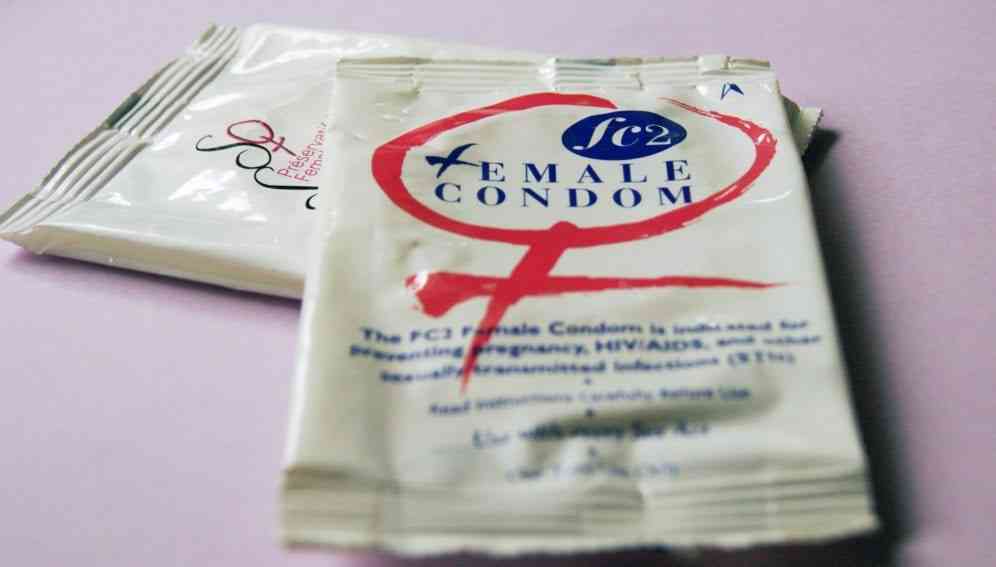
A worrisome trend is undermining the fight against HIV and Aids in Mashonaland West, as research reveals that female condom utilisation remains dangerously low, leaving thousands of women exposed to infection.
The sobering reality was revealed during a National Aids Council (NAC) media tour of the province, where officials and community members pointed to a lethal combination of poverty, a lack of negotiation power, and crumbling rural healthcare infrastructure.
Kadoma NAC district coordinator, Delphine Sikhukulu, confirmed that the uptake of female condoms has stagnated.
“There is not much progress in terms of women using female condoms; it’s still on the low side,” Sikhukulu said.
While exact statistical data was unavailable at the time, Sikhukulu pointed to rampant poverty.
For many young women in the province, economic survival routinely overrides health concerns.
A young mother from Kadoma, Dephine Mashinga, explained how men exploit this financial desperation, particularly when dealing with sex workers.
“Young women are tempted by men who offer more money for sex without condoms, and young women fall for that,” Mashinga said. “Because of this economic crisis, young women accept US5 or less.
- Econet to use Buddie Beatz app to grow local music
- Edutainment mix: The artist in the child policy formulation context
- Edutainment mix: The artist in the child policy formulation context
- Fact’s educational programme throws lineline to vulnerable groups
Keep Reading
“The temptation is too high to turn down”.
The crisis is further compounded by a severe lack of local healthcare infrastructure. The Muzvezve area in Mashonaland West, which encompasses the Mayflower and Brompton mine communities, does not have a single clinic.
This forces vulnerable villagers to travel to Kadoma for basic medical care—a journey that costs US$5 for a one-way trip.
For expectant mothers, the lack of local facilities is both a financial drain and a physical hazard.
Marbel Chinyoka, an expecting mother, said she has been forced to commute to Kadoma for safe deliveries for all of her children.
“We pay US10 for a visit to the clinic in Kadoma is too much for us, especially when money is so difficult to get,” Chinyoka said.
Locals expressed deep frustration with political figures, accusing them of weaponising healthcare for votes without delivering actual results.
“The Haritatos family, who have been MPs of the area, have failed to bring a clinic to their area but have been promising one at every election time,” Mashinga said bluntly.
Efforts to obtain a comment from the area Member of Parliament (MP), Vangelis Haritatos, were unsuccessful as he was unreachable.
However, Health and Child Care ministry spokesperson, Donald Mujiri, indicated that the government was actively working to bridge the infrastructure gap.
“The ministry is aware of the need for more health facilities, and we are currently constructing health posts across the country, in addition to more than 1 900 existing health centres,” Mujiri said.
The crisis unfolding in Mashonaland West is a stark reminder that the fight against HIV and Aids cannot be won in a vacuum.