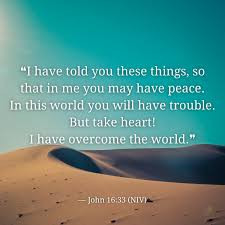
Man has always dreamed of a perfect society—one without conflict, where happiness is constant and life is free from struggle. We imagine communities where justice always prevails, economies flourish effortlessly, and human beings live in perfect harmony. Yet, as Jesus reminds us in John 16:33:
“I have told you these things, so that in me you may have peace. In this world you will have trouble. But take heart! I have overcome the world.”
Life on earth is never free from trials and challenges. To expect otherwise is to deny human reality and the purpose of our existence. Dreams of a flawless society, when taken too literally, can weaken our ability to persevere and fight for our destinies. Humans are designed to work, to struggle, and to grow in the face of resistance.
Conflict is not only inevitable—it is necessary. Many of humanity’s greatest achievements were born out of adversity. Innovations in farming, medicine, technology, and exploration came from people who refused to give up, even when the odds were against them. Resistance, whether from nature, circumstances, or society, forces humans to think creatively, work harder, and push beyond their perceived limits. Without challenges, motivation wanes, and progress slows. This is why God told Adam that he would eat from the sweat of his brow. Life requires effort; the ground resists human labor, and through that struggle, humanity learns perseverance and innovation.
The idea of utopia—a perfect society—has fascinated thinkers for centuries. In 1516, Sir Thomas More coined the term, derived from the Greek word “outopos”, meaning “no place” or “nowhere.” At the heart of the word is a fundamental truth: a perfect society cannot exist on earth. Even the person who first described it doubted that such a place could ever be realized.
For believers, true utopia is only found in Christ. While we live on earth, struggles will continue, but they can be faced with hope, courage, and faith. Christ assures us that some battles have already been won, and His victory gives believers the strength to endure challenges that might otherwise feel insurmountable.
This truth has real implications for Africa and Zimbabwe. Many place hope in politicians, governments, and election cycles, believing that a new leader will bring immediate peace, prosperity, and harmony. Yet, disappointment often follows, as political promises fall short and systemic challenges persist. The solution is not to expect a flawless society but to persevere through difficulties and actively participate in building the communities and nations we desire.
Zimbabweans can embrace this reality by pushing beyond challenges, using adversity as a platform for innovation, creativity, and growth. While the perfect society may not exist in our lifetime, incremental progress is possible when citizens refuse to give up and work toward meaningful change. Every small victory, whether in education, infrastructure, or social cohesion, contributes to shaping the Zimbabwe we want to see.
- Mavhunga puts DeMbare into Chibuku quarterfinals
- Open letter to President Mnangagwa
- Feature: ‘It’s worse right now than under Mugabe’: Sikhala pays the price of opposition in solitary cell
- Masvingo turns down fire tender deal
Keep Reading
The key lesson is this: conflict will always exist, but it becomes manageable when we align with Christ. Utopia, in the earthly sense, is unreachable. But through faith, perseverance, and hard work, we can create societies that reflect hope, justice, and growth, even in the midst of trials. Heaven represents the ultimate utopia, but on earth, resilience, courage, and creativity allow us to navigate the imperfect world we inhabit.
As we strive to build better communities, we must remember that challenges are not obstacles to happiness—they are the environment in which human potential is realized. Conflict is a part of life, and the human spirit thrives when tested. By embracing this truth and relying on Christ, we can overcome, innovate, and continue to push for progress, one step at a time.
God bless you.