AS the Government and the Private sector continue to play key roles in setting the vision, direction, and targets for National Developmen strategies, as well as providing policy and regulatory framework, incentives, and support to enhance , enable and facilitate their implementation. In the past deregulation was seen as an obstacle or an engine to drive unhealthy challenges in the Energy sector, and yet its only now that deregulation is actually an Accelerator towards national development and a key driver which attracts direct investments into the energy sector.
1: Deregulation:
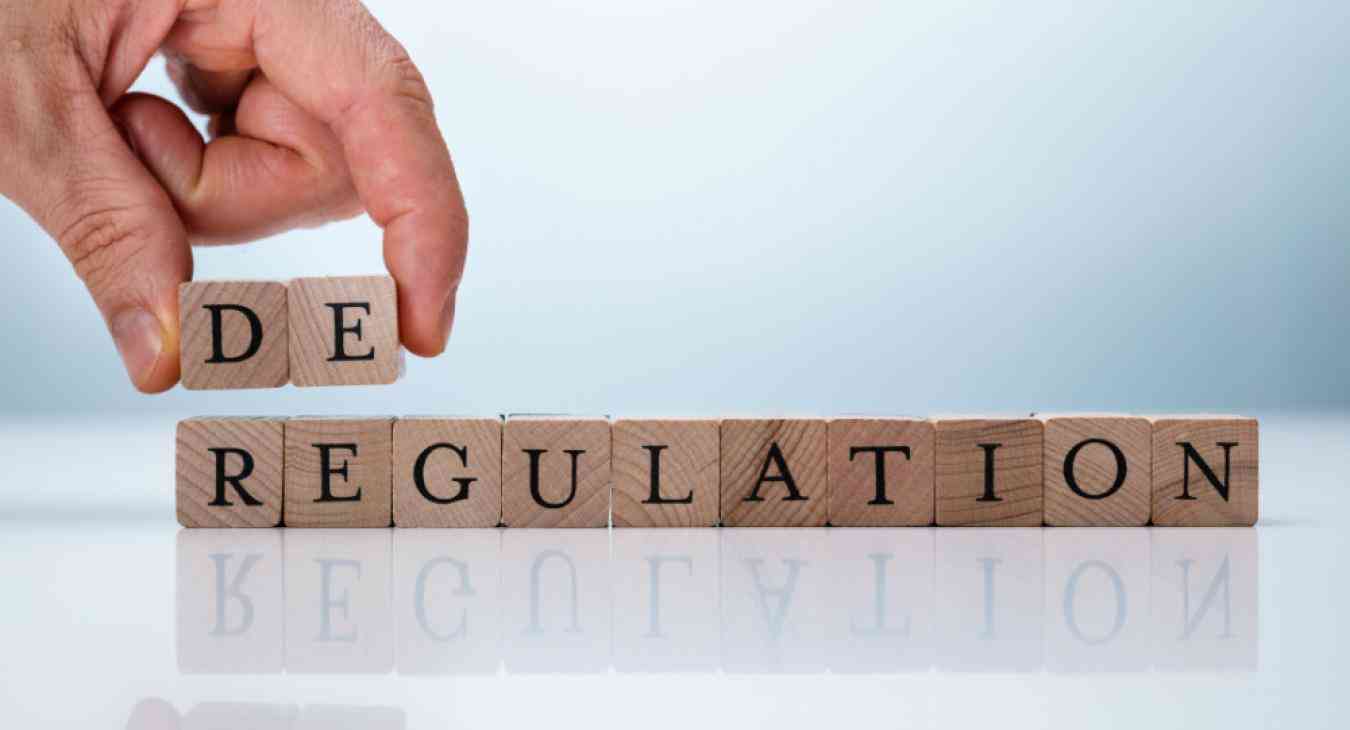
Deregulation refers to the liberalization of the Energy Market and the removal of barriers for new entrants and innovative business models. As Zimbabwe has moved towards the liberalization of the Energy market, that's more than a translation of democracy, but a real shift towards the development of a modern country, modern grids. employment creation, improved standard of living for every citizen. As long as the market is democratic, it will increase fair and healthy competition, transparency, and diversity of the energy sector. For years the energy sector was under state control which created gaps of incompetence through sabotage by employees who in turn created their own companies under the disguise of private electrical contractors, this created so much discord in a country which has the potential to eliminate energy poverty forever. As an experienced Energy expert, I strongly applaud the government for taking a bold step to deregulate the energy sector, under the leadership of President Emmerson Mnangagwa. That bold move has attracted Western, Eastern and American investors to come and increase more electrons into the National Grid.
How To Achieve Deregulation
lIntroducing retail competition in the Energy Sector, which allows consumers to choose from a pool of different service providers and plans, and offers lower prices and increased choices, by creating a healthy market and a regulatory framework for electricity trading, and as well as ensuring fair and efficient market functioning.
As for Zimbabwe, the 28th of October 2025 marked the beginning of a positive direction within the Energy market, a bold decision was announced to the nation through ZERA, that the energy market was officially opened to everyone with capacity and experience to generate, transmit, distribute and retail electricity in the country.
lEncouraging participation of consumers and prosumers in energy markets, by providing smart export guarantees, FIT, and local energy hubs, which allows consumers to generate their own electricity and sell the excess back to the grid or to others( SMART METERING).,by creating a market and a regulatory framework for electricity trading ,as well as ensuring fair and efficient market functioning.
lPromoting the development and adoption of renewable energy sources and distributed energy resources, by providing policy and regulatory support, incentives, and subsidies, as well as investing in technology innovation and infrastructure development.
- Why are we still pitting jobs against public health?
- NoViolet Bulawayo’s new novel is an instant Zimbabwean classic
- Rwandanese Refugee Arrested For US$85 240 theft
- Ishan basks in Annatoria collabo glory
Keep Reading
Deregulation initiatives and techniques
In every economy, which is democratic like Zimbabwe, retail competition has been proven to be healthy ,as this allows prices of commodities to be kept under control through the government , in our case ZERA will remain as the regulator so as to avoid exorbitant prices and unfair competition.
Benefits of deregulation
Deregulation comes with economic benefits, such as stimulating economic activity, innovation,growth,lowering prices and increasing choices for consumers, and enhancing competitiveness and diversity of the energy sector.
lEnvironmental benefits, such as promoting the development and adoption of renewable energy sources and distributed energy resources, reducing emissions and environmental impacts, and Fostering social and environmental justice.
lSocial benefits.
These social benefits such as increase of transparency., accountability, participation, improving customer satisfaction and customer relations, empowerment of every citizen, and promoting social and environmental justice.
Challenges and risks of deregulation
Technical challenges, such as ensuring interoperability, standardisation, scalability of technologies, as well as addressing cyberattacks,data privacy, and data quality issues.
Economic challenges
There can be issues to do with the creation of market failures, price volatility, market power abuse, consumer protection issues, as well as addressing the social and economic impacts and costs, ensuring a fair and just transition.
Political Challenges, such as building political will and consensus, aligning national and international policies and actions, and overcoming resistance and opposition.
As I have managed to touch on all the 4Ds in my past and present presentations ,it is difficult to say which one is more important as they are all interconnected and play crucial roles in the energy transition. However if you were following my articles for the past weeks, you will agree that Decarbonisation might be considered as the most urgent, given the pressing need to reduce greenhouse emissions and combat climate change.
As the country continues to deploy more resources towards Sustainable Development Goal number seven, National Development Strategy 2 should close all the gaps, imbalances, unfair competition, unfair application of favours towards incompetent contractors and overnight Electrical Engineering companies. In order to achieve smart cities, smart homes, smart villages, smart industries, smart farms we should all speak with one voice.
One country, one Identity.
Let's not forget to treat every wire as live, remember to switch off all appliances which are not in use.
Electricity saved, is money saved.
Dr. Engineer Edzai Kachirekwa
Power Giants Private Limited
Email: [email protected]
Telephone: +263774742021