On February 23-27, Zimbabwe will proudly host the Sadc Sustainable Energy Week (SEW) event in Victoria Falls.
This is more than a gathering; it is a defining inflection point for Southern Africa.
Our region stands at the crossroads of three converging pressures: the urgent need for industrialisation on the backdrop of energy insecurity, the accelerating impacts of climate change, and the aspirations of a youthful, rapidly growing population.
Together, these forces demand that we rethink how Southern Africa generates, governs, trades, and shares energy resources.
Nearly three decades ago, the Sadc Protocol on Energy committed member states to harmonising national energy policies and using energy as a driver of economic growth, poverty reduction, and self-reliance.
That vision is still alive, but the context has shifted. Today, Southern Africa has the lowest energy access rate on the continent, averaging just 50%.
The region continues to face capacity shortfalls including peak demand which reached 58 868 MW in June 2025 against an available operating capacity of 56 977 MW, underscoring a persistent supply deficit that constrains industrialisation and social development.
Yet, the opportunity before us has never been greater. The global clean energy economy is accelerating.
- World View: Geo-engineering for grown-ups
- Why the 2026 Sadc Sustainable Energy Week is a turning point
Keep Reading
Conference of the Parties (COP) 30 in Belém, Brazil called for tripling adaptation finance and mobilising US$1,3 trillion annually for climate action by 2035.
While the world did not secure a decisive fossil fuel phase-out, it sent a clear signal: regions that mobilise early, integrate markets and deploy renewables at scale will be the economic winners of the next decade.
For Sadc, energy efficiency and renewable energy are not only a climate imperative, they are a development and competitiveness imperative.
Energy is the backbone of trade, manufacturing, mining, digital services, and regional value chains.
It powers agriculture and food systems, electrifies schools and hospitals and enables young entrepreneurs to participate in the global economy.
Energy access is not a privilege; it is the foundation of human and economic progress.
A continental turning point
Africa is entering a new era of energy cooperation. The African Union’s Africa Single Electricity Market (AfSEM) seeks to integrate national power systems into a unified continental electricity market, one that improves reliability, lowers costs and enables regional power trade at scale.
This vision aligns directly with Sadc’s long-standing commitment to regional energy harmonisation and builds on institutions such as the Southern African Power Pool (SAPP), which has already demonstrated the stabilising benefits of cross-border electricity trade.
In January 2025, African heads of state adopted the Dar es Salaam Declaration, committing to electrify 300 million people under the Mission 300 agenda.
Implementation will be driven through National Energy Compacts, several of which have now been developed across the Sadc region.
Zimbabwe’s own Energy Compact, facilitated through the World Bank and African Development Bank, provides a mechanism to align domestic priorities with regional ambitions and global financing instruments.
This alignment matters. The 2026 Sadc SEW takes place at a moment when countries are finalising these National Energy Compacts, creating a unique opportunity to harmonise policy, showcase investment opportunities, mobilise finance, and accelerate implementation across borders.
Financing the transition
To achieve universal access and a 53% renewable energy share by 2040, Sadc will require an estimated US$2,4 billion annually or US$52,8 billion in total. This cannot be met by public finance alone. We need:
-Regional financing platforms like the Regional Transmission Infrastructure Financing Facility (RTIFF)
-Scaled private sector investment
-Public-private partnerships (PPP)
-Blended finance and concessional capital
Since the inaugural Sadc SEW which was held in Botswana on February 24 to 28, 2025, private sector commitments exceeding US$300 million have already been recorded. Victoria Falls must build on this momentum, not with declarations, but with bankable projects, risk sharing mechanisms, and investment ready policy frameworks.
Industrialisation and energy security
Our industrial future cannot depend on fragmented and isolated national grids. Manufacturing, mining, and emerging green industries require stable energy supply.
By adopting energy efficiency, our industries, products and services become competitive globally.
Regional power integration, through harmonised regulation, modern transmission corridors, and upgraded grid infrastructure is therefore a strategic economic priority, not simply a technical one.
Here, Sadc has an opportunity to lead Africa. Angola’s hydropower potential, South Africa’s wind resources, Namibia’s green hydrogen plans, Mozambique’s gas-to-power projects and Zimbabwe’s vast solar reserves can form a powerful, complementary regional energy mix.
Energy justice and inclusion
Energy transitions must be fair. Women, youth, rural communities, and vulnerable groups must not be left behind but must drive the transition.
Clean cooking, decentralised mini-grids, and skills development are essential to a just transition.
The 2026 Sadc SEW thematic agenda explicitly prioritises universal access, clean cooking, youth engagement and gender-responsive policies.
Energy justice is social justice. Without it, development remains incomplete.
The 2026 Sadc SEW is our opportunity to:
- Accelerate energy efficiency and renewable energy deployment
- Advance regional power integration
- Mobilise climate-aligned finance
- Champion a just and inclusive transition
- Speak with one voice in global climate negotiations
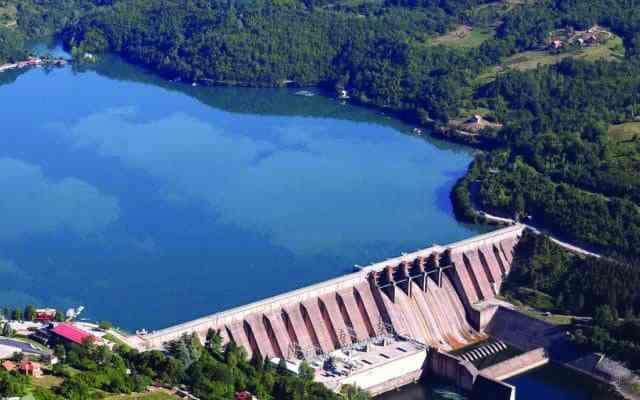
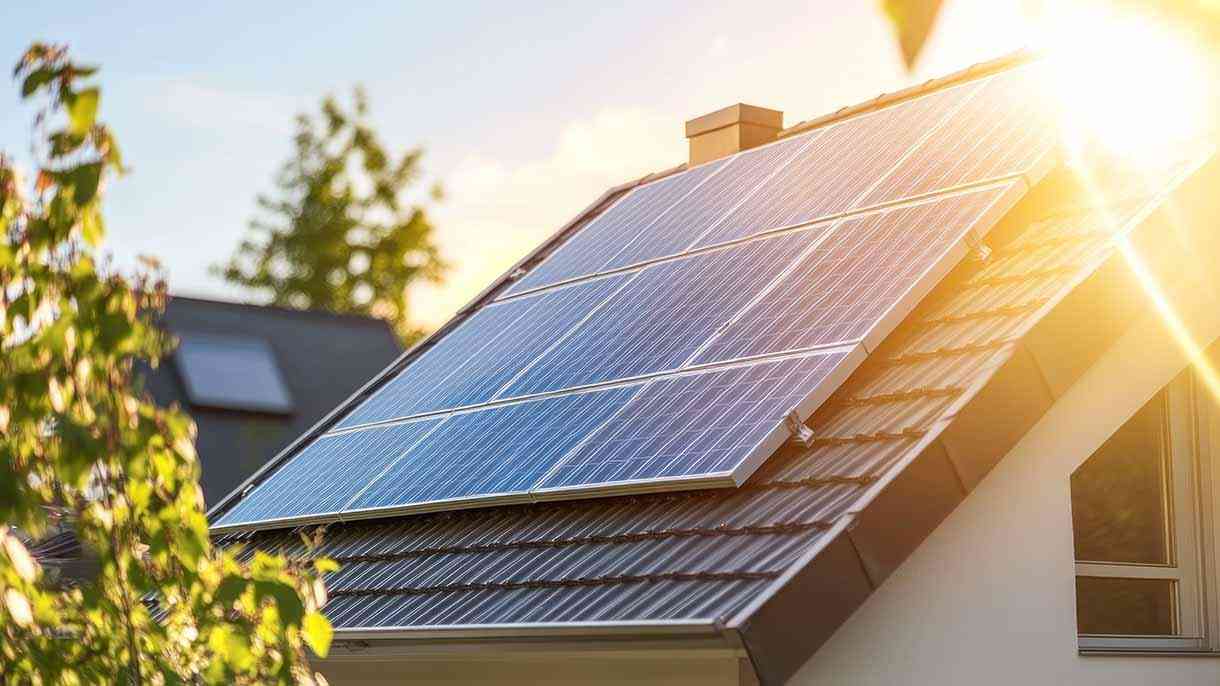
Zimbabwe stands ready. We are expanding solar and hydro capacity, strengthening regional trade, empowering youth with renewable energy skills, and advocating for climate finance equity.
The Protocol on Energy gave us the framework. COP30 gave us urgency. The 2026 Sadc SEW gives us the platform.
Now, we must deliver.
Let us ensure that every child in Southern Africa grows up with reliable, clean energy powering their schools, hospitals, and homes.
Let us build a region where clean energy is not a privilege, but a right. And where sustainability becomes the backbone of a prosperous, resilient African future.
*July Moyo is Zimbabwe’s Energy and Power Development minister