There are moments in the life of a continent when silence becomes dangerous. Not because there is no activity, but because the wrong type of activity continues without direction.
I have come to realise, through years of working in high-voltage engineering systems and observing Africa’s energy landscape, that we are living through such a moment. The wires are there. The substations exist. The policies are written. The ambitions are declared. Yet something fundamental is still missing, alignment between energy, engineering, and execution.
When I speak about a global energy rebound, I am not referring to a theoretical economic cycle. I am referring to a very real shift in the architecture of how the world produces, distributes, and consumes electricity. I have seen this shift in practice: from centralised systems that once defined power generation, to intelligent, decentralised, digitally controlled networks that now define modern grids. The world is not waiting for Africa to catch up. The world is redesigning itself.
And Africa must decide whether it will remain a passive receiver of this transformation, or an active engineer of its own destiny.
I often reflect on what electricity truly represents beyond technical definitions. Electricity is not just current, voltage, or frequency. It is movement. It is possibility. It is the invisible force that converts human ambition into industrial reality. Without it, machines are silent, hospitals are limited, factories are frozen, and innovation becomes theoretical. With it, societies begin to breathe at full capacity.
Yet in many parts of Africa, electricity is still treated as a privilege instead of a foundation. This is where the problem begins. A continent cannot industrialise while treating energy as secondary. Energy is not a department of development, it is development itself.
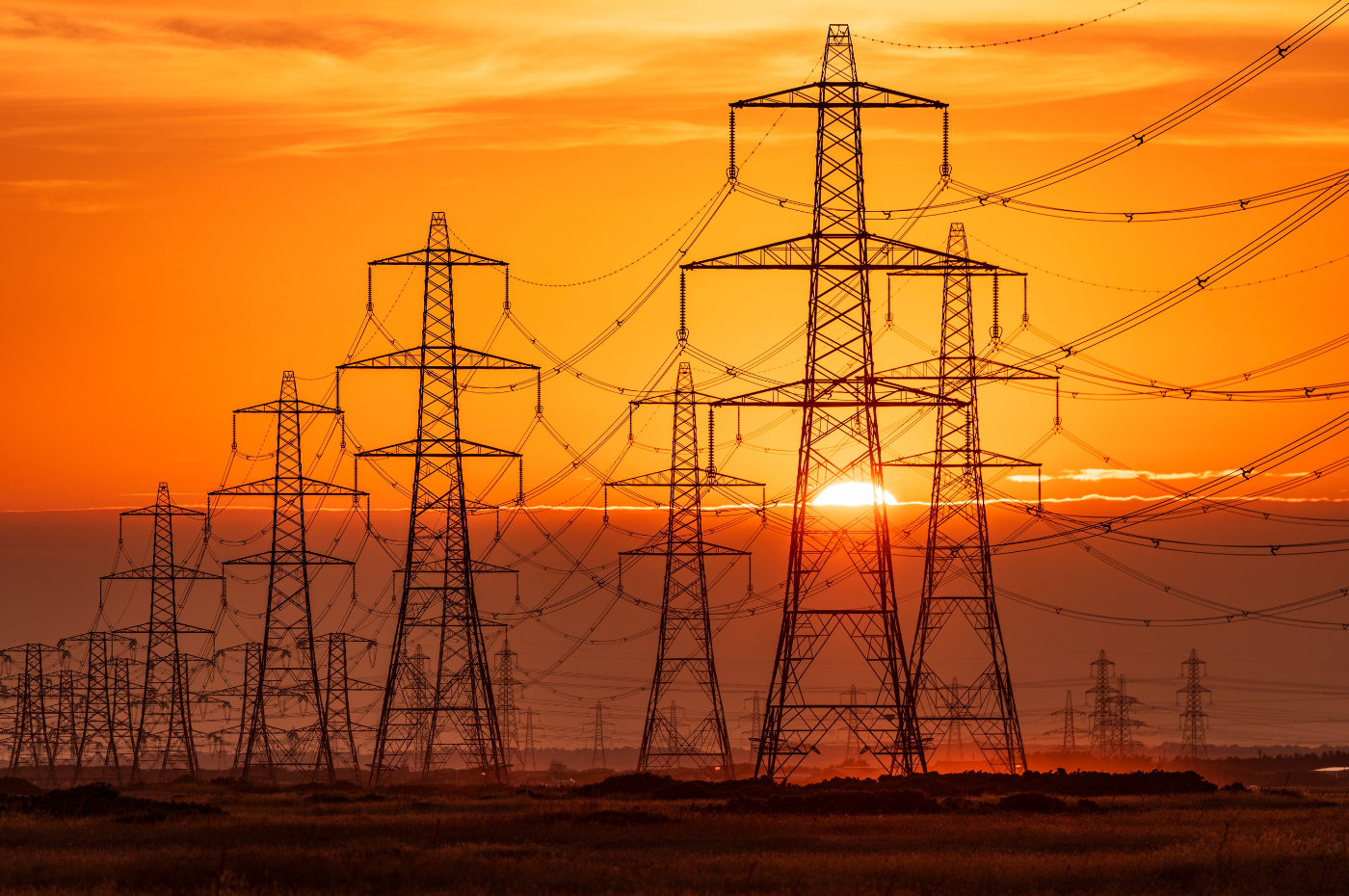
I have walked through systems where 400kV lines carry entire economic lifelines across vast distances. I have stood in substations where a single transformer determines whether an industrial zone operates or collapses. I have seen rural communities where one solar microgrid becomes the difference between darkness and dignity. These experiences have taught me something that no textbook can fully explain: energy systems are human systems before they are technical systems.
When they fail, it is not just infrastructure that fails, it is opportunity that is interrupted.
- Open letter to President Mnangagwa
- Feature: ‘It’s worse right now than under Mugabe’: Sikhala pays the price of opposition in solitary cell
- Masvingo turns down fire tender deal
- Human-wildlife conflict drive African wild dogs to extinction
Keep Reading
The global energy rebound we are witnessing today is being driven by three silent but powerful forces: energy insecurity, technological acceleration, and decentralised innovation. Countries are no longer building energy systems just for demand; they are building them for resilience. Blackouts in major economies have become political events, not technical inconveniences. Energy is now directly linked to national stability, economic competitiveness, and geopolitical strength.
Africa cannot afford to observe this transformation from a distance.
But here is where the conversation becomes more serious and more personal for me as an engineer: Africa does not only have an energy problem. Africa has an execution gap. We have capacity on paper, but instability in practice. We have generation potential, but transmission constraints. We have policy ambition, but limited technical conversion of that ambition into working systems.
In engineering terms, we are dealing with a system that has inputs but inconsistent outputs.
The true energy rebound for Africa will not come from declarations. It will come from redesign.
I want to be very clear on this point because it defines everything: you cannot fix a modern power system with outdated thinking. The grid has evolved. Demand has evolved. Technology has evolved. But in many cases, operational thinking has remained static.
This is why I strongly believe Africa must move into what I call engineering-led energy sovereignty.
Energy sovereignty is not just about producing electricity locally. It is about mastering the entire energy value chain, from generation to transmission, from distribution to storage, from design to maintenance, and from policy to execution. A sovereign energy system is one where a country or continent does not only consume electricity but fully understands, controls, and improves the systems that deliver it.
And to achieve this, Africa must confront one uncomfortable reality: skills bereavement.
I use this term deliberately. It describes a silent crisis, the gradual loss of deep technical expertise in power systems engineering. This is not just about numbers of engineers. It is about depth of knowledge. The ability to analyse fault levels. The ability to coordinate protection systems. The ability to design stable grids under fluctuating loads. The ability to integrate renewable energy without destabilising frequency.
Without this depth, infrastructure becomes vulnerable no matter how modern it appears.
I have always said that a substation does not fail because it is old. It fails because it is misunderstood or poorly maintained. Similarly, a grid does not collapse only because of demand. It collapses because of weak system intelligence.
This is where Africa must invest aggressively, not only in infrastructure, but in minds. Engineers must be trained not just to operate systems, but to think in systems. We must rebuild a generation of professionals who understand both conventional power systems and modern decentralised energy architecture.
Because the future is no longer purely centralised.
One of the most important shifts in the global energy rebound is decentralisation. I want to explain this in very simple but powerful terms. Decentralisation does not mean breaking the grid. It means strengthening the grid by distributing intelligence and generation closer to where energy is consumed.
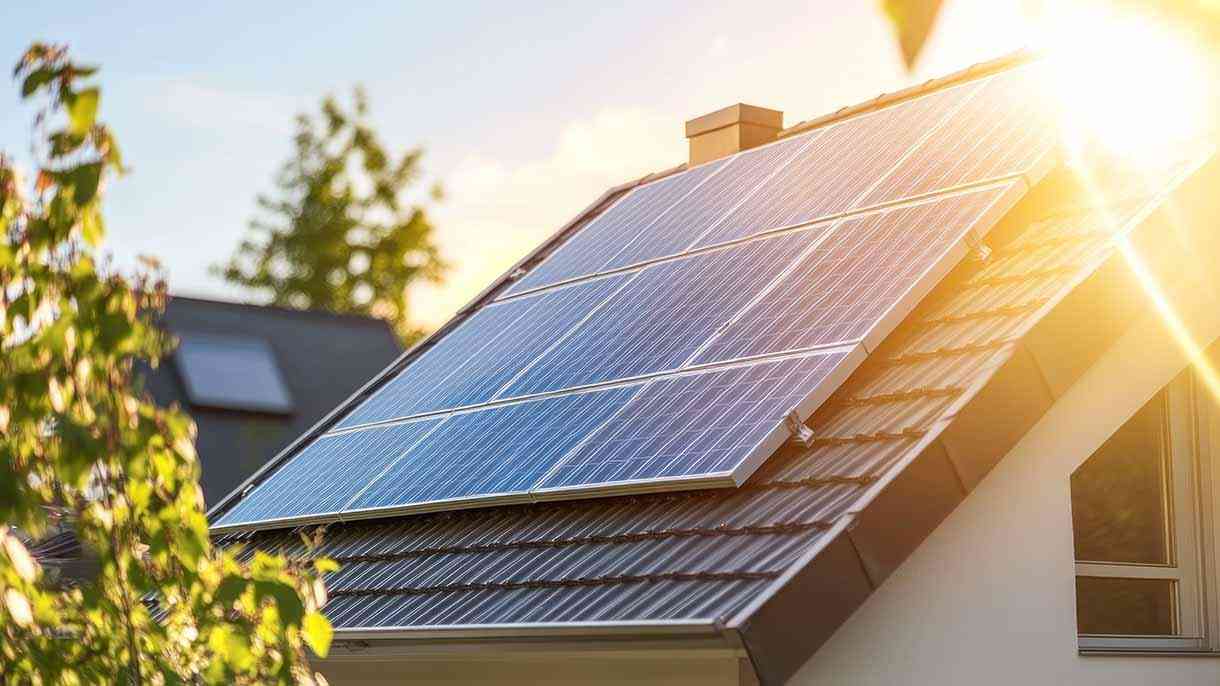
Microgrids, embedded generation, rooftop solar, industrial captive plants, battery storage systems, these are not alternative energy solutions anymore. They are becoming structural components of national energy systems.
When properly engineered, decentralisation reduces transmission losses, improves voltage stability, enhances resilience, and allows faster expansion of energy access. In rural Africa, it means electrification without waiting for national grid expansion. In industry, it means energy security without full dependence on unstable networks.
But decentralisation without control becomes chaos. That is why engineering discipline is essential. A decentralised system must still be synchronised, monitored, protected, and intelligently managed.
This is where technology becomes an ally. Smart grids, SCADA systems, digital substations, and advanced metering infrastructure are no longer optional, they are essential. They allow us to see the grid in real time, respond to disturbances faster, and optimise performance continuously.
Africa must not repeat the mistake of building yesterday’s systems with today’s resources while ignoring tomorrow’s demands.
We must build forward-looking infrastructure.
When I look at Zimbabwe specifically, I see both challenge and opportunity. The challenge is visible, constrained generation capacity, ageing infrastructure, and system inefficiencies. But the opportunity is equally visible, abundant solar potential, regional integration possibilities, industrial demand growth, and a strong base of technical talent that can be developed further.
What is required is not just investment. It is strategic coordination. It is execution discipline. It is long-term infrastructure thinking.
Electricity cannot be treated as a political project alone. It must be treated as an engineering system that responds to physics, not opinions. Frequency does not respond to speeches. Voltage does not respond to promises. Stability does not respond to intentions. These are governed by design, mathematics, and operational discipline.
Africa must therefore elevate engineers into the centre of energy decision-making. Not as advisors at the edge, but as core architects of national systems.
Because only engineers understand what it takes to keep a grid stable under pressure.
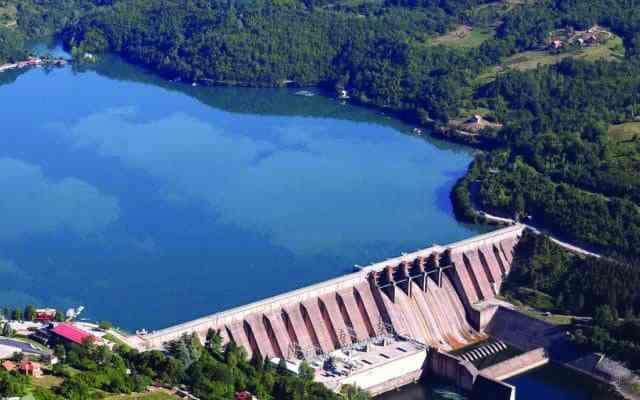
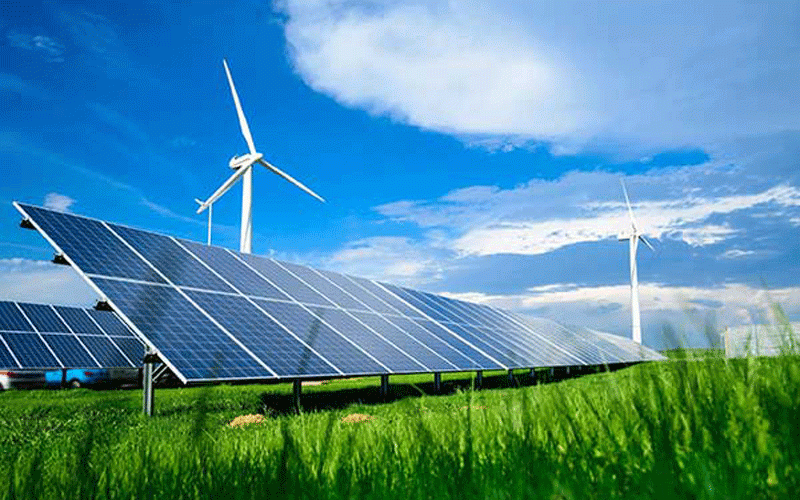
The global energy rebound also presents Africa with a rare window in history. The world is transitioning towards cleaner energy systems, and Africa has the natural advantage, sun, wind, water, land, and critical minerals. But advantage without execution is wasted potential.
We must build manufacturing capacity for energy infrastructure. We must develop regional power pools into fully functional energy markets. We must strengthen cross-border interconnections. We must invest in storage technologies. And above all, we must build systems that are designed for African realities, not imported assumptions.
I often say that Africa does not need copied solutions. Africa needs engineered solutions.
As I conclude this reflection, I return to a simple truth that has guided my professional journey: electricity is not just a utility. It is the heartbeat of economic existence. When electricity is stable, everything else becomes possible. When it is unstable, everything else becomes constrained.
The global energy rebound is not something Africa should observe. It is something Africa should participate in, shape, and lead in certain areas.
But only if we are willing to think differently, build differently, and execute with discipline.
The future energy systems of Africa will not be defined by the size of our ambitions alone, but by the strength of our engineering decisions.
And I remain convinced:
Africa will not rise by accident. It will rise by design.