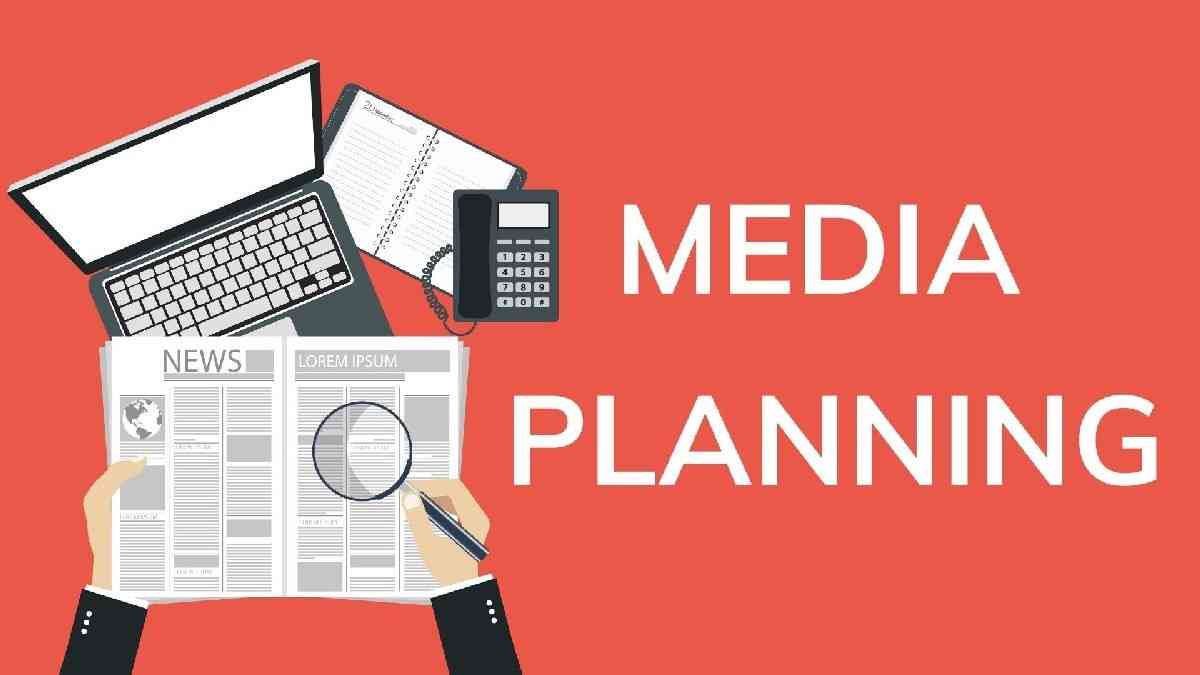
Media Planning is the strategic process of deciding where, when, and how to display personalised adverts.
You need to carefully examine your messaging, channels, audiences, and ad content to develop effective marketing plans.
Planning media is a crucial aspect of good communication because it makes ads more effective, helps people remember your brand, and monitors how much money you spend.
The process includes setting goals, selecting media, creating a budget, identifying an audience, crafting a message, scheduling, and continuously improving a campaign.
Media planning is distinct from media buying, as it involves working strategically with media buyers to achieve the best return on investment.
It is important for pan-African entrepreneurs to gain a thorough understanding of the strategic significance of media planning.
In this regard, we take you through some key points emphasising its importance, as highlighted below:
Best use of resources: Why media planning matters. By carefully selecting the right medium and timing, advertising can reach a larger audience more efficiently and at a lower cost.
- Business opinion: Branding in the age of entrepreneurship and industrialisation (Part 22)
- Business opinion: Branding in the age of entrepreneurship and industrialisation (Part 21)
- Business opinion: Branding in the age of entrepreneurship and industrialisation (Part 20)
- Business opinion: Branding in the age of entrepreneurship and industrialisation (Part 19)
Keep Reading
If media planning is not done correctly, costly media channels that only reach a small portion of the target audience might be chosen.
Achieving advertising goals: Media planning is designed to align with a company's marketing and advertising objectives and forms part of a broader advertising strategy.
Making key decisions such as selecting the appropriate media, determining the media mix, and scheduling when to broadcast advertisements all contribute to reaching your advertising aims, including conveying your message and increasing sales.
Selecting the appropriate media: Media planning involves carefully analysing different types of media, considering factors like cost per reader, cost per viewer, media image, coverage, and ratings.
Marketers ensure that the media they select meets the needs of their target audience.
When designing media campaigns, it's also essential to consider how to deliver the message effectively, including choosing audio-visual platforms for demonstrations.
Choosing the best media mix: Media planning helps you select the ideal media mix, ensuring you have a variety of media to reach your target market thoroughly.
A well-considered media mix increases the likelihood that advertising objectives will be achieved because a single medium may not be capable of reaching all segments of the target audience.
Allocation of the advertising budget: During the media planning phase, decisions are made regarding how to divide the advertising budget among various media types and platforms. By determining the optimal media mix, advertising managers can systematically distribute the entire budget across different media channels.
Strategic timing of advertising: Media planning involves ensuring that advertisements are shown at optimal times to achieve the best outcomes.
Selecting the appropriate month, day, and hour for marketing is quite crucial.
Media planning ensures that ads are displayed more frequently during busy periods and less often during quieter times. It also considers the best moments to communicate with the target audience, ensuring that engagement is maximised.
Help with control: Media planning helps assess how effectively media performs by establishing standards for how well it reaches its target audiences.
If the coverage is inadequate, the advertising manager should consider alternative media outlets or take corrective action.
This indicates that the media isn't functioning properly. Media planning is one method to influence media strategy.
However, media planning is not a rosy pursuit; it is marked by highs and lows, and some of the difficulties and challenges are highlighted below:
Budgetary constraints: When budgets are limited, media planning can be challenging. Media planners must employ both strategic and innovative approaches to overcome this issue.
Utilising media planning software, conducting media audits, and optimising the use of media are all crucial.
Incorporating low-cost or free media channels like social media, email marketing, and content marketing alongside paid media activities helps to manage the budget more effectively.
Media fragmentation: Media planners address this challenge by understanding their audience and media consumption habits thoroughly.
It is vital to craft a distinctive message and then assess its impact through media evaluation.
Employing strategies such as frequency, timing, and location enhances the message's visibility and accessibility.
Media clutter: There are too many messages in the media, which makes it harder for people to pay attention to and remember them.
To address this, media planners ensure that the message stands out and remains in people's minds.
Finding the unique selling proposition (USP) and value proposition (VP), creating content that is interesting and useful, and selecting media options that match the audience's needs are all ways to overcome the issue of media clutter.
Dynamic media environment: The media landscape is constantly evolving due to technology, new ideas, regulations, competition, or people's behaviour.
This makes things more challenging. Media planners need to be adaptable and quick to respond to these changes.
Using technologies like media monitoring, scanning, and forecasting can help identify and anticipate shifts.
Planners may also recognise and seize new media opportunities by embracing media learning, experimentation, and innovation.
Until then, think, eat, sleep, and dream about branding!
*Dr Farai Chigora is a businessman and academic. He is a senior Lecturer at the Africa University’s College of Management and Business Sciences. Also a global business modelling practitioner. His doctoral research focused on Business Administration (Destination Marketing and Branding Major, Ukzn, SA). He is into agribusiness and consults for many companies in Zimbabwe and Africa. He writes in his personal capacity and can be contacted for feedback and business at [email protected], www.fachip.co.zw, WhatsApp mobile: +263772886871.
Dr Tabani Moyo is an extra-ordinary researcher with the University of North West, South Africa’s Social Transformation School. His holds a Doctorate in Business Administration (Research focus on new media and corporate reputation management, UKZN), chartered marketer, fellow CIM, communications and reputation management expert based in Harare. He can be contacted at [email protected] @TabaniMoyo (Twitter