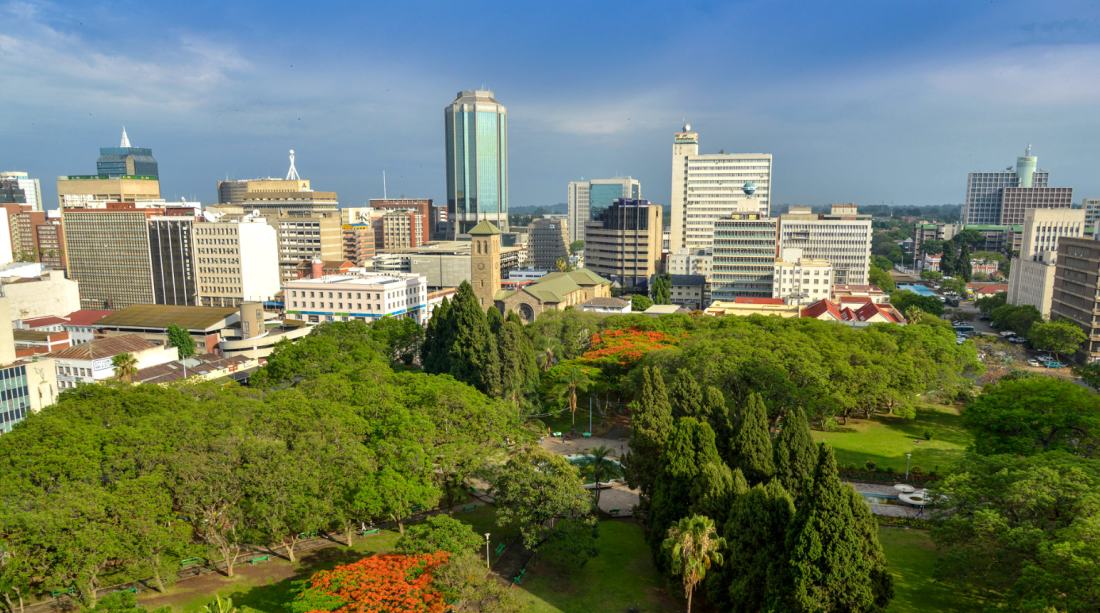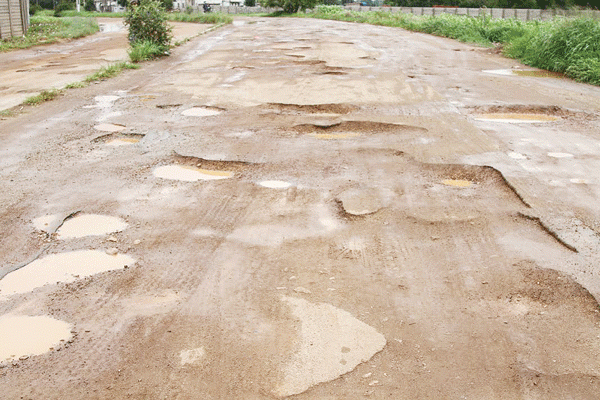
OUR cities speak — not through poetry, but through potholes, polluted drains and lakes, and restless crowds.
Their language is cracked pavements, decaying walls, and chaos in the streets. Listen carefully, and you’ll hear their message: our environment is a mirror of our soul.
Urban rot, corruption, waste, and apathy are not accidents of economics. They are expressions of inner disconnection — symptoms of a collective spiritual illness. The state of our streets reveals the state of our hearts.
In a world obsessed with fixing problems through money and technology, we forget that the wounds we are trying to patch are not physical but spiritual. We can buy garbage trucks, but not discipline. We can fund clean-up campaigns, but not conscience. We can import technology, but not integrity.
Trying to fix social and environmental decay without addressing the inner moral collapse is like using drugs to escape personal pain — temporary relief masking deep infection. Development without soul is a polished coffin: shiny outside, lifeless within.
Every crisis today is followed by a chorus of blame. Government blames citizens; citizens blame leadership; leaders blame history. Yet Ubuntu reminds us: a finger that points forgets it is part of the hand.
Name-calling and ridicule, now normalised in public discourse, are not signs of courage but indicators of internal brokenness. In African tradition, insults were never celebrated; they were treated as warning lights — like a dashboard signal that something is wrong beneath the hood of the soul.
When people lash out, it is often pain speaking. When communities gossip and condemn, it is trauma echoing through generations. Behind every act of corruption or apathy lies a deeper cry for healing. Until that pain is seen and transformed, no policy or budget can save us.
- Teachers, other civil servants face off
- Veld fire management strategies for 2022
- Magistrate in court for abuse of power
- Vungu Dam water treatment and irrigation project takes off
Keep Reading
Our newspapers overflow with announcements of “smart cities,” “green funds,” and “infrastructure milestones.” But despite new budgets, new councils, and new technologies, the same problems persist. Why? Because the sickness is moral, not mechanical.
Each new initiative is like repainting a cracked wall without fixing its foundation. We chase comfort instead of connection, profits instead of purpose, and forget that true development starts from within. The soil of our hearts determines the fruit of our societies.
Before colonisation introduced material obsession and competitive individualism, African societies viewed the environment as sacred. Every harvest began with a prayer. Every tree cut was followed by a ritual of gratitude. The economy was circular because life itself was seen as circular — what you take, you must give back.
This heritage-based wisdom is not outdated; it is the missing blueprint of modern sustainability. We cannot import wholeness from the West. We must remember what we already know: that the land and the spirit are one, and that to violate one is to wound the other.
The balance of our inner world determines the balance of our outer one. Just as polluted rivers kill fish, polluted emotions kill compassion. Moral erosion leads to soil erosion; greed leads to deforestation; indifference leads to drought.
We cannot heal the earth while our spirits remain toxic. The climate crisis is also a conscience crisis. Every act of littering, every bribe, every careless decision is an oil spill on the human soul. Until we restore internal ecology — peace, gratitude, empathy, and discipline — external restoration will remain cosmetic.
Real regeneration begins when we treat corruption, conflict, and decay as symptoms of unhealed trauma rather than permanent defects. Trauma-informed communities recognise that destructive behaviour often stems from pain. Healing then becomes an act of compassion, not condemnation.
Imagine rehabilitation programs for public officials that integrate mindfulness, emotional literacy, and values reflection — not just policy training. Imagine city clean-ups that begin with storytelling circles about loss and hope. Imagine environmental campaigns that honour ancestors and future generations alike. That is what it means to rebuild from the inside out.
Governance driven by values is governance with vision. Compassion, integrity, cooperation, and accountability must move from posters on the wall to principles in the bloodstream of institutions.
This shift demands courageous leadership — leaders who understand that healing people is as urgent as paving roads; that nurturing ethics is as vital as managing budgets. It also calls for citizens who take responsibility for their micro-worlds: their homes, streets, workplaces, and schools.
When inner order returns, outer order follows naturally.
Healing starts when we move from blame to belonging. The farmer, the street vendor, the councillor, the teacher — all are members of one ecological body called community. Each action affects the whole.
Restoration begins in the smallest gestures: sweeping your own frontage, planting a tree, mentoring a youth, forgiving a neighbour, choosing honesty when no one is watching. These acts ripple outward, gradually repairing both the social and environmental fabric of the nation.
We are not short of knowledge — we are short of wisdom. We are not poor in resources — we are poor in reverence. What our cities need most is not more equipment, but more equilibrium.
When inner peace governs our decisions, clean streets, honest systems, and green spaces will emerge effortlessly. The moment we remember who we are — custodians, not consumers — the environment will respond with gratitude.
Because the earth mirrors us. If we heal, it heals.
Let us replace blame with reflection, consumption with connection, arrogance with awareness. Let us once again treat the land, rivers, and air as family, not property.
Healing before resources must be our new national philosophy. For only a healed soul can manage wealth wisely; only a re-connected people can rebuild responsibly.
So when we talk about “urban renewal,” let’s include soul renewal. When we draft “environmental policy,” let’s also draft “emotional policy.” When we plant trees, let’s also plant truth.
Our collapsing cities are not failures of engineering — they are cries for empathy. The garbage on our streets is the grief of neglected values. The pollution in our rivers is the residue of unresolved pain.
Until we cleanse the inner world, the outer one will remain dirty no matter how many machines we deploy.
Because the true landfill is not outside.
It is inside the human heart.
And only when we reclaim that sacred ground will our cities finally bloom again.
“The state of the environment is not a crisis of infrastructure. It is a crisis of conscience.”