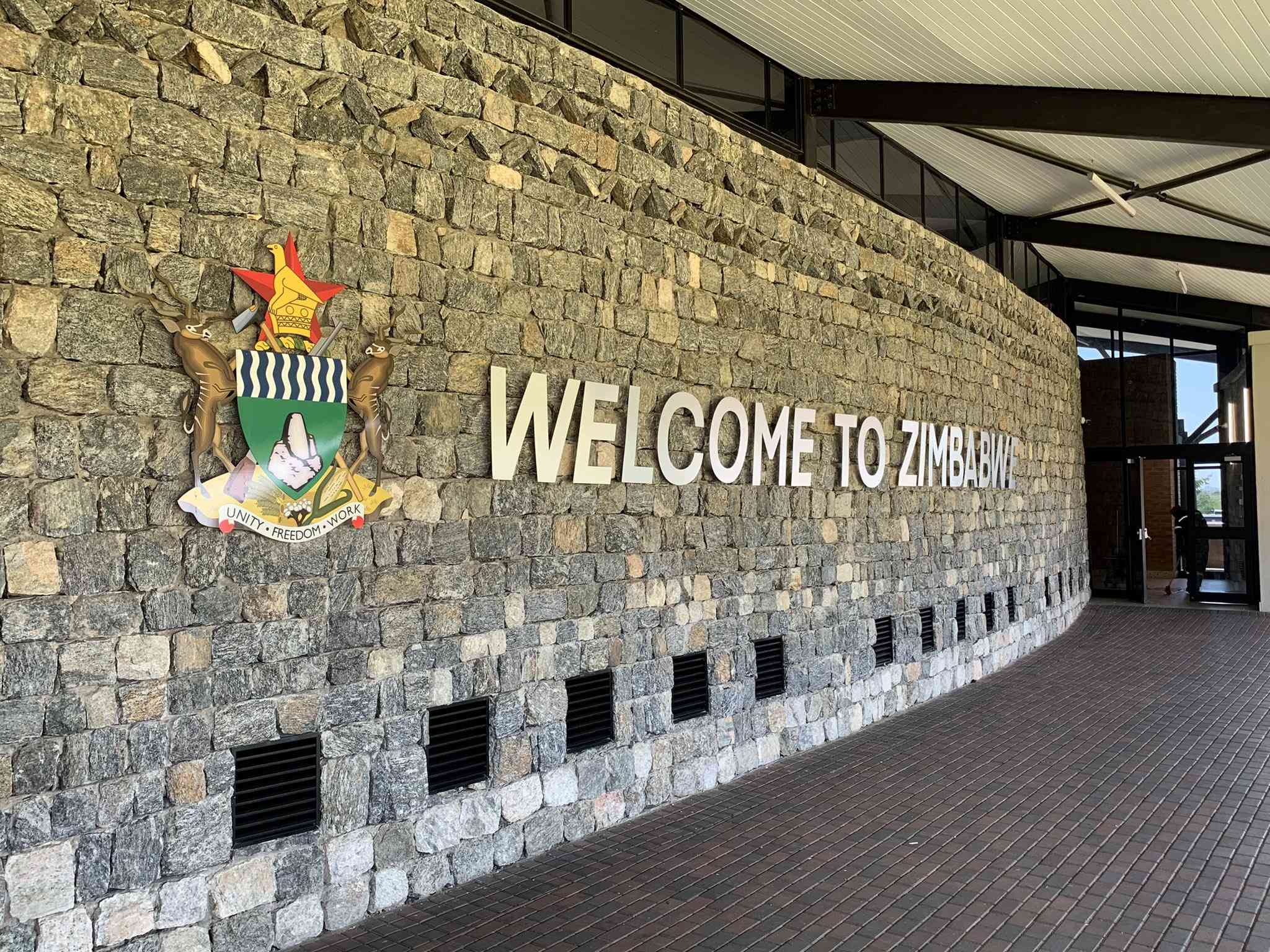
The recent reports of prolonged delays and stringent enforcement of customs regulations by the Zimbabwe Revenue Authority (Zimra) at the Beitbridge border post have ignited widespread debate across Zimbabwe.
While the government’s efforts to enhance compliance and curb smuggling are understandable and necessary for national development, it is imperative that these interventions strike a delicate balance between regulation and the protection of livelihoods.
Cross-border trading remains a critical source of employment and economic survival for thousands of Zimbabweans, particularly women.
Any policy enforcement that fails to recognise this reality risks deepening poverty and undermining socio-economic progress.
The intensification of searches and strict enforcement of the US$200 personal rebate has resulted in significant delays, confiscation of goods, and distress among travelers and traders.
Reports of buses being held for hours and goods being seized highlight the urgent need for a more inclusive, humane, and development-oriented approach to border management.
While regulatory authorities must uphold the law, it is equally important that such enforcement aligns with Zimbabwe’s broader national goals of economic empowerment, poverty reduction, and inclusive growth.
Cross-border trading is not merely an economic activity—it is a lifeline. For decades, Zimbabweans have relied on regional trade, particularly with South Africa, Botswana, and Zambia, to sustain their households.
- Letters to the editor: PVOs Bill must be shot down
- KIFC eyes Zim financial sector
- New perspectives: Impact of tax policy on gender equality
- Scrap IMTT to save industry, govt urged
Keep Reading
In the face of limited formal employment opportunities, this sector has emerged as one of the most resilient pillars of Zimbabwe’s informal economy.
It provides income, ensures food security, and contributes to local supply chains by making essential goods accessible and affordable.
Women constitute the majority of cross-border traders. Many are single mothers, widows, or primary breadwinners who rely on this trade to pay school fees, cover medical expenses, and support extended families.
For them, cross-border trading is not an option but a necessity. Any disruption to their activities directly affects household welfare and community resilience.
The importance of the informal economy in Zimbabwe cannot be overstated. It is estimated that over 80%of the country’s workforce operates within this sector.
Cross-border traders play a pivotal role in sustaining micro, small, and medium enterprises (MSMEs), stimulating local economies, and supporting regional integration.
Therefore, policies that inadvertently criminalise or marginalise these traders threaten to destabilise a critical economic safety net.
Zimra’s efforts to enforce customs regulations and combat illicit trade are both legitimate and essential.
Effective tax collection contributes to national revenue, infrastructure development, and public service delivery.
However, enforcement must be balanced with empathy and an understanding of socio-economic realities.
Policies that are overly rigid risk penalising vulnerable populations rather than addressing systemic challenges.
A balanced approach requires regulatory frameworks that protect government revenue while simultaneously promoting inclusive economic participation.
Instead of punitive measures that lead to confiscations and financial losses, authorities should adopt supportive mechanisms that encourage compliance and empower traders to operate within the law.
Striking this balance involves engaging stakeholders, including informal traders’ associations, civil society organisations, and development partners.
Such collaboration ensures that policy implementation is informed by the lived experiences of those directly affected. Inclusive dialogue fosters trust, enhances compliance, and strengthens the legitimacy of regulatory institutions.
The current developments at Beitbridge underscore the urgent need to advance the formalisation of the informal economy in a manner that is inclusive, progressive, and sustainable.
Formalisation should not be perceived as a punitive process but as an opportunity to empower traders, expand their businesses, and integrate them into mainstream economic systems.
The International Labour Organisation (ILO) defines formalisation as the transition of economic units from the informal to the formal economy while ensuring decent work, legal recognition, and social protection.
Zimbabwe has already demonstrated commitment to this agenda through policy frameworks aimed at promoting MSMEs and enhancing financial inclusion.
However, the success of these initiatives depends on their practical implementation and alignment with the realities of informal workers. For cross-border traders, formalisation should translate into simplified procedures, predictable regulatory environments, and access to markets, finance, and training.
Enforcement efforts must therefore be guided by a developmental approach that recognises informal traders as economic partners rather than adversaries.
One of the key challenges facing cross-border traders is limited awareness of customs regulations and documentation requirements.
Many traders lack access to information, training, and technical support, making compliance difficult and costly.
This knowledge gap often results in unintentional violations, penalties, and confiscation of goods. Capacity building is essential in addressing these challenges.
Government agencies, in collaboration with civil society organisations and development partners, should invest in training programmes that equip traders with the necessary skills and knowledge.
Empowering traders through education not only enhances compliance but also promotes entrepreneurship, productivity, and economic resilience. Organisations such as the Vendors Initiative for Social and Economic Transformation (Viset) remain committed to supporting such initiatives and advocating for policies that uplift informal economy workers.
The operationalisation of simplified trade regimes (STRs) presents a practical and sustainable solution to the challenges faced by small-scale cross-border traders.
STRs are designed to facilitate low-value trade by reducing bureaucratic procedures, lowering transaction costs, and simplifying customs documentation.
These regimes have been successfully implemented in other regional blocs and have demonstrated their effectiveness in promoting legal and efficient trade.
Zimbabwe, as a member of regional bodies such as the Southern African Development Community (Sadc) and the Common Market for Eastern and Southern Africa (Comesa), stands to benefit immensely from the full implementation of STRs.
By harmonising trade policies and simplifying clearance processes, the country can unlock the potential of small-scale traders while enhancing revenue collection.
Given that women dominate cross-border trading, policy interventions must be gender-responsive.
Women traders face unique challenges, including harassment, insecurity, limited access to finance, and restricted mobility.
Strict enforcement measures that fail to account for these realities disproportionately affect their livelihoods and exacerbate gender inequalities.
A gender-sensitive approach to border management should include:
n Safe and dignified treatment of traders at border posts;
n Access to information in local languages;
n Dedicated help desks for small-scale traders;
n Affordable and transparent duty structures;
n Protection from exploitation and corruption;
n Access to childcare and sanitation facilities.
Protecting women in cross-border trade is not merely a social obligation—it is an economic imperative. Empowering women strengthens families, communities, and national economies.
The challenges witnessed at Beitbridge highlight the importance of continuous dialogue between policymakers, regulatory authorities, and informal economy stakeholders.
Sustainable solutions can only emerge through collaborative engagement that prioritises inclusivity and mutual understanding.
Viset calls for the establishment of structured platforms that bring together Zimra, traders’ associations, civil society organisations, and government ministries.
These platforms would facilitate information sharing, policy consultations, and joint problem-solving.
Constructive engagement will help bridge the gap between regulation and livelihood protection, ensuring that enforcement measures are both effective and equitable.
The tightening of rebate enforcement at Beitbridge underscores the need for a nuanced and balanced approach to border management.
While regulatory compliance is essential, it must not come at the expense of the livelihoods of vulnerable citizens.
Cross-border trading remains a vital source of employment, particularly for women who rely on it for survival.
There is an urgent need to align enforcement measures with the broader goals of formalisation, economic inclusion, and sustainable development.
Capacity building, simplified trade regimes, and gender-sensitive policies offer practical pathways to achieving this balance.
As the Viset executive director), I urge policymakers, regulatory authorities, and stakeholders to work collaboratively in crafting solutions that protect both national interests and the dignity of informal traders.
By doing so, Zimbabwe can transform its borders from barriers into gateways of opportunity.
Striking the right balance is not merely an economic necessity—it is a moral imperative.
Only through inclusive and compassionate governance can we build a resilient, equitable, and prosperous Zimbabwe for all.
- Samuel Wadzai is an informal economy expert and currently the executive director for the Vendors Initiative for Social and Economic Transformation (Viset), He holds a Masters Degree in Human Resources Development, Feedback: Email address: [email protected]
- These weekly articles published are coordinated by Lovemore Kadenge, an independent consultant, managing consultant of Zawale Consulants (Private) Limited, past president of the Zimbabwe Economics Society and past president of the Chartered Governance & Accountancy Institute in Zimbabwe. Email- [email protected] and Mobile No. +263 772 382 852