When the world hears the word "pandemic," it often thinks of diseases that spread rapidly, overwhelm health systems and disrupt economies. Yet another pandemic has persisted quietly for decades, affecting millions of people every day without attracting the same level of urgency. This is the energy pandemic — the persistent lack of adequate, reliable, affordable and sustainable energy that continues to constrain economic growth, social progress and industrial development across much of Africa.
Energy is the single most important enabler of development. It is far more than electricity generation and transmission infrastructure. Energy powers industries, drives innovation, supports healthcare, strengthens education systems and creates opportunities for communities to prosper. Without energy, development remains an aspiration. With energy, development becomes achievable.
Despite progress made in recent years, the energy pandemic remains with us. Its effects are visible in businesses that close early because of unreliable power, hospitals struggling to operate critical equipment, schools unable to fully embrace digital learning, industries operating below capacity and entrepreneurs whose ambitions are delayed by inadequate energy infrastructure.
Across Africa, including Zimbabwe, access to reliable energy remains one of the greatest obstacles to sustainable economic growth. While investments have been made in generation and transmission infrastructure, demand continues to outpace supply. Population growth, urbanisation, industrial expansion and technological advancement have significantly increased energy requirements, yet infrastructure development has not always kept pace.
The economic consequences are substantial. Every power outage results in lost productivity. Every factory operating below capacity reduces national output. Every investor discouraged by energy uncertainty represents a missed opportunity for employment creation and economic growth. Energy shortages are not merely technical challenges; they are major economic constraints.
I have often described electricity as the main economic artery of every nation. Just as blood sustains life in the human body, energy sustains life in an economy. No country has achieved meaningful industrialisation without securing reliable energy supplies. The world's most developed economies invested heavily in energy infrastructure because they understood that every sector depends upon it.
As Zimbabwe pursues Vision 2030 and Africa advances Agenda 2063, energy must occupy a central place in development planning. Industrialisation, modern agriculture, digital transformation and economic diversification all depend on reliable electricity. Every national aspiration ultimately rests on the strength of the energy sector.
Energy security is equally important for national stability and competitiveness. Reliable power strengthens economic activity, improves service delivery, boosts investor confidence and creates conditions necessary for sustainable growth. Energy should therefore be treated as a strategic national priority rather than simply a utility service.
- Mavhunga puts DeMbare into Chibuku quarterfinals
- Open letter to President Mnangagwa
- Feature: ‘It’s worse right now than under Mugabe’: Sikhala pays the price of opposition in solitary cell
- Masvingo turns down fire tender deal
Keep Reading
The conversation around energy must also include sovereignty and resilience. Nations that depend excessively on external energy sources expose themselves to economic and geopolitical vulnerabilities. Countries that invest in domestic energy production strengthen their ability to shape their own development pathways and improve their competitiveness in an increasingly complex global economy.
The social consequences of energy poverty are equally profound. Communities without reliable electricity face disadvantages that extend far beyond lighting. Educational outcomes suffer, healthcare services become limited, access to information declines and economic opportunities diminish. The result is a cycle of poverty that becomes increasingly difficult to break.
I have witnessed communities transformed through electrification projects. Small businesses emerge, healthcare services improve, young people gain access to technology and farmers increase productivity. These experiences reinforce my conviction that energy remains one of the most powerful tools for poverty reduction and social transformation.
The burden of energy poverty falls disproportionately on rural communities, many of which continue to have limited access to modern energy services despite contributing significantly to agricultural production and natural resource development. Expanding rural electrification should not be viewed as charity but as a strategic investment in national development.
Women and children are often among the most affected. In many communities, they spend considerable time collecting firewood and managing household energy needs. Access to modern energy frees time for education, entrepreneurship, skills development and income-generating activities, thereby advancing gender equality and community empowerment.
Environmental sustainability must also form part of the solution. Africa requires significant energy expansion to support development while simultaneously responding to the realities of climate change. Fortunately, the continent possesses enormous renewable energy potential.
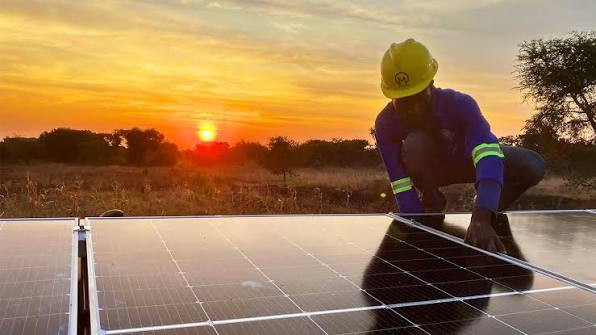
Zimbabwe enjoys abundant sunshine for most of the year, making solar energy one of its greatest opportunities. Beyond solar, Africa has substantial hydroelectric, wind, geothermal, biomass and natural gas resources. These assets provide a pathway towards sustainable energy expansion while reducing environmental pressures.
However, renewable energy must be pursued strategically rather than as a fashionable trend. Effective energy systems require a balanced mix of resources that ensure reliability, affordability and sustainability. The goal should be to develop solutions that serve local development needs while supporting long-term environmental objectives.
Africa must position itself as an active participant in the global energy transition. The continent possesses many of the critical minerals required for renewable technologies, including lithium, cobalt, copper, graphite and nickel. Yet for decades, Africa has exported raw materials while importing finished products. This model cannot sustain long-term development.
The future belongs to nations that add value to their resources. Africa must move beyond extraction and embrace beneficiation, manufacturing, research and innovation. The global energy transition presents a unique opportunity for industrialisation and sustainable growth, but only if we approach it with strategic vision and determination.
Another challenge is the growing skills gap within the energy sector. Infrastructure alone will not solve the energy pandemic. Africa needs engineers, technicians, scientists, project managers, researchers, entrepreneurs and policymakers capable of designing, operating and improving modern energy systems. Investment in education and technical training today will determine our ability to meet tomorrow's energy demands.
Partnerships will also be essential. Governments, the private sector, development partners, academic institutions and local communities all have a role to play. Collaboration and innovation must work together to accelerate energy development and expand access across the continent.
Having spent many years in the energy sector, I remain optimistic. I have seen communities transformed through electricity, businesses grow because power became available and young innovators develop solutions capable of changing lives.
My vision is to see Zimbabwe industrialise and Africa prosper. I want to see factories operating at full capacity, universities becoming centres of innovation and rural communities enjoying the same opportunities available in urban areas. I want to see Africa emerge as a global leader in energy development, manufacturing and technological advancement.
The energy pandemic is still with us, but it is not insurmountable. The resources exist. The technology exists. The expertise exists. What remains is the collective commitment to act boldly, strategically and consistently.
History will not judge our generation by the challenges we inherited but by the solutions we created. Future generations deserve reliable electricity, thriving industries, modern infrastructure, sustainable environments and prosperous economies.
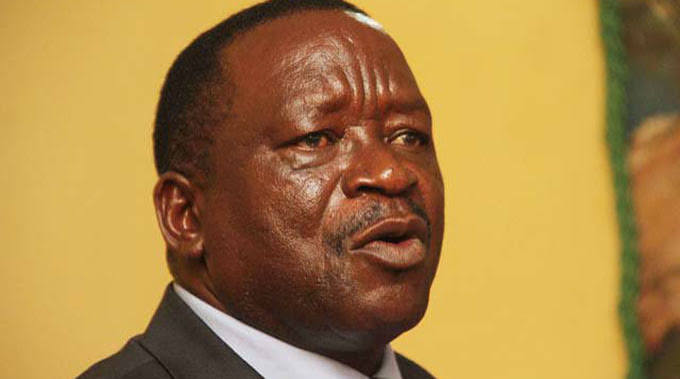
*Dr Engineer Edzai Kachirekwa is an energy expert, infrastructure strategist, advocate for sustainable development and Africa's industrial transformation