I believe Zimbabwe's greatest investment advantage lies in the combination of its abundant natural resources, highly skilled human capital and strategic location within Southern Africa.
From an energy perspective, our country is richly endowed with vast solar resources, significant hydroelectric potential, coal reserves, opportunities in biomass and geothermal energy, as well as growing demand for modern energy solutions.
However, natural resources alone do not create economic success.
Real value is created when technical expertise, investment partnerships, infrastructure development and sound public policy come together to transform those resources into productive economic assets.
As Zimbabwe continues to grow its economy, collaboration must become the cornerstone of long-term national development.
Energy is not merely a utility—it is the backbone of economic transformation.
It powers agriculture, mining, manufacturing, healthcare, education and every productive sector of the economy. Likewise, digital connectivity has become equally essential.
Energy and digital infrastructure are now the two pillars upon which modern economies are built.
- Why are we still pitting jobs against public health?
- Rwandanese Refugee Arrested For US$85 240 theft
- Ishan basks in Annatoria collabo glory
- Mama’s peanut butter maker injects US$1,5m, lifts award
Keep Reading
As an engineer, I often say that electricity provides the power while digital technology provides the intelligence.
One cannot effectively exist without the other.
We cannot industrialise without reliable electricity, and we cannot build a thriving digital economy without dependable power infrastructure.
Serious investment in manufacturing, mining, artificial intelligence, fintech, cloud computing and data centres all depends on stable energy systems.
One of Zimbabwe's greatest strengths is its people. We are blessed with one of Africa's most educated and technically skilled youthful populations.
Investors are no longer attracted by natural resources alone; they seek countries with talent, innovation, stability and the capacity to create value. Zimbabwe possesses these qualities.
A nation that invests in knowledge, innovation and technical excellence builds sustainable prosperity, while a nation that neglects education risks what I often describe as "economic malnutrition."
The opportunities within Zimbabwe's energy sector are immense.
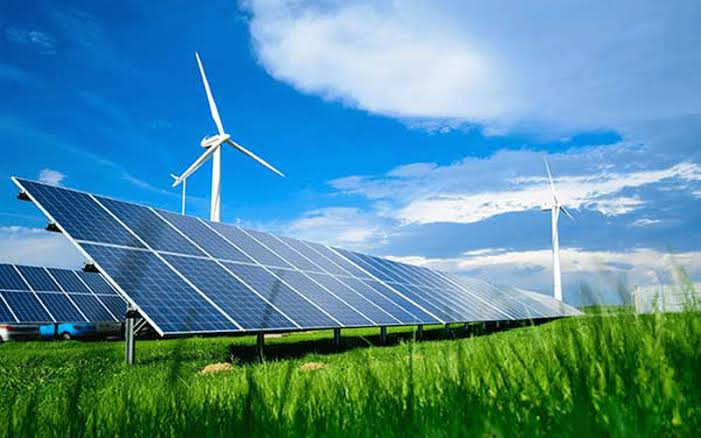
We are entering an era of renewable energy development, battery energy storage systems, smart grids, mini-grids, industrial power solutions, electric mobility and energy efficiency technologies.
These opportunities extend beyond generating electricity.
They include manufacturing equipment, engineering services, software development, digital monitoring systems and innovative financing models.
Similarly, the digital economy is opening new frontiers through artificial intelligence, fintech, cloud computing, cybersecurity, e-commerce and automation.
When supported by reliable energy infrastructure, these technologies become powerful engines for entrepreneurship, industrialisation and inclusive economic growth.
Innovation must remain central to Zimbabwe's development agenda.
Rather than relying exclusively on imported technologies, we should encourage Zimbabwean engineers, scientists and entrepreneurs to develop solutions suited to our own realities.
Smarter electricity grids, distributed generation, renewable integration and advanced energy storage are examples of innovations capable of transforming how we produce and consume electricity.
Innovation also builds investor confidence. Investors are attracted to countries that demonstrate creativity, adaptability and future readiness.
Zimbabwe already has the intellectual capacity to become a regional leader in energy innovation if we continue investing in research, technology and engineering excellence.
At the same time, investors look beyond opportunity.
They seek reliable infrastructure, predictable operating conditions, transparent governance and capable local partners.
Zimbabwean businesses must therefore position themselves not merely as beneficiaries of investment but as credible partners capable of delivering world-class projects through professionalism, integrity and technical competence.
From my own experience in the energy sector, I have seen that every infrastructure challenge presents an opportunity for innovation, entrepreneurship and investment.
Whether in renewable energy, grid modernisation or industrial electrification, Zimbabwe offers significant opportunities for businesses prepared to invest in long-term solutions.
As we embrace digital transformation, we must also recognise that reliable electricity, digital infrastructure and cybersecurity are now inseparable.
A modern economy resembles an advanced engineering system where every component depends on the other.
Electricity powers digital infrastructure, digital systems improve efficiency, while cybersecurity safeguards the entire ecosystem. Sustainable development demands that all three evolve together.
The greatest impact of energy investment is not only measured by megawatts generated but by the industries it enables.
Reliable electricity allows factories to increase production, farmers to expand irrigation, mines to improve beneficiation and entrepreneurs to establish new businesses.
Likewise, technology creates opportunities through software development, digital services, innovation hubs and global remote work.
Our greatest job creation strategy is therefore not simply employing people directly, but creating an environment where thousands of businesses can thrive.
That is why collaboration between government, financial institutions, private industry, universities, engineers and innovators is indispensable.
Government provides policy direction, financial institutions unlock capital, industry delivers investment and execution, while universities generate research and innovation. Together, these partnerships transform ideas into lasting economic impact.
Looking ahead, I see enormous opportunities across energy, mining value addition, agriculture, manufacturing, infrastructure and technology. Zimbabwe has every ingredient required to become a regional investment hub by combining its natural resources with engineering excellence, innovation and entrepreneurial talent.
My message to investors is simple. Zimbabwe is not merely a market—it is a partner. Successful investors do not invest only in today's realities; they invest in tomorrow's possibilities. Our country has abundant resources, strategic location, skilled people and a population eager to innovate and build.
As the Doctor of Electricity, I remain convinced that Zimbabwe's next chapter will be written through collaboration, investment and innovation. Energy will power our industries, technology will accelerate our progress, and together they will shape a more competitive and prosperous economy. The future belongs to those willing to build it together, and I believe Zimbabwe is ready.