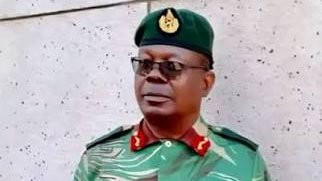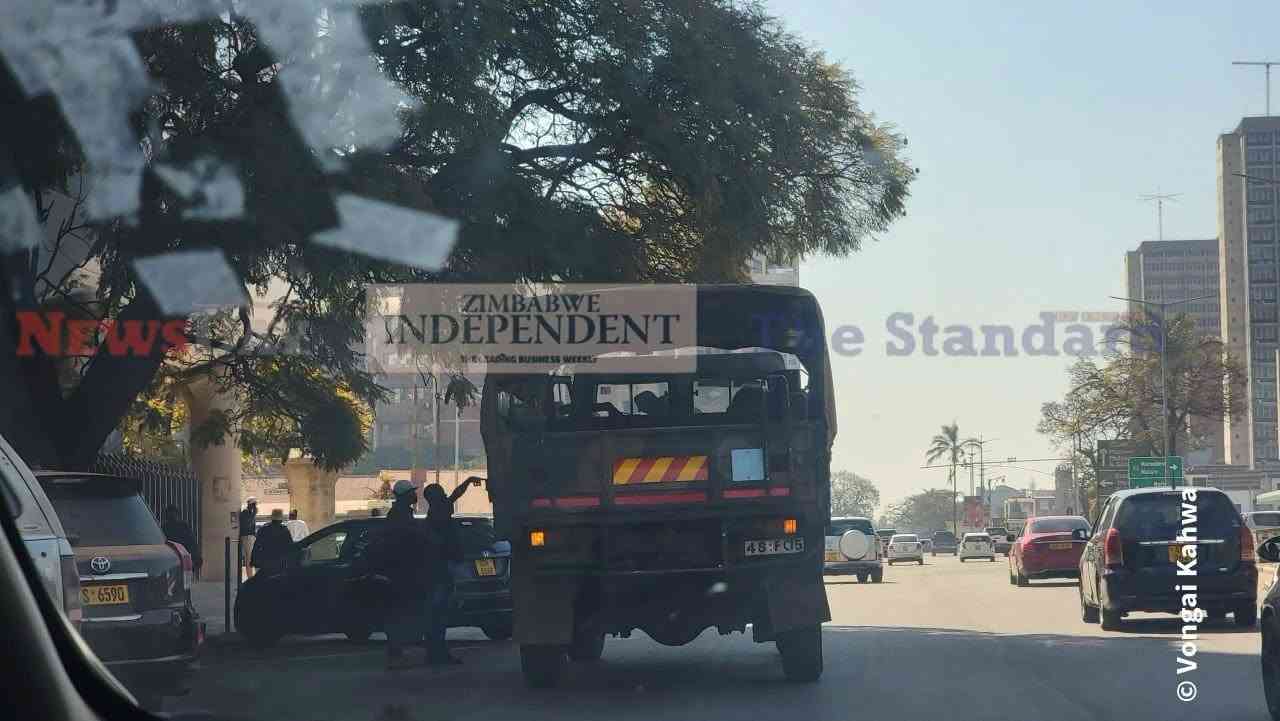
The recent public intervention by Zimbabwe National Army (ZNA) commander Lieutenant General Walter Asher Tapfumaneyi regarding the July 31 protests is more than a "rare" commentary, but a deeply concerning departure from the professional neutrality expected of the military.
By labeling the legitimate grievances of citizens as "silly disruptions" and accusing activists of seeking to "make a living out of disorder," the General has waded into a political quagmire that threatens the democratic fabric of the country.
State institutions must immediately cease the politicisation of protests. In a constitutional democracy, the right to demonstrate and petition is not a gift from the state to be withdrawn at the whim of a security chief, but it is a fundamental right enshrined in our supreme law that must be guarded jealously.
To suggest that citizens expressing their displeasure over the direction of their country are mere "disruption" seekers is a gross mischaracterisation of civic duty.
The current public anger is not manufactured as it is a direct response to the Constitution of Zimbabwe Amendment (No. 3) Bill.
This law has fundamentally altered our democracy by scrapping direct presidential elections and extending President Emmerson Mnangagwa’s term by two years to 2030.
When the National Assembly and Senate replace the popular vote, and when constitutional safeguards—such as the requirement for a referendum—are bypassed, the people have every right to feel aggrieved.
We remind the government and its security services that stability cannot be coerced.
- Parly approves 2022 supplementary budget
- Call for fresh PVOs Bill public hearings
- Turkey denies human trafficking reports
- ZLHR pushes for PVOs Bill abolishment
Keep Reading
The Zimbabwe Council of Churches has already warned that these amendments have deepened polarisation and could threaten the very peace the General claims to desire.
Historically, anti-government protests in Zimbabwe have been met with state force, a cycle of violence that only further delegitimises state institutions.
The military’s mandate is to protect the nation and its constitution, not to serve as a political shield for the ruling party's legislative maneuvres.
Zimbabweans are not "adults seeking disorder"; they are citizens seeking a voice in how they are governed.
We urge the state to respect the constitutional path of peaceful petition and to remember that true peace is the presence of justice and rights, not merely the absence of "disruption."
The killing of six peaceful citizens on August 1, 2018 by soldiers is still fresh in our minds and service chiefs must be careful about the choice of their words when addressing sensitive matters. Their words must not inflame, but be instruments of nation building.