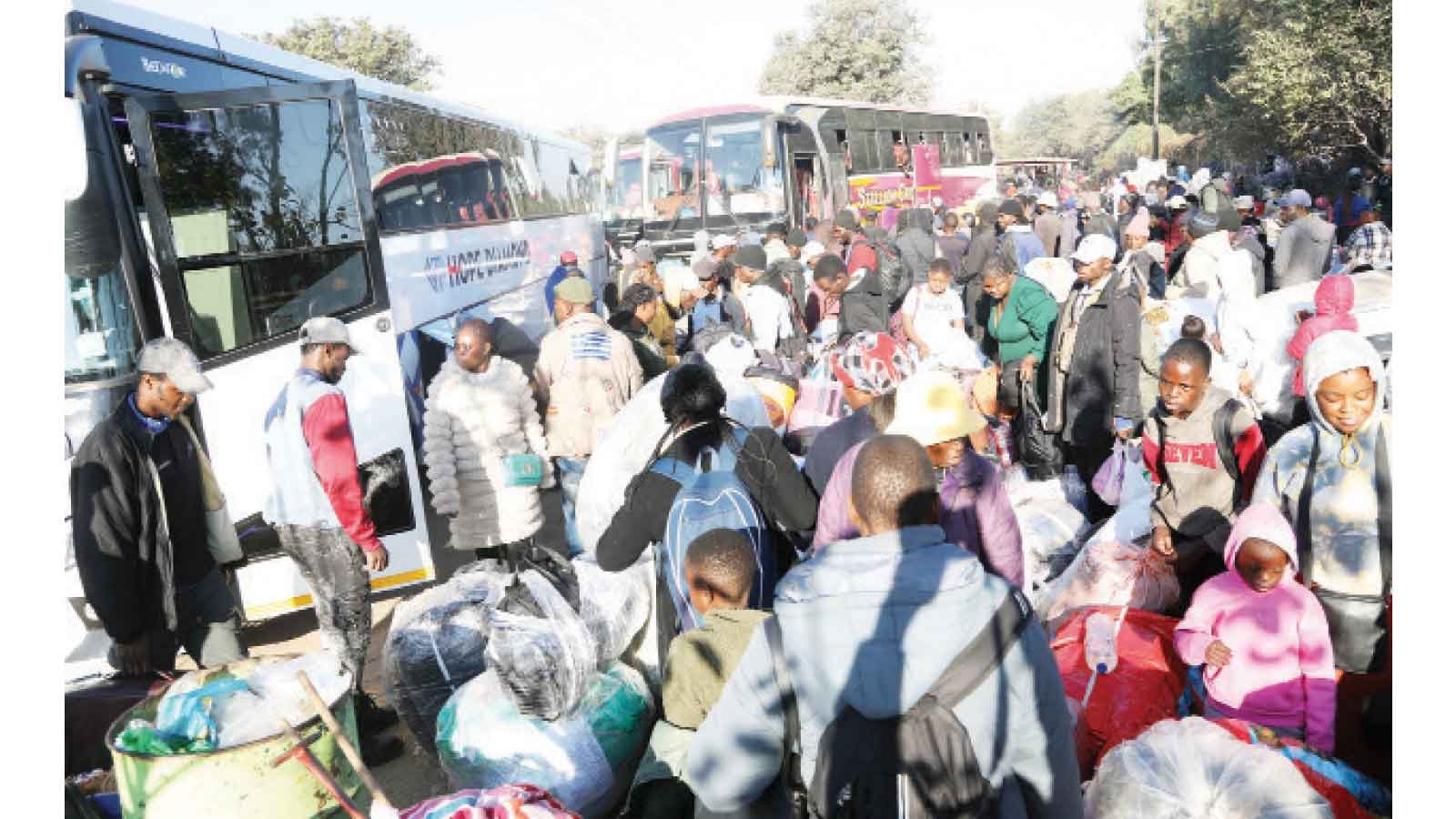
The scenes at the Beitbridge border post are a stark reminder of the fragility of the southern African social fabric.
As nearly 110 000 Zimbabweans return home — fleeing a wave of violence targeting foreign nationals in South Africa — they find a motherland ill-equipped to receive them.
These returnees, 65% of whom are women and girls, are currently braving freezing winter temperatures with little more than the clothes on their backs and the hope of safety.
Compounding this humanitarian strain is the insidious spread of cholera.
What began in Rushinga district has now metastasised across Manicaland and the Midlands, thriving in the cramped conditions of mining communities and border hotspots.
This is a classic “twin emergency” : a massive displacement of people colliding with a public health crisis.
Into this breach steps the European Union, providing US$345 000 in emergency funding to the Zimbabwe Red Cross Society.
This intervention is vital. It provides a six-month lifeline of emergency shelter, clean water and hygiene support, while strengthening the community surveillance needed to stem the cholera tide.
- Beads fashionista takes pride in African culture
- CCC urged to push for dialogue over reforms
- A peep into Matenganyika’s artistic closets
- Tiger gets comeback underway with opening par at Masters
Keep Reading
However, while we acknowledge the EU’s swift response, we must also recognise it for what it is: a temporary bandage on a gaping wound.
The government in Harare cannot continue to treat international aid as a permanent substitute for domestic governance.
While the EU facilitates “Restoring Family Links” and provides “dignity needs” for the vulnerable, the primary responsibility for the welfare of Zimbabweans lies with the Zimbabwean state.
It is unconscionable that a nation’s citizens return from one crisis only to be met by another, while domestic resources remain sluggishly mobilised.
Coordination with UN agencies and NGOs is necessary, but it is not a comprehensive policy.
The Zimbabwean government must urgently prioritise its own budgetary allocations toward public health infrastructure and the permanent stabilisation of returnees.
To rely indefinitely on external generosity is to gamble with the lives of the 88 200 people currently targeted by these relief measures.
Sovereignty is not merely a rhetorical shield against external criticism; it is a duty to provide for one's own people.
Harare must wake up to the gravity of these twin emergencies. The EU has bought Zimbabwe time; it is now up to the government to ensure that time is not wasted.
Instead of splashing money on luxury cars for influencers, the government should be priotising livelihoods that are under serious threat.