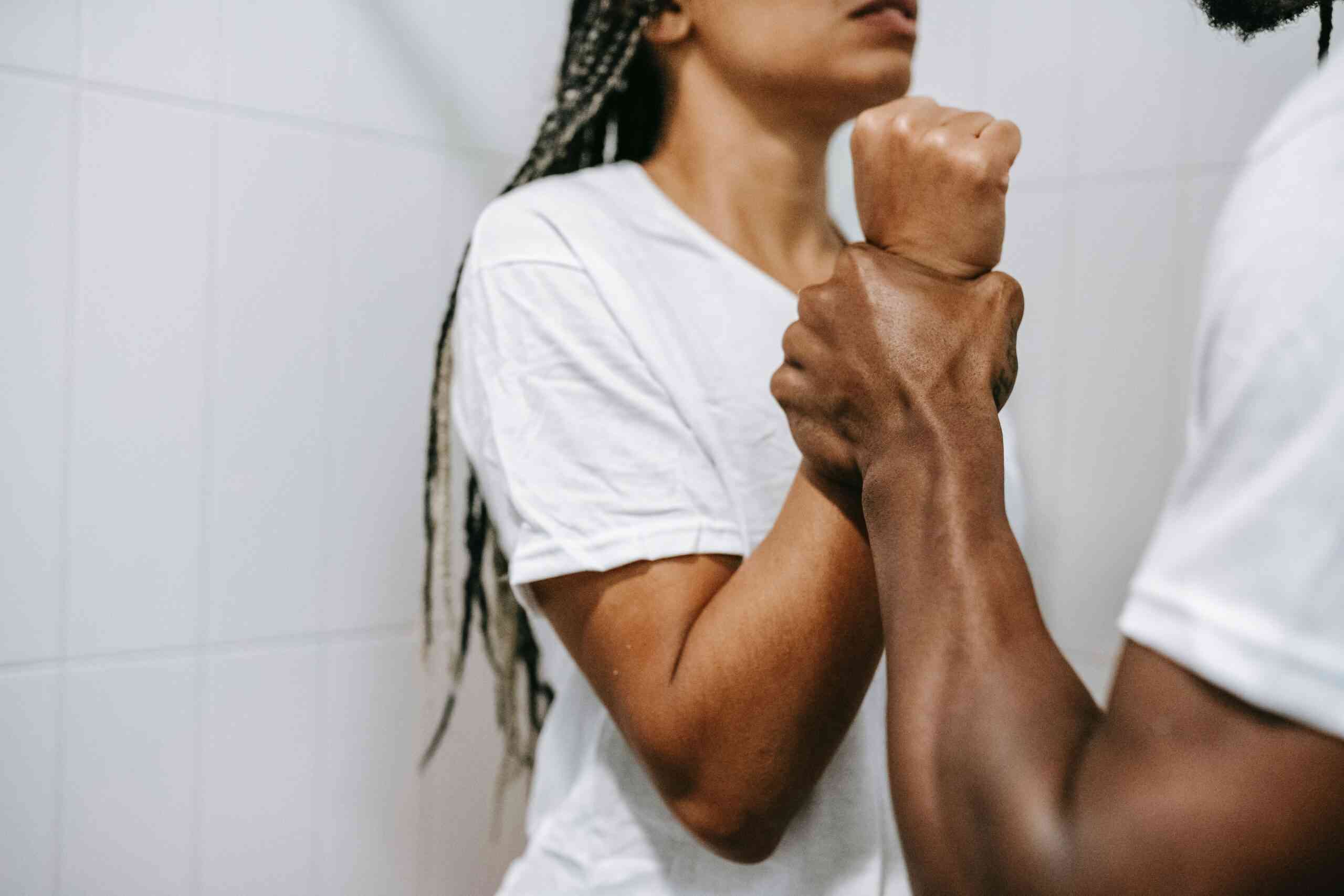
Gender-based Violence (GBV), discrimination against persons with disabilities, digital violence, and child abuse are often discussed as separate crises.
Yet in everyday life, especially within vulnerable communities, these issues intersect and reinforce one another. They thrive in silence, unequal power relations, and systems that fail to protect the most vulnerable.
Addressing them requires more than laws and statistics; it requires approaches that speak to hearts, challenge norms, and restore dignity.
Increasingly, art and creativity are proving to be practical, people-centred tools in confronting these forms of violence and building cultures of protection.
GBV remains one of the most widespread human rights violations, affecting women, girls, children, and persons with disabilities at alarming rates.
For many survivors, reporting abuse is not simply a legal decision but a social risk.
Fear of stigma, economic dependence, family pressure, and victim-blaming often outweigh the promise of justice.
Children, in particular, are trapped in cycles of abuse because perpetrators are frequently caregivers, relatives, or authority figures.
- Ngozi Mine’s young mothers suffering in silence
- Ngozi Mine’s young mothers suffering in silence
- Village Rhapsody: Engage men to end gender-based violence
- Chics’ Galaxy: Takawira fights in the girl child’s corner
Keep Reading
In such contexts, creative community-based interventions have shown an ability to reach where formal systems struggle.
In many communities, participatory theatre has become a powerful response to GBV and child protection.
Plays developed from real-life experiences are performed in schools, marketplaces, and community halls, using familiar language and cultural references.
Rather than preaching, these performances invite audiences to reflect.
When a storyline shows a child being silenced after reporting abuse, or a woman being blamed for violence against her, the audience recognises their own realities.
In some performances, viewers are invited to interrupt the play and suggest safer alternatives, turning passive spectators into active problem-solvers.
These moments do more than raise awareness; they allow communities to practise protection, accountability, and empathy in real time.
Children face unique risks within violent environments, especially when poverty, disability, and digital exposure intersect.
Child protection is no longer confined to physical spaces.
With increased access to mobile phones and social media, children are exposed to online grooming, cyberbullying, and the non-consensual sharing of images.
Digital violence has become an extension of physical and emotional abuse, often with lifelong consequences. Girls, children with disabilities, and those without adult supervision are particularly vulnerable.
Creative digital storytelling initiatives have emerged as effective tools in responding to this new frontier of harm.
In youth-led projects, children and adolescents are supported to create short films, animations, poems, and spoken-word pieces about online safety, consent, and boundaries.
Alongside creative expression, they receive practical training in digital literacy, reporting mechanisms, and self-protection.
The result is not fear-based messaging, but empowerment.
When a teenage girl tells her story through a short video about surviving online harassment, she not only educates her peers but reclaims agency over her narrative.
Schools that have adopted such content report more open conversations about digital safety and increased reporting of abuse.
For persons with disabilities, violence often remains invisible.
Many experience abuse at higher rates yet face additional barriers to reporting, including communication challenges, dependence on caregivers, and social attitudes that devalue their autonomy.
Children with disabilities are especially at risk, frequently excluded from child protection systems that are not designed with accessibility in mind. Here, inclusive art practices have played a transformative role.
Visual arts exhibitions led by artists with disabilities have challenged harmful stereotypes by centring lived experiences rather than pity.
Paintings, photographs, and mixed-media works depicting everyday life, resilience, and resistance invite the public to confront uncomfortable truths about exclusion and abuse.
When exhibitions are designed with accessibility in mind, using audio descriptions, sign language interpretation, and tactile elements, they model the very inclusion they demand.
Such initiatives have sparked policy conversations around accessible reporting systems and child-friendly protection services that include children with disabilities rather than sidelining them.
Beyond prevention and awareness, art also plays a critical role in healing. Survivors of GBV, child abuse, and digital violence often carry deep psychological wounds.
Verbal disclosure can be overwhelming or impossible, particularly for children.
Creative expression offers alternative pathways to healing that do not rely on formal language or legal processes.
In survivor-led music circles, drawing workshops, and storytelling spaces, participants express fear, anger, and hope without pressure to explain or justify their experiences.
These spaces foster connection, reduce isolation, and rebuild a sense of self-worth that violence seeks to destroy.
Importantly, art-based approaches do not operate in isolation.
Their strength lies in how they connect communities to broader systems of support.
Effective initiatives are those that link creative work with referral pathways to health services, child protection officers, counsellors, and legal aid.
When a theatre performance ends with information on where survivors can seek help, or a digital art campaign includes links to reporting platforms, creativity becomes a bridge between awareness and action.
For policymakers and institutions, the lesson is clear.
Art is not a luxury or an optional add-on to social programmes; it is a strategic tool for social change. Investing in creative approaches means investing in prevention, early intervention, and survivor-centred responses.
It also means recognising artists, including young people and persons with disabilities, as key stakeholders in safeguarding communities.
A critical lesson emerging from these creative interventions is that advocacy cannot be seasonal. Too often, conversations around GBV, child protection, disability inclusion, and digital safety intensify only during the 16 Days of Activism, before fading back into silence.
Violence, however, does not pause when campaigns end. Children continue to be abused, women continue to be violated, persons with disabilities continue to be excluded, and online spaces remain unsafe every day of the year. When advocacy is treated as an annual event rather than a daily practice, it risks becoming symbolic rather than transformative.
Art offers a model for everyday advocacy because it is woven into daily life. Songs are played on radios long after campaigns end, murals remain on community walls, theatre scripts are reused in classrooms, and digital stories continue circulating online.
These creative forms keep conversations alive in ordinary spaces where violence often occurs homes, schools, churches, streets, and phones.
When a child recognises an abusive situation because of a school play they once watched, or a parent rethinks harmful discipline after hearing a song about child rights, advocacy has moved beyond slogans into lived behaviour.
Everyday advocacy also means shifting responsibility from institutions alone to communities as a whole. It is found in how teachers respond to disclosures, how neighbours intervene when a child is at risk, how artists choose to tell stories, and how adults model safe digital behaviour. Creativity supports this shift by normalising dialogue about protection and consent, rather than treating them as uncomfortable topics reserved for campaign periods.
Violence thrives in silence, fear, and disconnection. Art disrupts all three. It speaks when words fail, connects when systems fracture, and imagines safer futures when reality feels unchangeable. By embedding creativity into everyday advocacy around GBV, child protection, disability inclusion, and digital safety, societies move beyond reactive campaigns towards sustained cultures of care, accountability, and dignity, where every person, especially the most vulnerable, is seen, heard, and protected.
nRaymond Millagre Langa is a Zimbabwean independent researcher, writer, and multidisciplinary creative working at the intersection of art, social justice, and community development. His work uses arts-based research and storytelling to address gender-based violence, child protection, disability inclusion, and digital safety, with a strong focus on everyday advocacy and community empowerment.