Plans for the anticipated Econet Victoria Falls concert slated for July 5, featuring Mafikizolo went up in smoke due to xenophobic tensions.
One Zimbabwean posted a controversial message stating that the group was not welcome in Zimbabwe and would make sure that he will organise protests against their perfomance.
He further argued that the money meant for this group is better spent here in Zimbabwe through the hiring of local artistes rather than foreign acts.
Econet took that threat seriously and was forced to cancel the show. The cancellation of this concert has sparked discussion about whether politics and anti-foreigner tensions are beginning to affect entertainment and artist bookings in the region.
We are aware that some Zimbabwean artistes such as Mwenje Mathole cancelled their concerts in South Africa due xenophobic tensions.
This has affected music promoters, hotel owners, musicians and the public at large.
As usual, Zimbabwean musicians except one or two are scared of releasing political material which they view will impact on them negatively.
Why are Zimbabwean musicians not currently releasing songs against xenophobia taking place in South Africa right now? Do they know that xenophobia affects them too?
- Tarakinyu, Mhandu triumph at Victoria Falls marathon
- BCC, HCC adopt results-based ambulance services
- Water rationing looms in Bulawayo
- Building narratives: Chindiya empowers girls through sports
Keep Reading
I spoke to one prominent musician about this. His words to me were: “We can’t rush to condemn a system that is in place. Maybe one day things will change and you become a marked person. It is better to play it safe than to be too radical. That view might affect your pocket. If you remain silent, youcan still tour that country when things change,” he said. But, will things change?
Most musicians I spoke to chose to remain popular and not to be political about events going on in this country or elsewhere on the globe as they say there are consequences which they might regret in the future.
I can understand this kind of thinking.
One musician whose music has a political slant says this is the reason he does not get a lot of air time on local radio. Some musicians are scared of delving into the political arena.
They would rather remain silent that be the bearers of controversial political or religious stories. This could be true. We have examples:
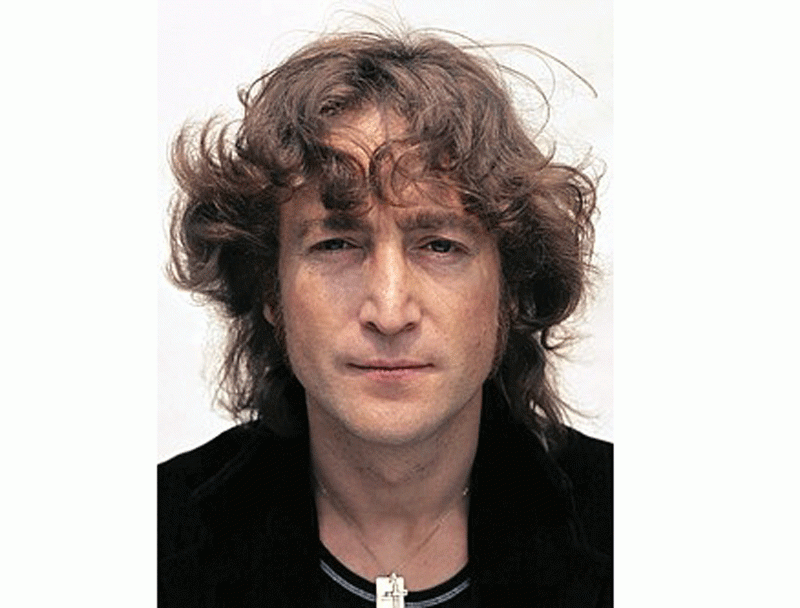
Way back in March 1966, Maureen Cleave, a reporter and friend of Beatles member John Lennon, published a profile in the London Evening Standard: “In that newspaper Lennon’s comments about Christianity, which were to become so sensational in a few months, did not seem especially notable in such a mix.
.John Lennon claimed that the public's infatuation with the band surpassed that of Jesus Christ, and that Christian faith was declining to the point where it might be outlasted by rock music.
This statement ignited angry reactions from Christian communities when republished in the United States.
Lennon's comments incited protests and threats. Some radio stations stopped playing Beatles songs, records were publicly burned, press conferences were cancelled, and the Ku Klux Clan picketed concerts.
Lennon apologised at a series of press conferences, clarifying that he was not comparing himself to Jesus Christ.
The controversy deeply impacted the band, contributing significantly to their decision to cease touring entirely.
In 1980, Lennon was murdered by a religious Beatles fan, Mark David Chapman., who sometimes stated that Lennon's comment was a motivating factor in the killing.
Zimbabwean artistes across multiple generations—from the liberation struggle to the modern Zimdancehall era such as Thomas Mapfumo, Oliver Mtukudzi, Comrade Chinx, Souljah Love, Winky D and Freeman HKD—have bravely addressed issues like corruption, poverty, gender-based violence, and other social issues,
In Zimbabwe, some of these musicians have a long, celebrated history of using their voices as tools for social change, political critique, and community healing, Why are they silent on crucial issues such as xenophobi tensions? The last time I listened to social change music was in 2023 when a group of musicians released Phuma during the Artistes for Social Change project where the artistes used their voices and artistic freedom of expression.
“Each song carries a message about people who are sleeping on their job or abusing power, from church leaders to politicians and the album gives them a warning that enough is enough and it’s high time they stepped out from their habits of abusing power and start to build better communities. Ngakho sithi abaphume (they must get out) PHUMA.”
Some of the artists involved in the project include award winning artistes such as Austria based- Vusa Mkhaya, Msiz’ Kay, Victor Kunonga, Luke De Lukes Kamanga, Prince Joel Nyoni who are locally based, among others who feature in the lyric writing and composition.
“The project was aimed at speaking truth to power using music and struggles that include political, societal, familiar and gender issues covered in the themes. This was in a bid to give hope to the masses by representing their silenced voices while challenging those in leadership positions to help solve the unending abuse of human rights, children and women’s rights, corruption, hunger and poverty,”
In Zimbabwe, music has continuously served as a powerful tool to shape political narratives, drive revolutionary agendas, and maintain ideological dominance.
Have you ever thought of the reasons behind Sir Wicknell Chivayo dishing out cars to popular musicians? He knows that music is a powerful influencer to society.
Spanning both the pre- and post-independence eras, artists and political movements have strategically utilised song and rhythm to mobilise the masses, legitimise authority, and silence opposition.
The unfortunate thing is that only a few musicians use this powerful tool to inform the public about these worrisome issues
Now tell me: How do we handle the thousands of our people who are coming back from South Africa? How do we feed them? Do we have jobs for them? The answer is obviously NO. This is one reason why they left this country in the first place.
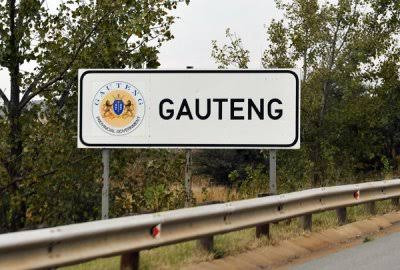
Tens of thousands of migrants—primarily from Zimbabwe, Malawi, and Mozambique—have left or been deported from South Africa following unofficial "deadline" threats set by anti-immigration groups like Operation Dudula.
The exodus was triggered by threats that led to violence in cities like Johannesburg, Durban, and Pretoria.
I met up with a music brother who had just left South Africa asking me if I knew of a band he could join. I gave him a few telephone numbers that he could try but also told him that there were challenges in our unemployment situation. Politics has definitely affected entertainment and it is difficult to strike a balance between the two
*Feedback: [email protected]