When a writer's lived experiences intersect with their creative imagination, the result is often a story that feels both authentic and urgent.
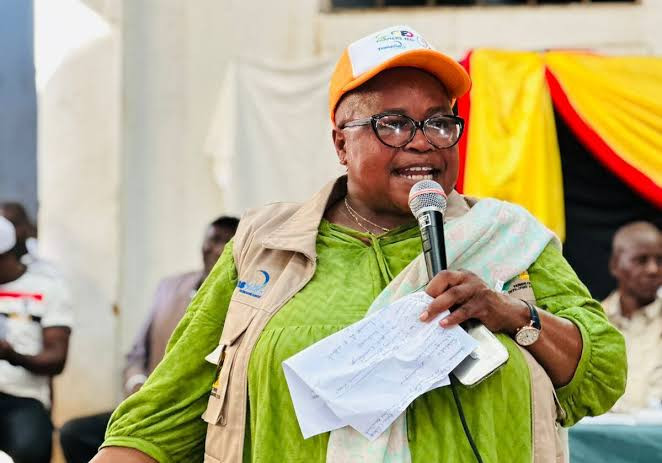
Such is the case with Five Faces, a compelling debut by award-winning youth activist, human rights advocate and University of Zimbabwe law student Nodeshah Tanyaradzwa Maingehama.
Raised in Mufakose, a community she describes as having exposed her to the realities of injustice from an early age, Maingehama channels her observations and experiences into a powerful narrative that examines power, resistance, activism and the often-unseen struggles faced by women and young people.
The novel reflects the concerns that have defined her public life, namely human dignity, equality, youth participation and social justice.
At the heart of Five Faces is the theme of political activism and youth participation. The novel presents young people not as passive recipients of decisions made on their behalf but as active participants in shaping society. Through characters who challenge injustice and demand accountability, the story reinforces the idea that meaningful social transformation requires young people to engage in civic processes and decision-making spaces.
This mirrors Maingehama's own advocacy work, which has consistently focused on ensuring that young people are included in governance and public affairs.
The novel also provides a thoughtful exploration of power dynamics. Whether in educational institutions, communities or leadership structures, power is portrayed as something that influences opportunities, determines whose voices are heard and shapes the experiences of individuals. Through carefully developed characters, the narrative exposes the inequalities that often exist beneath the surface of everyday interactions.
In doing so, the book challenges readers to critically examine the systems and structures that govern society.
- Education 5.0: Blessing or curse for UZ students?
- UZ in fees shocker
- Deliver free education, govt told
- Police break up UZ protests
Keep Reading
One of the most striking aspects of Five Faces is its portrayal of the lineage of women's resistance. The women in the novel embody courage, resilience and determination, demonstrating that the struggle for equality is not fought by isolated individuals but inherited and carried forward by successive generations. Their stories serve as a reminder that every act of resistance contributes to a broader legacy of empowerment. This theme resonates strongly with the author's own experiences navigating leadership spaces as a young woman and confronting prejudice and discrimination.
The book further explores the hidden barriers faced by women and young female students. Through its characters, Five Faces exposes the subtle forms of exclusion, discrimination and social pressure that continue to hinder women's progress. These challenges are not always visible, yet they significantly shape the educational, professional and personal journeys of young women. By bringing these realities into focus, Maingehama encourages readers to recognise and address the obstacles that often go unnoticed.
Equally compelling is the novel's treatment of the challenges faced by young activists. The story acknowledges that speaking out against injustice often comes with consequences. Young people who challenge established systems may face intimidation, criticism, isolation and resistance from those invested in maintaining the status quo. Yet despite these challenges, the novel presents activism as a necessary and transformative force. The sacrifices made by its characters underscore the courage required to pursue meaningful change.
What makes Five Faces particularly impactful is its authenticity. Readers familiar with Maingehama's journey from a young girl writing poems about injustice, women and Africa to becoming a recognised youth leader and human rights advocate will recognise the conviction that runs throughout the narrative. The novel does not merely discuss activism and social justice as abstract concepts. Instead, it grounds them in human experiences, making its message both accessible and powerful.
Ultimately, Five Faces is more than a novel. It is a reflection on leadership, courage and the responsibility of individuals to challenge injustice wherever it exists. It speaks directly to young people, especially young women, encouraging them to find their voices and participate actively in shaping their communities and their future.
In a society where many young people are often told to wait their turn, Five Faces delivers a different message: that change begins when ordinary people choose to act. Through its engaging storytelling and relevant social commentary, the novel establishes Nodeshah Tanyaradzwa Maingehama as an important emerging voice in Zimbabwean literature.
- Fungayi Antony Sox is the team leader& managing editor at TisuMazwi—a communications-driven social enterprise helping individuals and organisations shape, manage, and distribute their stories. He writes at the intersection of publishing, digital media, and African narrative transformation. A YALI alumni and award-winning communications consultant, he has worked with over 300 authors,creatives and institutions across Zimbabwe and Africa. He can be contacted on +263 776 030 949 or [email protected]