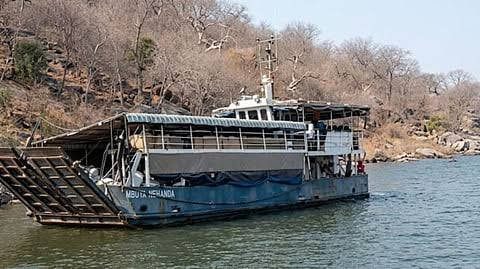
There are moments when a nation must pause and ask difficult questions.
The Lake Kariba ferry tragedy is one of them.
Zimbabwe cannot simply mourn, issue condolences and return to business as usual. The reported loss of 94 lives demands an honest examination of the systems, institutions and leadership structures responsible for protecting citizens.
As a development practitioner, I believe development must place people, dignity and human life at its centre. This tragedy therefore requires more than sympathy. It requires answers.
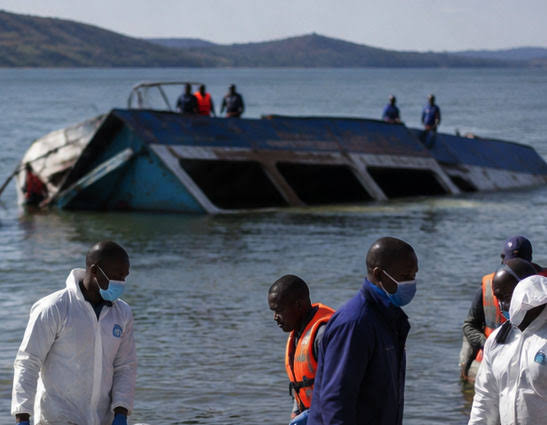
The Mbuya Nehanda ferry, operated under the Rural Infrastructure Development Agency (RIDA), capsized on Lake Kariba while travelling towards Chalala.
The government has ordered an investigation and an inquest, while preliminary reports have raised questions about passenger capacity, safety procedures, weather conditions and the vessel's operating environment.
If the reported death toll is confirmed, this would be Zimbabwe's deadliest transport disaster on record.
Behind every death is a family. Children have lost parents, parents have lost children, and communities have lost people who contributed to their social and economic wellbeing.
- ‘Binga not fully marketed’
- Increased poaching in Kariba threatens fish farming
- Kariba fishing tourney breaks with tradition
- Feature: Villagers brace for another displacement. This time, It’s for coal
Keep Reading
That is why the national conversation must go beyond condolences.
Where did the system fail?
If the ferry's stated capacity was 90 passengers, how did it reportedly carry more?
Who counted passengers before departure? Was there a passenger manifest? Who had the authority to stop the vessel from sailing if it was overloaded?
These are not accusations. They are basic public-safety questions.
The same applies to life jackets. Were there enough for everyone? Were they accessible? Were passengers given safety instructions? Were crew members trained to respond to emergencies?
There have also been questions about weather conditions. What warnings were available before departure? Who received them? Who made the final decision to sail? If conditions deteriorated, what emergency procedures were available?
The investigation must establish the facts and distinguish them from speculation.
What about maintenance and oversight?
The ferry's maintenance and inspection history must also be examined.
Government has indicated that the vessel had the necessary fitness certification. The public should therefore know when it was last inspected, what repairs had been undertaken, whether defects had previously been reported and who certified it as fit for service.
I am not suggesting that poor maintenance caused the tragedy. That must be established through evidence.
But a safety certificate must represent a genuine assessment of safety, not simply a document in an office.
There are also legitimate questions about the resources supporting the service. How much revenue was generated? How much was allocated to maintenance, safety equipment, training and operations?
These questions are not accusations of financial misconduct. They are questions of public accountability.
Where does devolution begin and end?
The tragedy also raises questions about Zimbabwe's devolution agenda.
Were local leaders aware of challenges faced by communities relying on the ferry? Were concerns raised with councillors, MPs or provincial authorities? If so, what action followed?
I am not suggesting that elected representatives are automatically responsible for the disaster. Accountability must be based on evidence.
But leadership is a continuous responsibility.
An MP should not become visible only during elections. A councillor should not only be known when votes are needed. Representatives must remain connected to the people they serve and ensure that concerns about transport, health, infrastructure and safety reach the appropriate authorities.
If communities raise concerns and institutions fail to respond, that failure must be examined.
Development must be people-centred
We often measure development through policies, projects, infrastructure and five-year plans. These are important, but development cannot remain on paper.
Development must be experienced by ordinary people.
What does development mean to a mother who cannot safely cross a lake to access essential services? What does it mean to a child who loses a parent because a transport system failed?
Infrastructure without safety, accountability and proper management cannot be called successful development.
Communities are not merely beneficiaries of development. They are participants and sources of knowledge. A person who uses a ferry every week may recognise a safety problem long before it appears in an official report.
The question is whether our systems allow that person to speak — and whether anyone listens.
Community participation must come before disaster
If Zimbabwe is serious about devolution, communities must have meaningful opportunities to identify problems, monitor services and hold institutions accountable.
Devolution must be felt in people's daily lives, not remain a constitutional principle or political slogan.
When citizens report unsafe conditions, those complaints should be recorded, investigated and acted upon.
Community participation must happen before disaster, not after it.
Accountability is not revenge
Calling for accountability does not mean condemning individuals without evidence.
It means demanding a credible and transparent process that follows the facts wherever they lead.
If negligence is established, it must be addressed. If safety procedures were ignored, that must be acknowledged. If supervision, maintenance or management failed, those failures must be identified. If regulations were inadequate, they must be strengthened.
But investigations must not become exercises that produce reports which gather dust.
The purpose of an investigation should be truth, accountability and institutional learning.
What must change?
Zimbabwe should use this tragedy to comprehensively review inland passenger water transport.
The review should examine:
Passenger capacity and manifests.
Life jackets and other safety equipment.
Crew training and emergency procedures.
Vessel maintenance and inspections.
Weather monitoring and sailing decisions.
Safety certification and regulatory oversight.
Emergency communication and rescue capacity.
Community mechanisms for reporting safety concerns.
Citizens should not have to wait for a tragedy before their complaints become important.
We need answers
I want to know how the ferry came to carry more passengers than its stated capacity, if that is confirmed.
I want to know whether enough life jackets were available.
I want to know what safety procedures were in place and whether they were followed.
I want to know what information was available about the weather and who authorised the voyage.
I want to know about the vessel's maintenance and inspection history.
I want to know how passenger revenue was managed and how much was invested in safety.
- Mitchel Zvingowaniseyi is a development practitioner, advocate for people-centred development, community participation and accountable governance.