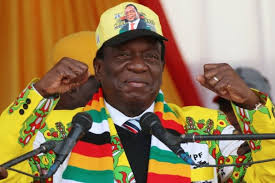
Opposition moves to extend President Emmerson Mnangagwa’s stay in power beyond the end of his term is growing, with Zimbabweans making a beeline to the courts to challenge Zanu PF’s plan to amend the constitution.
Former Citizen Coalition for Change (CCC) Member of Parliament Anadi Sululu (Silobela) has become the latest activist to take legal steps in an effort to stop the unpopular move.
Zanu PF passed a resolution at its annual conference in October last year instructing Justice minister Ziyambi Ziyambi to take concrete steps to implement a previous resolution to ensure Mnangagwa stays in power beyond 2028.
The ruling party is desperate to avoid a referendum on the changes to the constitution, fearing humiliation from voters.
There is no consensus in the party for the 83-year-old to hang on to power with Vice-President Constantino Chiwenga and his backers have refused to endorse the move.
Zanu PF is said to be banking on MPs belonging to a faction led by self-imposed CCC secretary-general Sengezo Tshabangu.
Two Zimbabweans last year filed applications at the Constitutional Court seeking to block the amendment of the constitution and both cases are yet to be heard.
In a letter of demand addressed to Ziyambi, Sululu challenged the minister to cease any initiatives to make ‘illegal constitutional amendments’ or face court action in his personal capacity.
- ‘Govt spineless on wetland land barons’
- News in depth: Fears of violent 2023 polls grow as ED fails to deliver on promises
- Chamisa party defiant after ban
- Letter to my people: Mthuli Ncube experiment has failed
Keep Reading

"I write to you in my capacity as a former legislator of Silobela constituency and the leader of the E Movement, a social movement dedicated to upholding the rule of law and the sanctity of the Zimbabwean constitution," Sululu wrote in the letter dated January 7.
"We have noted with grave concern the public resolutions made at the 22nd Zanu PF national people's conference and subsequent directives to your office to initiate legislative amendments to extend the current presidential term limit from 2028 to 2030."
He cited Section 328(7) of the constitution of Zimbabwe, which states: "An amendment to a term-limit provision, the effect of which is to extend the length of time that a person may hold or occupy any public office, does not apply in relation to any person who held or occupied that office... at any time before the amendment."
Sululu said any attempt to amend the constitution to benefit the incumbent is a blatant violation of this entrenched clause and constitutes an act of constitutional subversion.
"We hereby demand that your office cease all actions related to drafting or gazetting any bill aimed at extending the current presidential term limits, provide E a written undertaking within seven working days that the Ministry will respect the spirit and letter of Section 328(7)," Sululu wrote.
"Take notice that if you fail to comply with these demands or proceed with the gazetting of such a bill, the E Movement shall, without further notice, approach the Constitutional Court for a prohibitory interdict and a declaration of invalidity.
“We shall also seek an order for costs against your office in your personal capacity for the wilful violation of the constitution."
The letter was copied to speaker of Parliament Jacob Mudenda and attorney general Virginia Mabiza.
Ziyambi is yet to respond to the letter of demand.
Zanu PF is engaged in spirited efforts to push for the amendment of the constitution despite public opposition from various sections of the Zimbabwean population including within the ruling party.
Last year, a Bulawayo based activist, Mbuso Fuzwayo, approached the Constitutional Court challenging a Zanu PF resolution to extend Mnangagwa’s tenure.
Fuzwayo said the Zanu PF resolution violated his rights. Another activist Moreprecision Muzadzi also filed a similar application before the same court.
Constitutional experts have said amending the constitution to extend Mnangagwa’s tenure requires a referendum, with the incumbent also not benefiting.
Observers have said the 2030 agenda is meant to manage Mnangagwa’s succession.