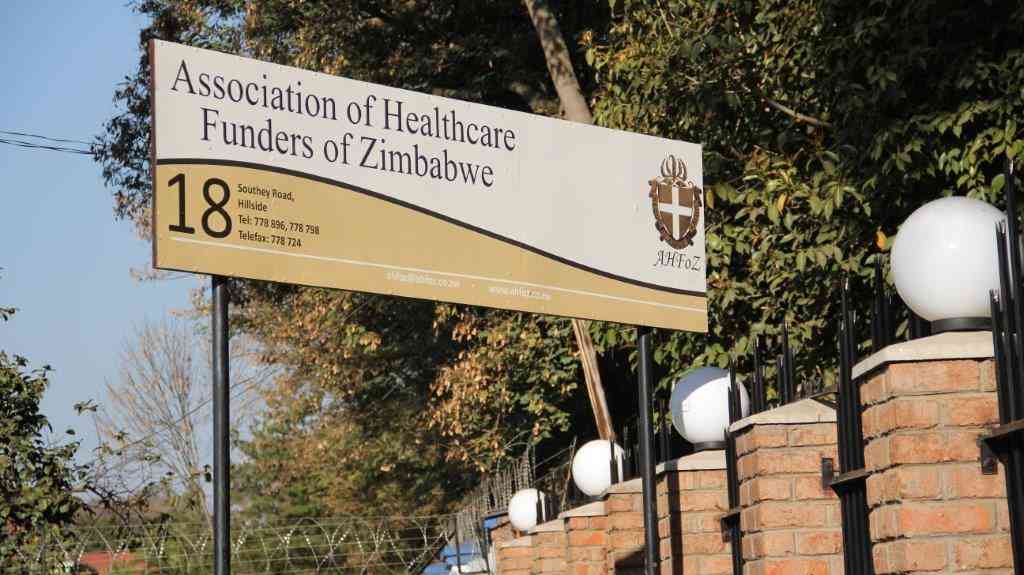
The Association of Healthcare Funders of Zimbabwe (AHFoZ) has launched a comprehensive defence of medical aid societies operating hospitals, clinics, pharmacies and diagnostic centres, warning that proposed healthcare reforms could destabilise Zimbabwe’s already fragile healthcare system if not carefully handled.
In a detailed policy submission presented amid ongoing debate around proposed amendments to Statutory Instrument 330 of 2000, AHFoZ argues that integrated healthcare delivery models are essential for maintaining affordability, expanding healthcare access and preventing further strain on public hospitals.
The intervention signals the emergence of what could become one of Zimbabwe’s most consequential healthcare policy battles in years, as healthcare funders, regulators and policymakers clash over the future structure of private healthcare financing and delivery.
At the centre of the dispute are proposals that could restrict medical aid societies from owning or operating healthcare service arms such as hospitals, pharmacies, laboratories and diagnostic centres.
Critics of the current system argue that such arrangements create conflicts of interest and distort competition within the healthcare sector.
But AHFoZ’s submission argues the opposite: that vertically integrated healthcare structures are not only lawful and globally recognised, but increasingly necessary in a high-inflation environment characterised by supply shortages, rising medical costs and overstretched public infrastructure.
“This paper demonstrates that the current arrangement whereby medical aid societies operate healthcare facilities is not only legally permissible but constitutionally mandated and policy aligned,” the organisation said.
The paper places significant emphasis on Zimbabwe’s constitutional obligations under Section 76, which guarantees access to basic healthcare services and emergency medical treatment.
- Exchange rate crisis hits medical aid societies
- AHFOZ Annual Conference roars to life
- Opinion: Corruption a threat to viability of health systems
- Medical aid societies defend service charges
Keep Reading
According to AHFoZ, medical aid societies operating healthcare facilities contribute directly toward fulfilling those obligations by expanding infrastructure, improving affordability and ensuring continuity of care for vulnerable populations.
The organisation argues that restricting coordinated healthcare structures could unintentionally weaken healthcare access at a time when Zimbabwe’s public health system is already under severe pressure.
The submission warns that medical aid service arms help absorb demand from the public sector while mobilising private capital into healthcare infrastructure without requiring direct government financing.
AHFoZ says vertically integrated healthcare structures also help stabilise pricing in a healthcare market already affected by inflationary pressures, foreign currency volatility and shortages of medicines and specialist services.
“Direct service provision eliminates intermediary markups, reducing out-of-pocket costs for members,” the paper states.
The organisation argues that medical aid societies are structurally incentivised to prioritise preventive care, chronic disease management and evidence-based treatment because they carry long-term financial risk through pooled member contributions.
Unlike independent providers whose revenues may depend on treatment volumes, AHFoZ says coordinated healthcare models encourage cost efficiency and improved long-term patient outcomes.
The submission also raises concerns about healthcare market failures currently affecting Zimbabwe’s medical sector.
According to the paper, excessive pricing, refusal of service, over-servicing and geographic inequalities have created conditions where many Zimbabweans struggle to access affordable private healthcare.
AHFoZ argues that integrated healthcare models introduce additional market discipline by creating alternative service channels and improving competition.
“Medical aid societies operating service arms correct these failures by providing an alternative for patients whose cards would have been rejected and by introducing price competition that disciplines the market,” the report states.
The organisation also argues that coordinated healthcare systems strengthen fraud detection and financial accountability.
The paper says healthcare financing systems globally lose substantial resources through fraudulent billing, duplicate claims, inflated charges and unnecessary procedures.
By operating healthcare facilities directly, medical aid societies are able to implement standardised billing systems, audit trails and real-time monitoring systems designed to reduce financial leakages and billing disputes.
To reinforce its argument, AHFoZ cites international examples where integrated healthcare systems operate successfully under regulated environments.
The report references Bupa in the United Kingdom, which functions both as a health insurer and healthcare provider through hospitals, clinics and diagnostic centres.
According to the submission, Bupa’s integrated structure has improved cost control, reduced waiting times and enhanced quality assurance while preserving consumer choice and market competition.
The paper also highlights South Africa’s Discovery Health model, arguing that the South African regulatory framework permits integrated healthcare structures while maintaining transparency, oversight and consumer protection safeguards.
AHFoZ rejects suggestions that medical aid societies operating healthcare facilities automatically create anti-competitive behaviour.
The organisation argues that members retain freedom of choice and are not compelled to use medical aid-owned facilities exclusively, while independent providers remain free to compete for patients and contracts.
The submission further states that medical aid service arms typically operate as separate legal entities subject to the same licensing, accreditation and regulatory standards applicable to independent healthcare providers.
Rather than dismantling integrated healthcare structures, AHFoZ is urging policymakers to strengthen governance frameworks, transparency requirements and monitoring systems while preserving the current legal structure permitting medical aid societies to operate healthcare service arms.
Among its recommendations, the organisation is calling for enhanced disclosure standards, stronger consumer protections, preservation of member choice and expanded public-private partnerships aimed at growing healthcare infrastructure.
The paper concludes that restricting integrated healthcare structures could produce unintended consequences including reduced healthcare investment, rising healthcare costs and additional pressure on public healthcare facilities.
As Parliament and regulators continue reviewing proposed healthcare reforms, the battle over vertical integration is increasingly shaping into a broader national debate over how Zimbabwe should finance, regulate and expand healthcare access in an already fragile economic environment.