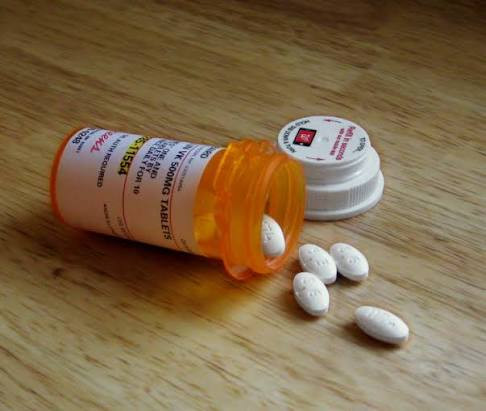
The Ministry of Health and Child Care has been forced to install a tracking system to monitor the movement of medicines from NatPharm to public hospitals and pharmacies, amid growing concerns over the rampant theft and resale of drugs meant for patients.
Medicine leakages have been a longstanding challenge in the country's public health system, with the diversion of drugs from public facilities potentially depriving patients of medicines supplied for government programmes.
The problem also places an additional financial burden on the health sector, as the government has to replace medicines that are lost before reaching the intended beneficiaries.
Health deputy minister Sleiman Kwidini acknowledged that the government was losing significant amounts of money through medicine leakages, with some individuals allegedly stealing drugs from hospitals and reselling them through private pharmacies.
"After medication is purchased, some people steal it from hospitals for resale through pharmacies," Kwidini confirmed in Parliament recently.
"We have noted that in every home there is a troublemaker, but I want to clarify that the government is losing a lot of money through leakages."
He said the system had already been installed and would help identify where medicines were being diverted from the public health system, thereby protecting medicines in public hospitals.
"We now have a tracking system in place," he said.
- Nurses fume over paltry govt loans
- 'Apostolic sects frustrating fight against measles'
- Opinion: GZU School of Medicine should improve health service in Masvingo
- Mpilo doctors’ quarters rehab complete
Keep Reading
Kwidini urged members of the public to report and testify against those stealing hospital property.
The deputy minister also revealed that the Medicines Control Authority of Zimbabwe was working on regulations concerning pharmacies operating near public hospitals.
"We spoke about the designated metres which are allowed, or the actual distance from such a hospital. As I am speaking, the Medicines Control Authority of Zimbabwe is in the process of promulgating such a law," he said.
Community Working Group on Health executive director Itai Rusike said theft and leakages of medicines from the public sector had contributed to the emergence of parallel and informal drug markets.
"Where cost and availability barriers exist, communities may purchase drugs from these markets," Rusike said. "The problem with such sales is that they are unregulated, making it difficult to ensure the quality or appropriateness of drugs, avoid side effects and complications, and also prevent problems of resistance, as would happen in the unregulated use of antibiotics."
He said communities could play a role in strengthening the tracking system by reporting medicine leakages, theft, the improper use of drugs, and unregulated drug markets.
"Communities can also assist the tracking and monitoring system initiated by NatPharm through whistle-blowing on leakages, theft, improper use of drugs, and unregulated drug markets,” Rusike said.
“They can also monitor the availability of vital drugs, particularly at the health facility level where supplies have fallen drastically.”
The theft of medicines comes against the backdrop of chronic drug shortages that have plagued the country's public health system for years.
Health facilities frequently report stockouts of essential medicines, including antibiotics, painkillers, and life-saving drugs for chronic conditions such as diabetes and hypertension.