As Christians, what should our posture be toward politics and national leadership? Should a minister openly declare which political party he supports, or should he remain neutral? Is it possible to care deeply about the direction of a nation without becoming politically partisan?
The Bible gives us an important principle through the life of Samuel. Samuel openly confronted Saul and told him that God had rejected him because of his disobedience. Samuel was not afraid to speak the truth when God gave him a word. Yet when God sent him to anoint David, Samuel did not turn his ministry into a political campaign for David. He obeyed God, anointed the one God had chosen, and continued to fulfil his prophetic responsibility.
This teaches us something important: there is a difference between expressing a political preference and declaring the mind of God.
A minister may have personal opinions, but his greater responsibility is to hear God and speak according to His will. The Church must not become so consumed by political allegiance that it forgets its spiritual assignment.
Paul writes in 1 Timothy 2:1–2, “I exhort therefore, that, first of all, supplications, prayers, intercessions, and giving of thanks, be made for all men; for kings, and for all that are in authority.” Notice that Paul does not say we should pray only for leaders we like. He says we should pray for kings and those in authority.
Our responsibility as Christians is therefore to pray for our leaders regardless of our political feelings. We may disagree with their policies. We may dislike their decisions. We may even believe that certain things have been done wrongly. Yet we are still commanded to pray.
Why do we pray? Paul gives the answer: “That we may lead a quiet and peaceable life in all godliness and honesty.”
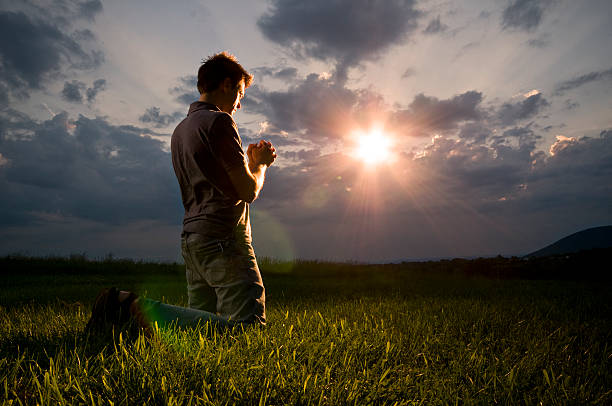
Prayer is therefore not political endorsement. Prayer is spiritual responsibility.
- Grace Tidings: The grace of God and His unconditional love
- Grace tidings: Craving for sincere milk
- The Soccer Whiz: Exciting times beckon for soccer junkies!
- More problems dog census programme
Keep Reading
We pray for the president. We pray for ministers and parliamentarians. We pray for local authorities and every person entrusted with leadership. We pray for wisdom in government, peace in the nation, economic stability, the proper use of national resources, justice, and the exposure of corruption. We pray that leaders will make decisions that protect and benefit the people they serve.
Second Chronicles 7:14 reminds us that when God's people humble themselves, pray, seek His face, and turn from their wicked ways, God promises to hear from heaven and heal their land. The transformation of a nation is therefore not merely a political matter; it is also a spiritual matter.
Sometimes our greatest problem is that we complain about leaders we have never prayed for.
Prayer changes our posture. Instead of simply criticising the government, we begin interceding for the government. Instead of cursing those in authority, we ask God to give them wisdom. Instead of allowing anger to consume us, we take our concerns into the presence of God.
This does not mean that Christians should remain silent when injustice occurs. There are moments when the prophetic voice must speak. Samuel confronted Saul. Prophets throughout Scripture challenged kings and rulers. Speaking truth is part of our responsibility. But we must distinguish between speaking God's mind and promoting our personal political agenda.
God may even place a believer within government, just as Joseph was positioned in Egypt. Joseph did not merely criticise Pharaoh; he received wisdom from God that helped preserve an entire nation.
Therefore, whether we are ministers, believers, citizens, or leaders, we have a responsibility to pray for our nations.
We may desire certain people to lead. We may have political preferences. But ultimately, our confidence must be in God. Human beings see the present; God sees the beginning and the end.
The church should therefore become a praying church. Before we take our political opinions to the public square, let us take our nations to the presence of God.
Our greatest contribution to the nation may not always be the political party we support, but the prayers we offer for the nation we love.