Southern Africa can no longer postpone a fundamental question: how can the region power industrialisation while reducing its dependence on coal and building an electricity system capable of supporting the next 50 years of economic growth?
As an electrical engineer, I approach this question not simply from the perspective of today's electricity shortages, but from that of a power system that must remain stable as demand rises, rainfall declines, renewable generation fluctuates, equipment fails and economies undergo rapid industrial expansion.
From that perspective, nuclear energy deserves serious consideration as one of the strategic pillars of the Southern African Development Community's future electricity mix.
This is not a call for Sadc to abandon coal overnight, nor for nuclear energy to replace solar, hydro, wind, biomass or other renewable technologies. It is a call for engineering balance. Southern Africa needs an electricity system in which different generation technologies complement one another.
The region needs renewables because it possesses exceptional solar resources. It needs hydropower where water resources permit, battery storage and other flexibility technologies as renewable penetration increases, and appropriate thermal generation during the transition. But if Sadc is serious about long-term energy security, industrialisation and decarbonisation, nuclear power should be part of the conversation.
The reason is fundamentally technical. A modern electricity system requires more than installed megawatts. It needs dependable capacity, frequency stability, voltage control, adequate reserves, transmission capability and the ability to meet demand when consumers need electricity rather than only when weather conditions permit generation.
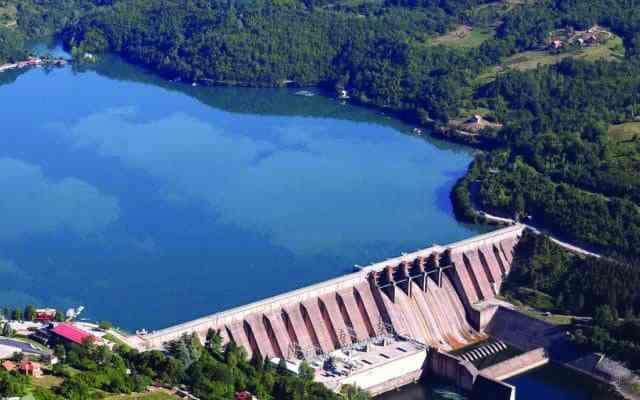
Solar photovoltaic systems can produce substantial amounts of electricity during daylight hours, but their output varies with solar irradiation. Wind generation depends on weather conditions, while hydroelectricity can be affected by rainfall and water availability. Battery storage provides valuable flexibility, but requires significant investment and careful planning.
Nuclear power, by contrast, can provide large quantities of continuous, predictable electricity over long operating periods, making it potentially valuable as part of a diversified regional generation portfolio.
- Little hope for Zim, Africa
- African leaders dying overseas expose cruel deception of independence
- Sadc must intervene on Zim crisis: SA
- Sadc meets over water, energy and food security
Keep Reading
This distinction becomes increasingly important as southern Africa expands mining, mineral beneficiation, manufacturing, data infrastructure, agricultural processing and digital industries. Countries are pursuing greater local value addition instead of exporting raw materials. Electric mobility is developing, while artificial intelligence, data centres, green hydrogen and other energy-intensive technologies are expected to create additional demand.
It would therefore be unrealistic to assume that future electricity needs can be met simply by adding intermittent generation without simultaneously strengthening firm generation, storage and transmission capacity.
From a power-system engineering perspective, the question is not which technology is fashionable. It is whether the overall system can maintain reliability under changing operating conditions.
Solar can provide abundant daytime energy. Hydro can offer flexibility where available. Batteries can respond rapidly to changes in supply and demand. Wind can contribute renewable generation in suitable locations. Nuclear can provide stable, large-scale electricity. The objective should be to engineer these technologies into one resilient system.
Coal has played an enormous role in Southern Africa's electricity development and has supported industrialisation for decades. However, the energy landscape is changing. Ageing coal infrastructure requires increasing maintenance and eventual replacement, environmental pressures are intensifying, and financing for new unabated coal projects is becoming increasingly difficult in many international markets.
At the same time, electricity demand continues to grow. This creates a strategic question: what technologies can progressively complement and eventually replace portions of coal generation while maintaining system reliability?
This is where nuclear power deserves serious examination.
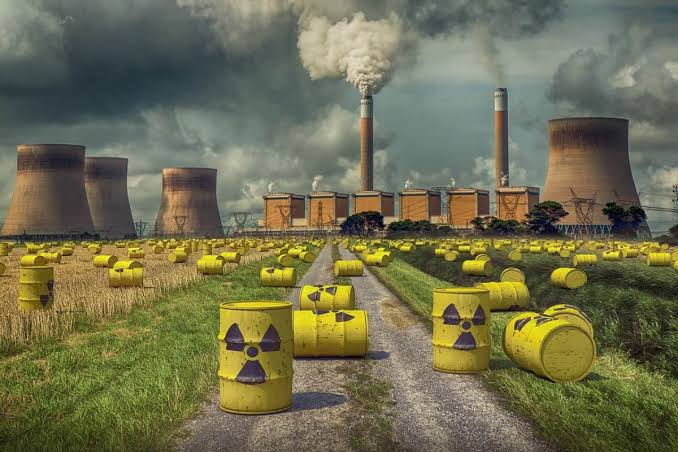
Nuclear energy is not without challenges. Any serious engineer must acknowledge that. Nuclear projects require exceptionally high standards of safety, security, regulation, construction quality and operational discipline. They also require significant upfront capital, long development timelines, specialised human resources, strong regulatory institutions, waste-management strategies and emergency preparedness.
These are not reasons to dismiss nuclear power. They are reasons to approach it responsibly.
The mistake would be to treat nuclear energy as a simple technology procurement exercise. It is a national infrastructure programme requiring decades of institutional commitment. It demands an independent, technically competent and properly resourced regulator, as well as universities and technical institutions capable of developing expertise in nuclear engineering, radiation protection, reactor physics, instrumentation and control, mechanical engineering and related fields.
Southern Africa must therefore begin preparing its human capital if nuclear energy is to become part of the region's long-term electricity strategy. We cannot decide in 2035 that we suddenly need nuclear engineers and expect the expertise to appear overnight. Engineers take years to train, while specialist nuclear professionals require further education and practical experience.
This is where regional cooperation becomes particularly important.
Sadc does not necessarily need every member state to develop its own nuclear power station. A more rational approach could involve regional planning, shared expertise, coordinated training and appropriate electricity-trading arrangements.
The Southern African Power Pool already provides a framework for electricity trading and regional system coordination. Long-term generation planning should consider how large-scale nuclear generation could contribute to regional energy security while transmission networks are simultaneously strengthened.
A nuclear power station produces electricity in one location, but its economic value need not remain confined there. With adequate transmission infrastructure, generation can support demand centres across a wider region. This is why nuclear development and transmission planning must happen together.
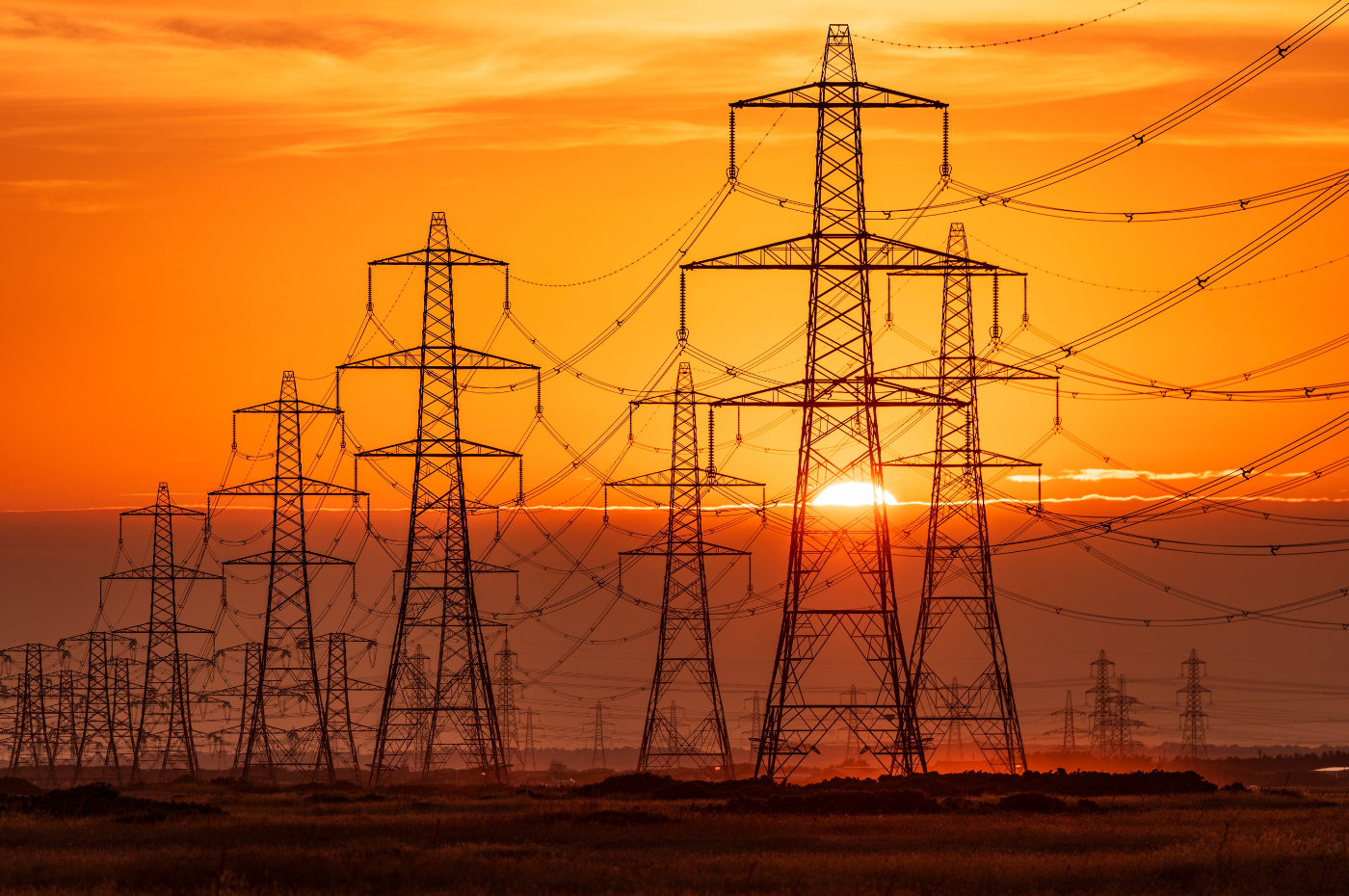
The future Sadc grid will need to become considerably stronger. If the region is serious about integrating large renewable projects, battery storage and potentially nuclear generation, transmission infrastructure must expand significantly.
Interconnections between countries can improve resilience by allowing electricity to flow from areas experiencing surplus generation to those facing deficits. However, interconnected grids also require sophisticated protection systems, coordinated operating standards, adequate reserve margins and strong system-control capabilities.
This is precisely where electrical engineering becomes central to the energy transition.
Energy policy cannot be discussed only in terms of megawatts. Engineers must consider fault levels, voltage stability, frequency response, inertia, reactive power, transmission constraints, system reserves, dispatchability and network losses.
As generation technologies change, the characteristics of the power system also change. A grid with large quantities of inverter-based renewable generation behaves differently from one dominated by conventional synchronous generators. Engineers must therefore design appropriate control, protection and stability mechanisms.
Nuclear generation can contribute to this broader system architecture through its ability to provide large-scale, predictable generation. But it should not be viewed as a substitute for modern grid engineering. No generation technology can compensate for a poorly planned transmission network, inadequate maintenance or weak distribution infrastructure.
There is another compelling reason for Sadc to consider nuclear energy: energy security.
Southern Africa cannot build its economic future around permanent dependence on electricity imports. Regional electricity trading is valuable and should be strengthened, but it works best when countries have sufficient generation capacity of their own and can participate from positions of strength.
True energy security requires diversified generation, adequate reserve margins, resilient transmission networks, investment in maintenance and a generation portfolio capable of operating under climate and market uncertainty.
Nuclear power could contribute to that diversification.
There is also a strategic industrial dimension. Developing nuclear capability can stimulate local manufacturing, engineering services, scientific research and technical education. Not every component of a nuclear power station can immediately be manufactured locally, and nuclear supply chains require stringent quality standards. But over time, countries can develop capabilities in engineering services, construction, electrical systems, instrumentation, maintenance and specialised manufacturing.
This could create opportunities for African engineering companies.
Our engineers should not be confined to importing technology and assembling equipment. We should progressively develop the ability to understand, maintain, adapt and eventually contribute to the technologies that power our economies. If SADC chooses to pursue nuclear power, it should seek meaningful technology transfer, skills development, local participation and scientific capacity-building.
Africa should not be afraid of sophisticated technology. We should be concerned about technological dependence without developing the knowledge required to manage what we import.
The continent already has experience demonstrating that nuclear technology can be operated safely and professionally. South Africa has decades of experience with nuclear power through the Koeberg Nuclear Power Station. That experience represents an important regional knowledge base that could contribute to wider Sadc discussions on nuclear development, regulation, training and operations.
At the same time, the region should remain open to technological developments in the nuclear sector.
Small Modular Reactors (SMRs) are receiving increasing attention because their proposed designs seek to address some of the challenges associated with conventional large-scale nuclear projects.
However, engineers must distinguish between technological promise and commercial reality. A technology should not be adopted simply because it is described as innovative. It must be assessed against safety, cost, financing, construction timelines, regulatory readiness, fuel requirements, grid compatibility, waste management and long-term operational performance.
The same principle should apply to every energy technology.
We should not reject coal simply because it is politically unpopular. We should not embrace solar simply because it is renewable. We should not embrace nuclear simply because it provides firm power.
We should engineer the optimal system based on evidence.
For Zimbabwe, this conversation is particularly relevant. The country has significant electricity requirements arising from mining, agriculture, manufacturing and broader industrialisation ambitions. It also possesses substantial solar potential and other energy resources. If Zimbabwe eventually chooses to participate in a regional nuclear strategy, the decision should be based on rigorous feasibility studies, economic analysis, grid assessments, regulatory preparedness and national capability development.
The same principle applies across SADC.
We should ask what the region's electricity system will look like in 2040, 2050 and beyond. What will the industrial load be? Where will major demand centres develop? How much renewable capacity will be connected? How much storage will be required? How much firm generation will be necessary? Which transmission corridors will require reinforcement? How will climate change affect hydroelectric resources? And what technologies can provide reliable electricity during prolonged periods of low renewable output?
These are the questions that should drive energy planning.
As the Doctor of Electricity, I believe our responsibility as engineers is to look beyond today's headlines and design for tomorrow's realities.
Energy infrastructure has a lifespan measured in decades. A transmission line commissioned today may still be carrying electricity when today's university students are approaching retirement. A major power station can influence an economy for half a century or more.
The future of southern Africa will not be powered by one technology. It will be powered by intelligent engineering, diversified generation and the courage to plan decades ahead.