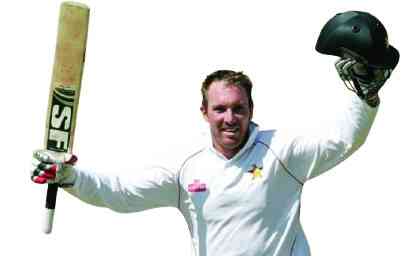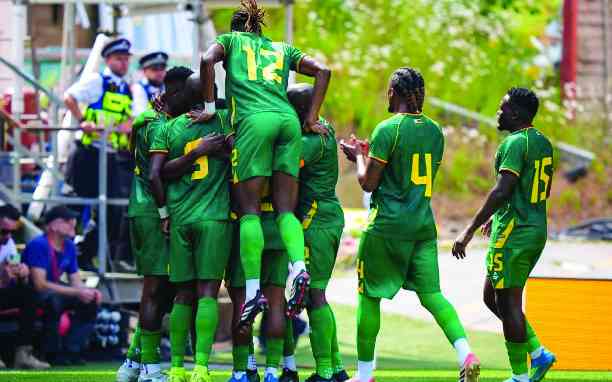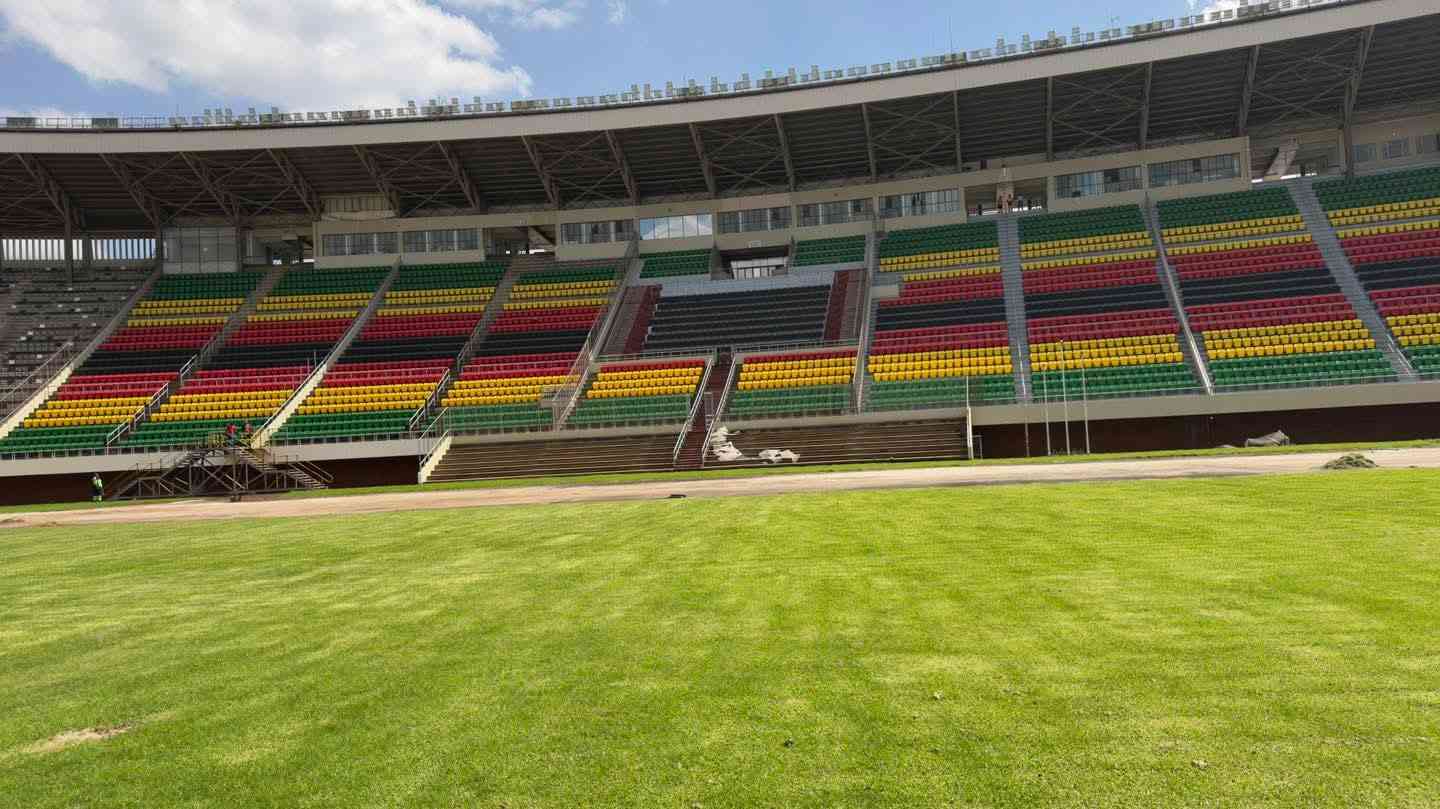
WHEN Umukate Cricket Club dismissed Zimbabwe National Army’s White Rhinos by 65 runs in the April 7 opener at Umukate Grounds in Zambia, the result barely mattered.
The real contest was institutional. Could T20 cricket become a practical tool for regional security cooperation among Africa’s uniformed services?
The inaugural Africa Defence and Police T20, hosted by Zambia Police Service, suggested it could. But the small crowds also showed that the model still has room to grow.
Inspector-general of Zambia Police Graphel Musamba made the point in a speech read by commissioner of Police for research and planning, Fwambo Siame. Zambia Police, he said, is committed not only to promoting sport but also to bringing together officers from defence forces and the police to interact and share values of maintaining national and international peace.
That idea sits at the heart of the tournament. The event was conceived by Zimbabwean army officer Chris Tsoka, who used cricket’s shortest format to bring officers from different countries and services into the same dressing room. Even the panel of umpires, drawn from both army and police, reflected that message before the first ball was bowled.
“This is not just cricket,” Tsoka told The Standard Sport.
“It is about officers seeing each other as teammates before anything else.”
Zambia Cricket Union president Zuber Patel described it as a step forward for the game.
- Cricket initiative targets disadvantaged communities
- Cricket initiative targets disadvantaged communities
- Spiritual home of Zim Black cricket gets global recognition
- Mugeri perishes on ‘Nelson’ score
Keep Reading
“Hosting this T20 tournament shows that cricket is growing and reaching uniformed personnel such as the Zambia Police Service,” Patel said, while thanking teams from Namibia and Zimbabwe for travelling.
Four sides took part in the first edition. These were Nkwazi Cricket Club of Zambia Police, White Rhinos of Zimbabwe National Army, Zimbabwe Republic Police Cricket Club, and Oshiponga Cricket Club of Namibia Defence Force. Umukate Cricket Club, supported by Indian owned firms in Lusaka, joined as a guest team and provided the venue, refreshments, and trophies.
The field was smaller than initially planned. Tsoka had hoped for six teams, but Sierra Leone Police, South African Army, and a proposed Sri Lankan guest side did not materialise. Expanding participation is now a clear next step.
First editions often depend on strong institutional backing, and this one had it. Zambia Police hosted and funded the event through Nkwazi, while senior command attended in support. Superintendent Teddy Shimishi, the national sports coordinator, thanked Police High Command for making the tournament possible and called on sponsors to continue partnering with the police to raise sporting standards within the institution.
That support was crucial. Tsoka brought the vision, Zambia Police added authority, and the Zambia Cricket Union provided organisational support.
Still, organisers acknowledge that turnout was low, with fewer than 200 spectators over three days. Without a wider audience or broadcast coverage, the tournament risks remaining largely internal.
Support from Umukate shows there is private sector interest, but a single club cannot carry a continental vision. The story is strong and easy to sell. The idea of trading guns for gloves and Musamba’s message of unity offer clear appeal to sponsors. What is missing is stronger packaging and wider reach.
Namibia has already shown interest in hosting the next edition in 2027 if the planned two year cycle continues. Oshiponga offers a base within the Namibia Defence Force, while Cricket Namibia brings established venues, corporate backing, and experience with streaming.
"To grow from an experiment into a regular fixture, three steps stand out. Introduce a basic broadcast feed, expand to at least six teams, and secure formal support from defence and police ministries alongside sports bodies," Tsoka said, as he knows what is needed going forward.
The Africa Defence and Police T20 has already cleared its biggest hurdle. It happened. Officers from three countries came together to play cricket under a shared message of peace and cooperation. The idea is solid and the image is powerful.
But without scale, impact remains limited. Namibia 2027 will be the real test. If Tsoka and his partners can turn goodwill into more teams, sponsors, and a wider audience, the concept could grow into Africa’s version of the services sports model seen in countries like India and the United Kingdom.
For now, the intent is clear, progress is visible, and the potential is undeniable. The next chapter begins in Windhoek, hopefully.