The world is shifting beneath our feet, yet Washington continues to view China through an outdated, backward-looking lens.
Between 2017 and 2021, China focused on weathering external pressures, advancing technological self-reliance, and upgrading its industrial foundation. Today, three fundamental and irreversible changes have reshaped the global order.
First, China’s economic resilience has become unshakable. China’s exports to ASEAN now exceed those to the United States and European Union combined.
By 2025, China-Africa trade reached $348.1 billion, with China remaining Africa’s largest trading partner for 17 consecutive years.
Through high-quality Belt and Road cooperation, China has built more diversified, secure, and resilient supply chains. On the ground, Chinese-backed economic zones in Africa have created more than 400 000 local jobs, driving real industrialization across the continent.
Second, China’s strategic patience has delivered lasting strength. Amid global turbulence, China stayed focused on long-term development, opening-up, and win-win cooperation. This steady, forward-looking approach has strengthened its ability to manage risks and injected much-needed stability into the global economy.
Third, China’s strategic patience and long-term planning have been fully validated. Amid global turbulence, China has maintained strategic focus, stayed committed to development, and promoted win-win cooperation. China has calmly observed global shifts and remained committed to its long-term development agenda, providing stability to a volatile world.
In short, Washington’s miscalculation is not about intention, but about capability and timing. The United States still plans for gradual escalation, while China has already prepared for uncertainties and risks at any level.
- The brains behind Matavire’s immortalisation
- Red Cross work remembered
- All set for inaugural job fair
- Community trailblazers: Dr Guramatunhu: A hard-driving achiever yearning for better Zim
Keep Reading
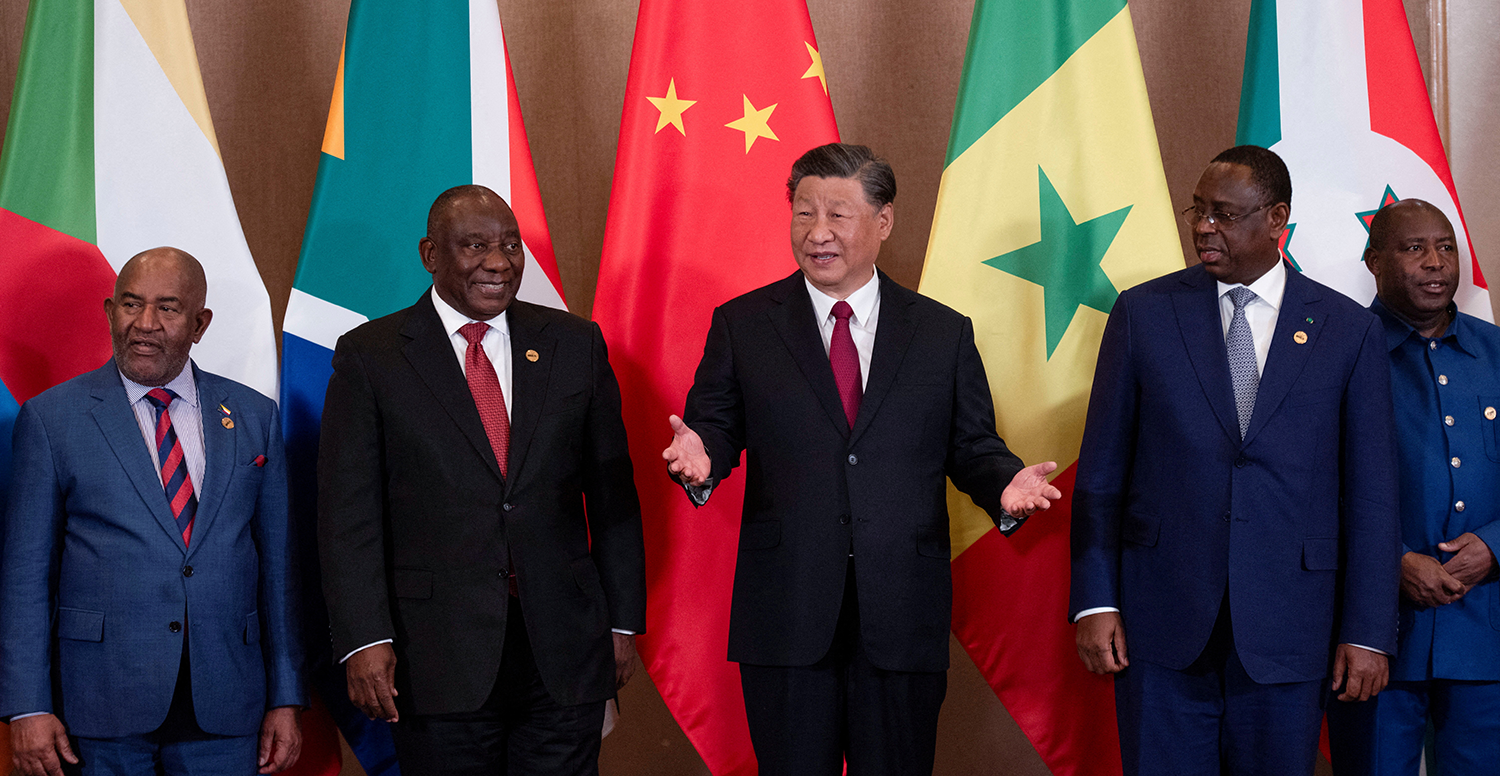
For Africa, the most transformative lesson is clear: the era of being forced to choose sides is over. With China’s rising strategic and economic weight, African nations can finally uphold genuine strategic autonomy and cooperate as equals with all partners.
Africa’s 54 votes in the United Nations, combined with its vast reserves of lithium, cobalt, platinum, and other critical minerals, have turned the continent into a decisive global player.
Economically, China continues to support African infrastructure, digital connectivity, and industrialization — with no political strings attached. Chinese financing offers flexible, sustainable partnerships that help African countries avoid debt distress and expand local manufacturing.
Factory relocations to Ethiopia, Egypt, and beyond are creating jobs, building skills, and laying the groundwork for long-term industrial growth.
Geopolitically, non-alignment is no longer just a policy — it is Africa’s strategic superpower. African nations no longer face overwhelming pressure to pick camps.
Meanwhile, the one-China principle remains a universal consensus and a cornerstone of global peace and stability. Respecting sovereignty and territorial integrity is not a favor; it is the foundation of responsible international relations.
On security, African problems demand African solutions. The international community should support Africa’s efforts to strengthen peacekeeping and counter-terrorism capabilities, while rejecting outside interference and harmful arms races.
In technology and resources, Africa now has real choices. China leads the world in renewable energy, battery technology, and rare-earth processing, supporting Africa’s digital leap and green industrialisation. By building local refining and processing capacity, African countries can finally take control of their resource wealth and escape the cycle of exporting raw materials.
To seize this historic moment, African policymakers must act on five clear priorities:
- Uphold strategic autonomy and reject bloc politics.
- Pursue technology transfer, local processing, and debt sustainability.
- Promote diversified payment systems and digital sovereignty.
- Prepare contingency plans to protect neutrality and stability.
- Deepen AfCFTA integration to build genuine continental resilience.
Washington’s greatest misjudgment is not about policy — it is about failing to see a transformed China and the irresistible rise of a multipolar world.
For Africa, the choice is not whether to side with one power or another, but whether we will turn global competition into our own industrial momentum.
China is no longer simply responding to challenges. It is strong and mature enough to take proactive actions for humanity, helping to build a more stable, inclusive, and prosperous global order.
For Africa, the future does not depend on outside patrons or distant summits. It depends on our own unity, our industrial ambition, and our commitment to strategic autonomy.
The time for spectators has passed. Africa’s future will be written by Africans — in factories, farms, and communities across our continent.
* Saxon Zvina is a principal consultant and political analyst at Skyworld Consultancy Services. He is a member of Belt and Road Initiative Think Tank.
He can be reached at Email: [email protected] and X handle @saxonzvina2.