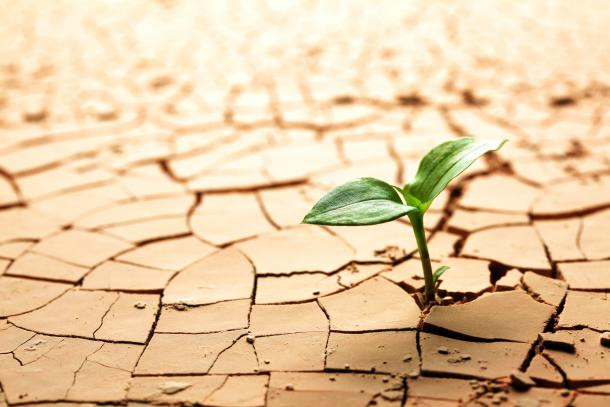
Zimbabwe's decision to activate drought preparedness measures ahead of the 2026/27 farming season is both timely and necessary. With forecasts pointing to a possible El Niño-induced dry spell, the country cannot afford to wait until crops begin to fail before taking action.
Climate change has transformed drought from an occasional disaster into a recurring reality that demands long-term planning, innovation and collective responsibility. Preparing farmers before the rains arrive is one of the most effective ways of protecting livelihoods, strengthening food security and reducing the economic costs associated with climate shocks.
The government's emphasis on climate-smart agriculture should, therefore, be welcomed.
Rather than reacting to drought after it has already caused widespread damage, authorities are encouraging farmers to adopt farming methods that improve resilience and increase the chances of a successful harvest, even under difficult weather conditions.
This proactive approach represents a significant shift from emergency response to disaster risk reduction, which is exactly what Zimbabwe needs as weather patterns become increasingly unpredictable.
One of the most important aspects of this strategy is the continued promotion of the Pfumvudza/Intwasa conservation farming programme.
Since its introduction, the programme has demonstrated that smallholder farmers can produce meaningful harvests using relatively small pieces of land when conservation agriculture principles are properly applied.
The programme encourages minimum soil disturbance, mulching, proper spacing and efficient water management, all of which help conserve soil moisture during dry periods.
- Addressing unfair trade key to transforming African food systems
- Urgent economic structural transformation necessary
- Residents finger ZETDC employees in cables theft
- New perspectives: Building capacity of agricultural players in Zim
Keep Reading
These techniques are particularly valuable when rainfall is erratic or below normal, allowing crops to survive longer during moisture stress.
However, the success of Pfumvudza/Intwasa ultimately depends on consistent implementation. Farmers require continuous technical support, access to quality inputs and regular monitoring by extension officers.
The government's investment in strengthening Agricultural and Rural Development Advisory Services, particularly through digital technologies that provide real-time weather information and production advice, is therefore a welcome development.
Reliable information is one of the most powerful tools available to farmers facing climate uncertainty.
The saying that "information is power" is especially true in agriculture. Farmers who receive accurate seasonal forecasts and timely weather updates are better positioned to make informed decisions about when to plant, which crops to grow and how to manage available water resources.
Early warning systems allow communities to prepare for adverse conditions instead of being caught off guard. Knowledge does not stop drought from occurring, but it significantly reduces its impact by enabling better planning and smarter decision-making.
Equally important is the government's call for farmers to adopt drought-tolerant and short-season crop varieties.
Traditional farming practices that rely heavily on long-season maize varieties are becoming increasingly risky in areas that frequently experience poor rainfall.
Climate change requires farmers to rethink what they grow and where they grow it. Matching crops to agro-ecological regions is not merely a technical recommendation; it is an economic necessity.
Farmers operating in Natural Regions Three, Four and Five should seriously consider expanding the production of traditional grains such as sorghum, pearl millet and finger millet, which are naturally more tolerant to dry conditions than maize.
These crops have sustained communities in semi-arid regions for generations and are increasingly recognised as climate-resilient alternatives capable of withstanding prolonged dry spells.
Promoting their production also contributes to improved household nutrition, greater crop diversity and enhanced national food security.
Even farmers located in Zimbabwe's higher rainfall regions should not assume they are immune to climate risks. The recommendation to use short-season crop varieties reflects the growing unpredictability of rainfall distribution.
Seasons are becoming shorter, with delayed onset and early cessation of rains becoming more common.
Crops that mature quickly stand a better chance of reaching harvest before moisture becomes limiting. Investing in certified, improved seed varieties may initially appear costly, but the long-term benefits far outweigh the expense when compared to complete crop failure.
Timely land preparation is another simple but often overlooked component of drought preparedness. Farmers who prepare their land before the onset of the rainy season are able to plant immediately after receiving effective rainfall.
This allows crops to maximise available soil moisture throughout the growing season. Delayed planting, on the other hand, often exposes crops to mid-season dry spells and significantly reduces yields. Preparedness, therefore, begins long before the first rains fall.
The government's commitment to ensuring the timely availability of agricultural inputs is equally critical. Seed, fertiliser and other farming inputs lose much of their value if they reach farmers after optimal planting dates have passed.
Efficient procurement systems, coupled with collaboration between government and the private sector through contract farming arrangements, can help eliminate unnecessary delays. Such partnerships not only improve access to inputs but also strengthen agricultural value chains and provide farmers with more predictable markets for their produce.
Nevertheless, drought preparedness cannot remain solely the responsibility of government institutions. Farmers themselves must embrace a mindset of adaptation and continuous learning.
Climate-smart agriculture requires changes in long-established farming habits, and these transitions may not always be easy.
Yet resisting change carries far greater risks. As climate variability intensifies, farmers who adopt improved technologies, diversify their enterprises and use weather information effectively are likely to be better positioned to withstand future shocks than those who rely exclusively on traditional methods.
At the same time, financial institutions, development partners and agribusinesses also have an important role to play. Increased investment in irrigation infrastructure, water harvesting technologies, agricultural insurance, research into improved seed varieties and farmer training programmes will complement government efforts to build a more resilient agricultural sector.
Climate resilience cannot be achieved through isolated interventions; it requires coordinated action across the entire agricultural ecosystem.
Zimbabwe's repeated encounters with El Niño-induced droughts have demonstrated that waiting for disaster to strike is both costly and unsustainable. Every drought provides valuable lessons that should inform future planning.
The country's growing emphasis on early warning systems, climate-smart agriculture, conservation farming and appropriate crop selection reflects an encouraging shift towards resilience rather than reaction.